
Tuna is a beloved seafood delicacy, cherished for its rich flavor and versatility in various dishes. However, its price can often leave consumers wondering, “Why is tuna so expensive?” This article explores the factors contributing to tuna’s high cost, including its culinary uses, common serving ideas, and a look into sustainable practices that impact its availability.
The increasing popularity of tuna in global cuisine has led to soaring demand. Understanding the reasons behind its price can help consumers make informed choices about their seafood purchases, whether opting for fresh, canned, or frozen varieties.
Why Is Tuna So Expensive?
Tuna’s high price can be attributed to a combination of factors, including its rarity, demand, and the environmental impact of fishing practices. Several specific elements contribute to these costs, and exploring them provides insight into tuna’s value in the culinary world.
1. Species Rarity and Availability
There are several species of tuna, with the most commercially important being bluefin, yellowfin, and albacore. Bluefin tuna, in particular, commands the highest prices due to its status as a delicacy, especially in sushi restaurants. Here’s how different species rank:
- Bluefin Tuna: Known for its rich flavor and high fat content, bluefin tuna can fetch thousands of dollars at auction, particularly in Japan.
- Yellowfin Tuna: While more abundant than bluefin, yellowfin is still valued for its taste and versatility, leading to higher costs than other types.
- Albacore Tuna: The least expensive of the three, but still more costly than other fish varieties due to its popularity and flavor.
2. Fishing Regulations and Sustainability
The tuna population has faced significant declines due to overfishing, especially for bluefin species. In response, various international regulations have been established to ensure sustainable fishing practices. These regulations often restrict catch limits and require fishermen to use specific methods, which can increase operational costs.
The sustainability movement has also encouraged seafood suppliers to obtain certifications, such as those from the Marine Stewardship Council (MSC). Tuna that meets these standards may be more expensive due to the rigorous compliance costs involved in sustainable fishing.
3. Environmental Impact and Climate Change
Climate change affects fish populations globally, including tuna. Rising ocean temperatures and acidification can drastically impact tuna’s breeding, feeding, and migration patterns. As tuna becomes harder to source, prices may spike, reflecting the supply challenges that arise from environmental changes.
4. Global Demand and Sushi Culture
The global demand for sushi and sashimi has soared in recent years, particularly in Western countries. Tuna, especially the bluefin variety, has become a sought-after ingredient in high-end restaurants. This growing trend has driven prices higher, even for lower-end tuna products used in canned goods.
The rise of sushi culture, combined with an increasing interest in seafood among consumers, perpetuates the high demand for tuna and contributes to escalating prices.
5. Processing and Handling Costs
After being caught, tuna requires immediate processing to ensure freshness. This often involves rapid freezing, transportation under strict temperature controls, and careful handling to maintain quality. Each step in this chain incurs additional costs that ultimately affect the retail price of tuna. Additionally, the more specialized the handling (such as sushi-grade processing), the higher the price may be.
Culinary Uses of Tuna
Tuna’s versatility makes it a popular choice in various culinary applications. Here are some of the most common ways to enjoy tuna:
1. Fresh Tuna Preparations
Fresh tuna is often served in several ways:
- Sashimi: Thinly sliced raw tuna served with soy sauce and wasabi.
- Sushi: Tuna can be used in various sushi rolls or served on rice balls.
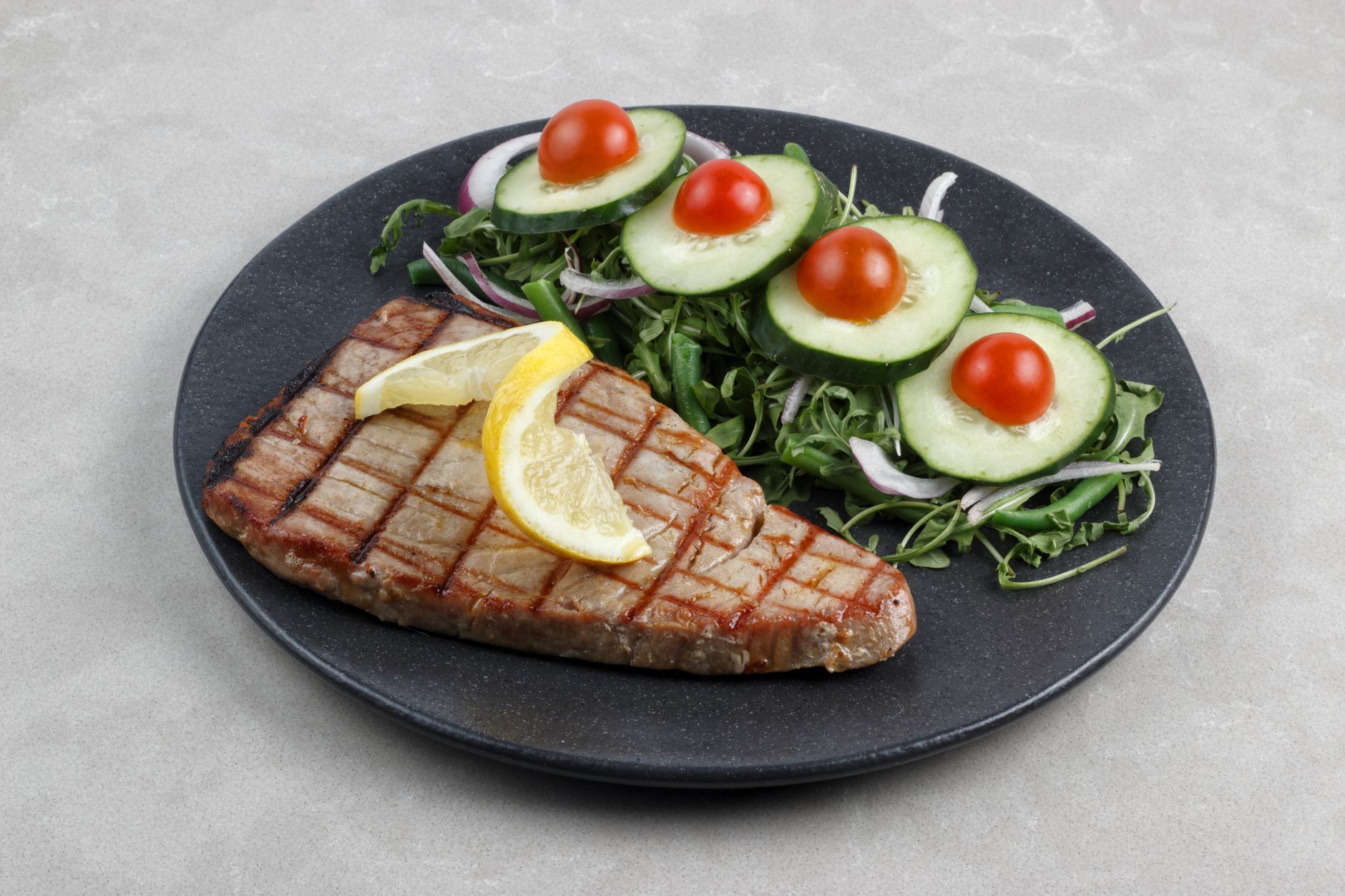
- Grilled or Seared: Tuna steaks can be marinated and quickly grilled or seared for a savory main dish.
2. Canned Tuna Dishes
Canned tuna is a pantry staple that offers convenience and versatility. Common uses include:
- Tuna Salad: A mixture of canned tuna, mayonnaise, celery, and spices, served on sandwiches or crackers.
- Tuna Casserole: A comforting baked dish often combined with pasta and creamy sauce.
- Tuna Wraps: Canned tuna can be wrapped in tortillas with vegetables for a quick meal.
3. Tuna as an Ingredient in Global Cuisines
Tuna is used in various cuisines around the world, including:
- Italian: Tuna is an essential ingredient in dishes like pasta primavera or insalata di tonno.
- Spanish: In Spain, tuna is often found in tapas and mixed with ingredients like tomatoes and olives.
- Asian: Besides sushi, it may be included in poke bowls or as a filling for rice dishes in Hawaiian cuisine.
Serving Ideas for Tuna
When it comes to serving tuna, the options are endless. Here are some serving ideas to inspire your next meal:
1. Sushi and Sashimi Platter
Create an impressive sushi platter with a variety of fish, rice, and condiments. Pair tuna sashimi with pickled ginger, wasabi, and soy sauce for dipping.
2. Grilled Tuna Steaks
Marinate tuna steaks in a blend of olive oil, garlic, and herbs before grilling to enhance their flavor. Serve them with a side of grilled vegetables or a fresh salad.
3. Tuna Niçoise Salad
This classic French salad features seared tuna, boiled eggs, green beans, and olives, drizzled with a tangy vinaigrette. It’s both hearty and refreshing.
4. Tuna Poke Bowl
Incorporate cubed, sashimi-grade tuna into a poke bowl with quinoa or rice, fresh vegetables, avocado, and a sprinkle of sesame seeds for a nutritious meal.
5. Tuna Frittata
Make a quick and filling frittata by combining canned tuna, eggs, and vegetables of your choice. This dish is perfect for brunch or as a light dinner.
Practical Tips for Buying Tuna
When purchasing tuna, there are several factors to consider to ensure you get the best quality for your money:
1. Fresh vs. Canned Tuna
Fresh tuna is typically more expensive than canned options, but the choice depends on your recipe and personal preference. Fresh tuna works well for sashimi and grilled dishes, while canned tuna is great for salads and casseroles.
2. Check for Sustainability
Look for certifications such as the Marine Stewardship Council (MSC) label to ensure you’re purchasing sustainably sourced tuna. This helps support eco-friendly fishing practices while enjoying your seafood.
3. Know Your Cuts
Tuna cuts vary widely in flavor and texture. Depending on your dish, opt for the appropriate cut:
- Bluefin: Best for high-end sushi and sashimi due to its fat content.
- Yellowfin: Common in sushi and great for grilling.
- Albacore: Often used in canned formats; it has a mild flavor that suits many recipes.
4. Storage Tips
To keep tuna fresh, store it in the coldest part of your refrigerator and consume it within a couple of days of purchase. For canned tuna, ensure it is stored in a cool, dry place, and seal it tightly once opened.
Concluding Thoughts on Tuna’s Cost
Understanding why tuna is so expensive helps consumers appreciate the factors behind its pricing, from the fish’s rarity and demand to its culinary versatility. While it can be a splurge, it also presents many delicious options for incorporating this nutritious seafood into your diet.
Next time you find yourself at the seafood counter or a sushi restaurant, remember the stories that come with each piece of tuna, and consider opting for sustainable options whenever possible. Enjoy exploring this magnificent fish through various recipes and dishes!
For more on cooking tuna, check out our seared ahi tuna recipe or try making tuna burgers for a delightful meal.