
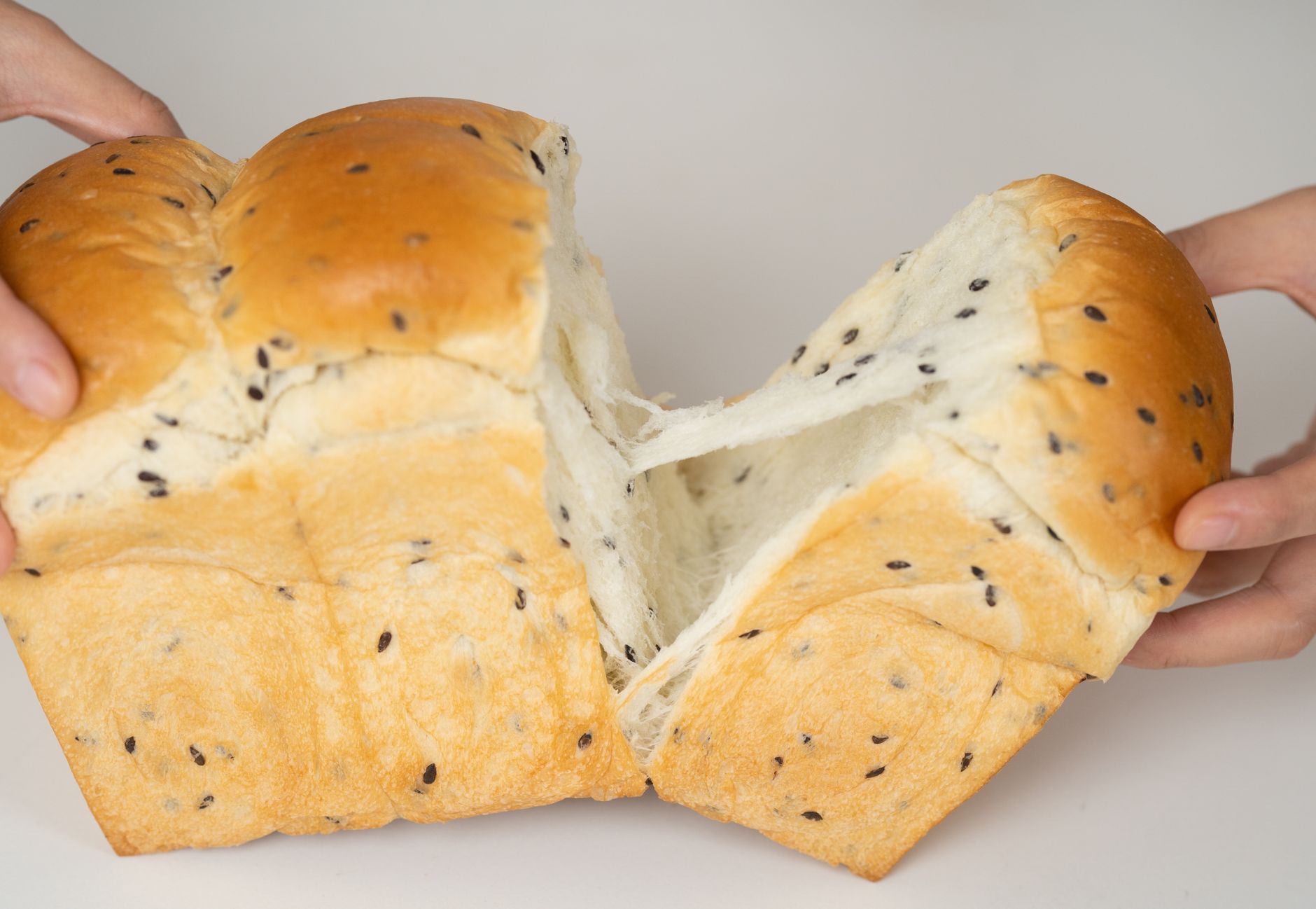
Monkey bread is a delightful, pull-apart pastry that has captured the hearts and taste buds of many. Its unique flavor and texture, combined with the fun of tearing off pieces by hand, make it a beloved treat, often served at breakfast or as a dessert. But have you ever wondered how it got its playful name? In this article, we will explore the origins of monkey bread, its historical context, and its evolution through time.
Understanding why it’s called monkey bread involves delving into both its culinary lineage and the whimsical nature of its presentation. From its beginnings to its modern-day variations, we aim to provide a comprehensive look at this charming dish.
Why Is It Called Monkey Bread?
The name “monkey bread” is often attributed to the way individuals eat it. Typically, diners use their fingers to pull off pieces of the bread, reminiscent of monkeys picking at food. The term may also originate from the fact that this dish is fun, playful, and a bit messy—much like how we imagine monkeys interacting with their surroundings.
Beyond the whimsical name, monkey bread has roots that date back to various cultures and baking traditions. Let’s explore the history and evolution that has shaped this dish into what we know today.
The Origins of Monkey Bread
While the precise origin of monkey bread is difficult to pinpoint, many food historians believe it has connections to several types of sweet, tear-apart breads. The dish can trace its ancestry back to European pastries like “kardinalschnitten” and “brioche,” which share similar textures and characteristics.
Add in influences from American regional cuisines, and you begin to see how monkey bread evolved into its current form. It’s likely that the combination of these traditions and available ingredients in the United States led to the creation of the fluffy, sweet bread we enjoy today.
The Historical Context
In the early 20th century, recipes for monkey bread started to appear in American cookbooks. Its popularity surged in the 1960s when it became a frequent feature at potlucks and family gatherings. By then, it had solidified itself as a comfort food that could be easily shared.
Additionally, monkey bread’s rise can be attributed to the increasing availability of pre-made dough, especially refrigerated biscuit dough. This convenience made it easy for home bakers to whip up their monkey bread in a matter of minutes, leading to its status as a go-to dish for brunches and parties.
Ingredients and Variations of Monkey Bread
At its core, monkey bread typically consists of simple ingredients that contribute to its delightful flavor and texture. The classic combination usually includes:
- Refrigerated biscuit dough or homemade dough
- Granulated sugar
- Ground cinnamon
- Butter
- Brown sugar
- Optional toppings such as nuts, chocolate, or fruit
While the traditional recipe remains a favorite, monkey bread is highly customizable. Here are a few popular variations:
Cinnamon Monkey Bread
This is perhaps the most common type, combining the familiar flavors of cinnamon and sugar with warm, buttery biscuit pieces.
Caramel Monkey Bread
In this version, caramel sauce is drizzled over the biscuit pieces before baking, adding a rich, sweet flavor that pairs wonderfully with the cinnamon. You can find a popular caramel rolls recipe that can easily be adapted to make caramel monkey bread.
Fruit Monkey Bread
For a fresher twist, bakers can incorporate fruits like apples or berries into the dough or as toppings. This adds bursts of flavor and moisture, making it a fantastic option for summer gatherings.
Chocolate Monkey Bread
Chocolate lovers can add chocolate chips or hazelnut spread between the layers of dough to create a rich, indulgent dessert. Sure to impress at any gathering!
How to Make Monkey Bread: A Step-by-Step Guide
Now that we’ve explored the history and variations of monkey bread, let’s delve into how you can make this delightful treat at home. Below is a basic recipe for classic cinnamon monkey bread, along with tips to ensure success.
Recipe Overview
This recipe yields approximately 10 servings and takes about 30 minutes of preparation time followed by 30 minutes of baking time. The total time is about 1 hour.
Ingredients
- 3 cans (16.3 ounces each) refrigerated biscuit dough
- 1 cup granulated sugar
- 2 teaspoons ground cinnamon
- 1/2 cup unsalted butter, melted
- 1/2 cup packed brown sugar
- Optional: 1 cup chopped nuts (pecans or walnuts)
Essential Equipment
- Oven
- Bundt pan
- Mixing bowls
- Whisk
- Measuring cups and spoons
- Pastry brush (optional)
Method
- Preheat your oven to 350°F (175°C).
- In a mixing bowl, combine granulated sugar and cinnamon.
- Open the biscuit dough and cut each biscuit into quarters.
- Roll the biscuit pieces in the cinnamon-sugar mixture until fully coated.
- (Optional) If using nuts, add a layer of chopped nuts in between layers of biscuit pieces as you stack them in the Bundt pan.
- In another bowl, mix melted butter and brown sugar until combined.
- Pour half of this mixture over the coated biscuit dough in the Bundt pan.
- Continue layering until all biscuit pieces are used, finishing with the remaining butter and brown sugar mixture on top.
- Bake in the preheated oven for 30-35 minutes until golden brown.
- Cool for about 10 minutes, then invert the Bundt pan onto a serving plate to release the monkey bread.
- Serve warm, breaking off pieces to enjoy!
Common Mistakes and Troubleshooting
Like any baking endeavor, creating perfect monkey bread may pose challenges. Here are some common pitfalls and how to avoid them:
Overbaking
Monitoring the baking time is crucial. If overbaked, the bread can turn dry. Aim for a golden-brown color and check for doneness by inserting a toothpick into the center; it should come out clean.
Uneven Cooking
To prevent uneven cooking, ensure all biscuit pieces are uniformly sized when cutting. This promotes even baking throughout.
Too Sticky
A sticky outcome can be caused by excess moisture or not enough flour if making the dough from scratch. Ensure to follow the measurements accurately and allow the dough to rest if needed.
Serving Suggestions and Storage
Monkey bread is best enjoyed fresh out of the oven while still warm. It can be served plain or with a drizzle of icing, caramel, or a sprinkle of powdered sugar for added sweetness. Pair it with coffee or a warm beverage for a delightful breakfast or brunch experience.
For storage, place any leftovers in an airtight container at room temperature. Monkey bread is best consumed within 1-2 days, although it can be gently reheated in the microwave. Remember, refrigerating may cause it to dry out.
Make-Ahead Tips
If you plan to make monkey bread for an event or gathering, consider preparing it ahead of time. You can assemble the biscuit pieces in the Bundt pan, cover them tightly with foil or plastic wrap, and refrigerate overnight. When ready to bake, allow the pan to sit at room temperature for about 30 minutes before baking to ensure even cooking.
Conclusion
Monkey bread is not only a fun and delectable dish; it also has an intriguing backstory linked to various baking traditions and playful eating habits. Whether you prefer the classic cinnamon version or some creative variations incorporating chocolate or fruits, this pull-apart bread continues to bring joy to tables across the globe.
Try making your own monkey bread following the recipe above, and experience the fun of sharing and enjoying this delightful treat. For those looking to expand their baking repertoire, consider checking out a delicious Dollywood cinnamon bread recipe or learn about caramel rolls for more varieties that will impress family and friends.