
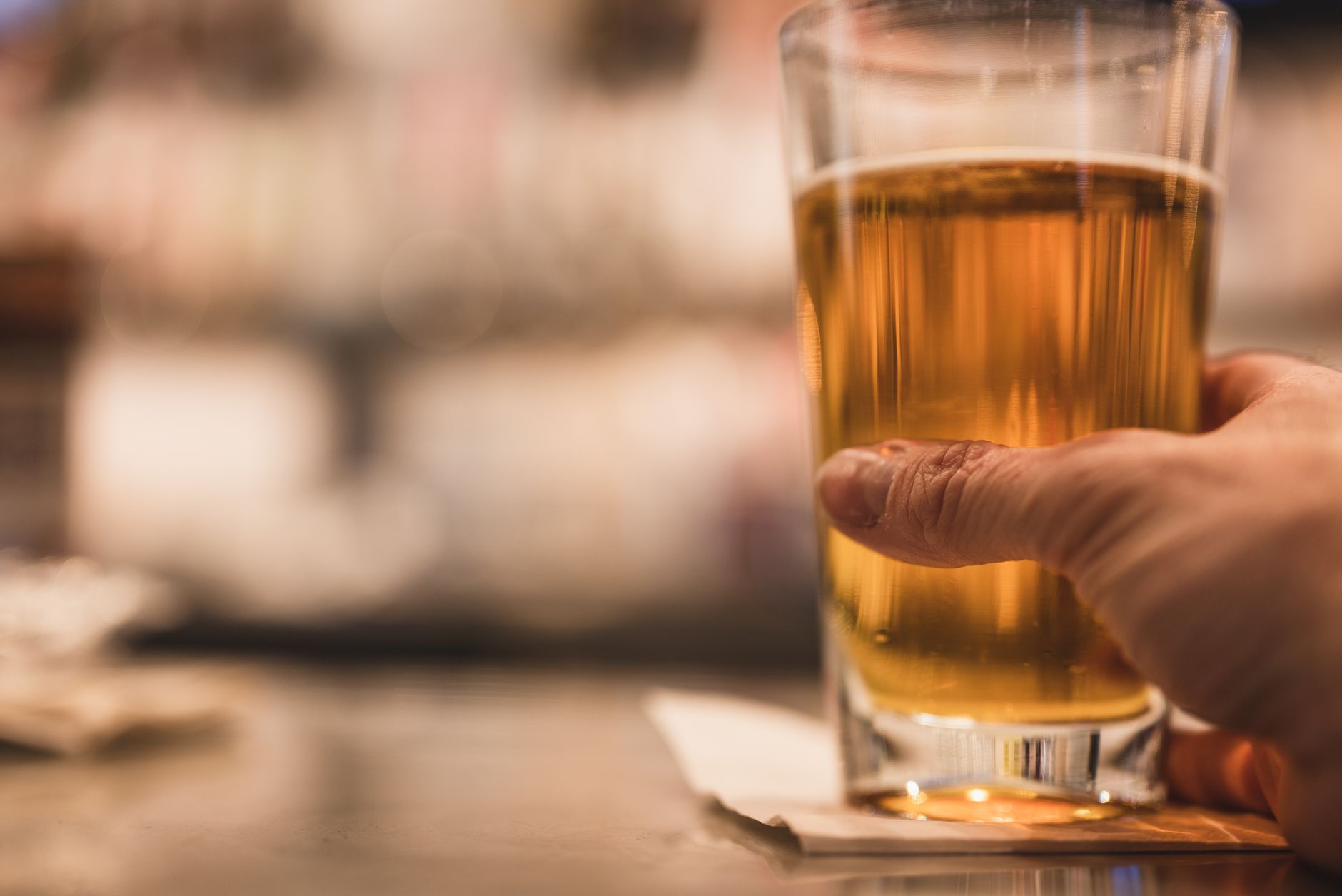
For many beer drinkers, a night out sips quickly into a fraught dance between cheers and restroom breaks. If you’ve ever pondered, “Why does beer make you pee so much?” you’re not alone. Understanding the science behind beer’s diuretic effects can enhance your drinking experience and help you make informed choices.
This article explores the reasons beer has a reputation for making you visit the restroom frequently, what happens to your body when you consume brewskis, and even some best practices for enjoying your favorite beverages without feeling like you’re always on the run to the bathroom.
Why Does Beer Make You Pee So Much?
Beer is often considered a diuretic drink, meaning it increases urine production. Several factors contribute to this, including the alcohol content, the hops, and the overall liquid volume consumed. Understanding these elements can help clarify why beer leads to more frequent trips to the restroom.
The Role of Alcohol in Beer
Alcohol itself is a well-known diuretic. When you consume alcoholic beverages, ethanol inhibits the release of the hormone vasopressin, also known as antidiuretic hormone (ADH). ADH typically helps your body retain water by signaling your kidneys to absorb more water; when inhibited, your kidneys produce more urine.
How Ethanol Affects the Body
When alcohol enters your bloodstream, it can disrupt the normal functioning of kidneys and lead to increased urine output. The concentration of alcohol in beer varies widely, but even low-ABV beers can contribute to the urge to urinate.
The Impact of Beer Ingredients
Beer contains multiple ingredients that can also cause you to pee more frequently. Apart from alcohol, hops and carbon dioxide play significant roles in the beverage’s diuretic effects.
Understanding Hops
Hops are a key ingredient in beer that adds bitterness and aroma but also has diuretic properties. The natural compounds in hops can increase urine production, further contributing to the need for restroom breaks after consuming beer.
Carbonation and Its Effects
Many beers are carbonated, and this added gas can create a feeling of fullness in the stomach. The physical urge to relieve oneself can be heightened by carbonation, leading to an increased need to urinate.
The Volume Factor
Another significant factor is the sheer volume of beer consumed. A typical beer may range from 12 to 20 ounces, which means you are also drinking a considerable amount of liquid. The more liquid you take in, the more urine your body will likely produce, regardless of the beverage.
How Much Beer is Too Much?
Although every person is different, consuming just a few pints can lead to increased urination. Factors like individual tolerance, body weight, and hydration levels can all influence your frequency of restroom visits. Drinking water between beers can help mitigate this effect and keep you hydrated.
Hydration and Beer Consumption
Staying hydrated can help manage the diuretic effects of beer. Drinking water alongside your beer not only aids in hydration but can also dilute the effects of alcohol. This approach allows you to enjoy your favorite brews without feeling the intense need to rush to the restroom.
Tips for Enjoying Beer with Less Urgency
To enjoy beer while minimizing frequent bathroom breaks, consider implementing the following tips:
- Choose Lower-ABV Beers: Opt for craft beers or lighter lagers that typically have lower alcohol content, reducing the overall diuretic effects.
- Drink in Moderation: Limit the number of beers you consume at one time. Pace yourself to give your body time to adjust.
- Stay Hydrated: Drink water or non-alcoholic beverages between beers to dilute alcohol levels in your system.
- Avoid Carbonated Beverages: If you find that carbonation worsens your urgency, consider smoother, less fizzy beer options.
- Mindful Consumption: Pay attention to your body’s signals and adjust your drinking pace accordingly.
Common Misconceptions About Beer and Urination
Many myths and misconceptions surround beer and its relationship to urination. Here are a few common misunderstandings:
Myth: Only Beer Makes You Pee More
While beer is notorious for its diuretic effects, alcoholic beverages like wine and spirits can also lead to increased urination due to their alcohol content. It’s not just limited to beer, but rather all alcoholic drinks can have similar effects.
Myth: Darker Beers Make You Pee Less
Some believe that darker beers have a lower diuretic factor. However, the color of the beer does not determine its diuretic effects; it’s still the alcohol and other ingredients that contribute to increased urination.
Health Insights: Moderation is Key
While enjoying beer in moderation can be part of a balanced lifestyle, excessive consumption can lead to dehydration and other health issues. Responsible drinking is essential, not only for keeping your bladder in check but also for maintaining overall health.
Recognizing Dehydration
Signs of dehydration can include dark urine, dry mouth, fatigue, and confusion. If you’re frequently consuming alcohol, it’s crucial to keep an eye on your hydration levels and respond accordingly.
Frequently Asked Questions About Beer and Urination
Does beer cause more urination than water?
Yes, due to the alcohol in beer, it typically leads to more frequent urination than water. While water aids hydration, alcohol’s diuretic effect can counteract that benefit.
Are there types of beer that make you pee less?
Generally, lower-ABV and less carbonated beers may have a milder diuretic effect. Choosing these types can allow for enjoyable consumption with fewer restroom trips.
Can I drink beer and stay hydrated?
Yes, by drinking water in between beer servings and limiting the overall number of beers, you can maintain hydration levels and reduce the urge to urinate.
Conclusion
Beer will likely continue to be a favorite social beverage, but knowing why it makes you pee often can provide a better, more informed drinking experience. Understanding the impact of alcohol, ingredients, and hydration can equip you to enjoy beer responsibly and with greater anticipation of the fun it brings.
For those interested in expanding their palates, explore related recipes and tips such as a beer can chicken recipe that pairs well with your favorite beverage, or try your hand at making a vodka cranberry recipe for an alternative drink option.