
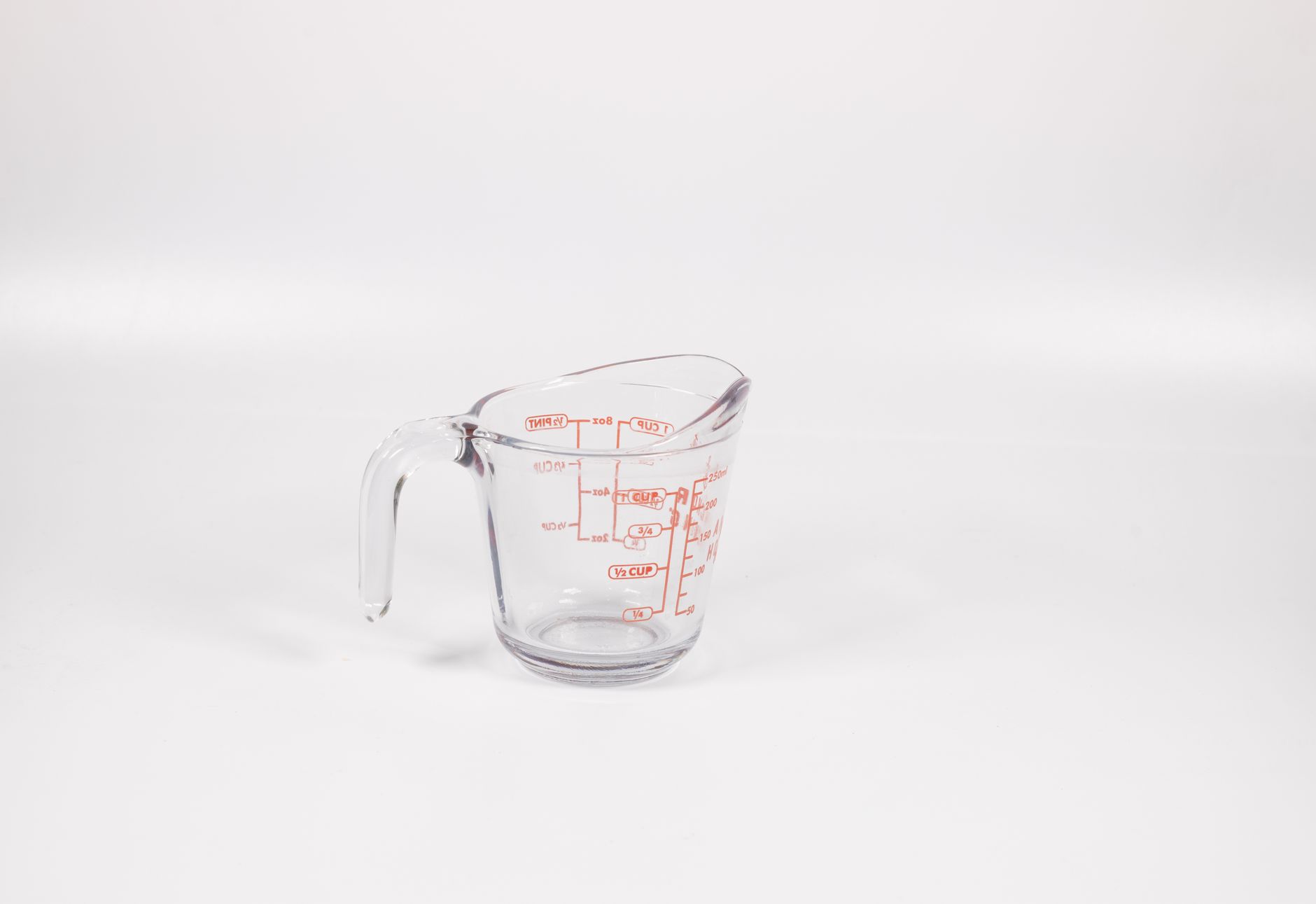
Many home cooks often find themselves faced with the challenge of measuring ingredients accurately. One of the common measurements that can cause confusion is between pints and cups. Understanding how many cups are in a pint is essential for following recipes accurately and achieving the best results in the kitchen.
This article will clarify the conversion between pints and cups, explore their uses in cooking and baking, and provide tips for measuring ingredients effectively. Whether you’re whipping up a fresh batch of soup or baking a cake, knowing these conversions will help streamline your cooking process.
Pint Is How Many Cups?
A pint is equal to 2 cups. This means that if a recipe calls for 1 pint of a liquid ingredient, you can use 2 cups instead. Understanding this simple measurement will help you navigate recipes that use pints, particularly in cooking and baking where precision is key.
Kitchen Measurements: Understanding Pints and Cups
Pints and cups are both units of volume used in the culinary world, particularly in the United States and the United Kingdom. While they measure the same type of content, their actual size differs based on the measurement system used:
- US Liquid Pint: 1 US pint = 16 fluid ounces = 2 cups
- UK Liquid Pint: 1 UK pint = 20 fluid ounces = 2.5 cups
Most recipes, especially in the U.S., will refer to pints as the U.S. liquid pint measurement. However, it’s always important to check which pint measurement your recipe references, as this can affect the outcome of your cooking or baking.
Common Uses of Pints and Cups in Cooking
Pints and cups are frequently used to measure liquids such as:
- Water
- Milk
- Broth
- Juice
- Alcohol (spirits, wine, etc.)
They can also be used for solid ingredients that are measured by volume, though it’s often more precise to weigh solid ingredients in grams or ounces. However, in many cases, you will see items such as fruits and vegetables being measured in pints or cups.
Tips for Measuring Ingredients Accurately
Accurate measurements are crucial in cooking and baking. Here are some practical tips to ensure you’re measuring your ingredients correctly:
1. Use the Right Measuring Cup
For dry ingredients, use dry measuring cups, which typically have a flat top that allows for accurate leveling. For liquids, use liquid measuring cups, which usually have a spout for pouring. The design of these cups helps ensure accuracy.
2. Level Dry Ingredients
When measuring ingredients like flour or sugar, always level them off. Use a knife or spatula to scrape across the top of the measuring cup to get an even surface.
3. Measure Liquids at Eye Level
When measuring liquids, place the measuring cup on a flat surface and bend down to eye level with the liquid. This ensures you get an accurate reading from the meniscus (the curved surface of the liquid).
4. Know the Conversion Ratios
When it comes to converting between pints and cups, knowing the basic conversion can save time. Remember, 1 pint = 2 cups. You can also keep a conversion chart handy for quick reference.
Ingredient Conversions: When to Use Pints vs. Cups
Depending on the recipe, you may need to choose between using pints and cups. Here are some common scenarios:
When to Use Pints
Many recipes, especially drinks, soups, or sauces, might call for pints. They are also commonly used in the context of dairy products (like cream) and produce (like berries). For instance:
- 1 pint of heavy cream is often suggested for sauces or whipped cream.
- Berry recipes may call for 1 pint of blueberries or strawberries.
When to Use Cups
Cups are typically used for most baking recipes. They are more convenient for measuring smaller quantities, such as flour, sugar, and dry ingredients:
- Cake and cookie recipes usually specify cups for flour and sugar.
- Brown sugar, for example, is often packed into a cup measurement.
Practical Substitutions: Pints, Cups, and Beyond
Sometimes recipes may call for an ingredient measured in pints but you only have measuring cups. Here are some common substitutions:
- If the recipe calls for 1 pint of milk, use 2 cups.
- If you need pints of broth, remember that 1 pint = 2 cups of broth.
It’s also essential to consider ingredient density. For example, dried ingredients like rice or oats might measure differently, as they may require different volumes than liquids. Always check specific conversions when dealing with solid ingredients.
Common Cooking and Baking Mistakes
Here are some mistakes to avoid when measuring ingredients:
1. Not Understanding Packing
Packing is critical, especially for brown sugar. When a recipe specifies 1 cup of packed brown sugar, ensure to pack the sugar into the cup firmly. If not packed tightly, you might end up using less sugar than required, which can affect sweetness and texture.
2. Misjudging Liquid Amounts
Not leveling correctly when measuring liquids can lead to too much or too little being added to your dish. Always measure at eye level and take care to read the bottom of the meniscus.
3. Confusing Liquid and Dry Measurements
Using a liquid measuring cup for dry ingredients or vice versa can lead to inaccurate measurements. Stick to the appropriate measuring cups for the type of ingredient to ensure the best outcome.
Storage and Reheating Tips
When working with ingredients measured in pints or cups, knowing how to store them properly can extend their shelf life. Here are some tips:
- Liquid Ingredients: Store liquids like milk or broth in airtight containers in the refrigerator. They typically last up to a week after opening.
- Dry Ingredients: Keep dry ingredients like flour and sugar in a cool, dry place in airtight containers to prevent moisture and pests.
- Reheating: When reheating soups or sauces measured in pints, stir frequently to prevent uneven heating. Use a thermometer to ensure they reach a safe temperature.
Understanding Regional Differences in Measurements
In both cooking and baking, it’s critical to understand measurement variations across countries:
- The U.S. uses different measurements than the UK. A UK pint is larger and corresponds to 20 fluid ounces, unlike the U.S. pint.
- When following recipes from different regions, adjust measurements accordingly to ensure consistency.
Conclusion
Understanding the conversion of pints to cups is key for any home cook or baker. Familiarizing yourself with these measurements and the best practices for measuring accurately will enhance your cooking and baking skills. Emphasizing accurate measurements will lead to better, more reliable results in your culinary endeavors.
Now that you’re equipped with the knowledge of pints and cups, consider exploring more cooking tips and ingredient guides to further hone your culinary skills. Check out how many cups of water for 1 cup of rice or learn how much applesauce equals one egg for your baking needs.