
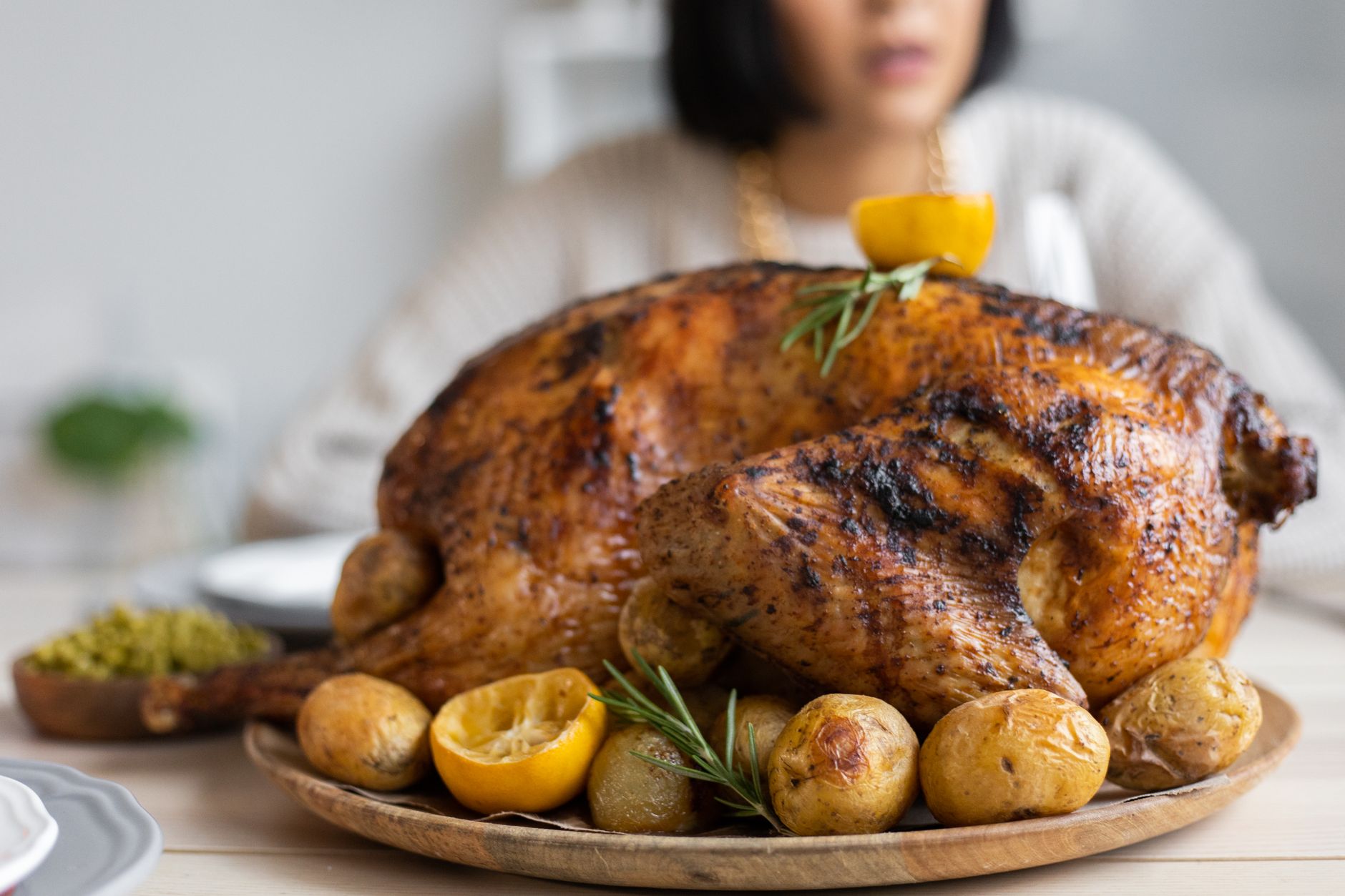
The tradition of eating turkey on Thanksgiving has deep roots in American history and culture. This delightful bird, known for its distinct flavor and festive appeal, has become synonymous with the holiday. But what exactly makes turkey the centerpiece of our Thanksgiving feasts?
In this article, we will explore the historical significance, culinary applications, and the practical reasons why turkey has established itself as the go-to dish for Thanksgiving. We’ll also provide tips on cooking the perfect turkey, seasoning suggestions, and insights into meal planning for your Thanksgiving gathering.
Why Do People Eat Turkey on Thanksgiving?
Turkey became the main dish at Thanksgiving largely because of its size, flavor, and historical significance. With its large size, a single turkey can serve multiple guests, making it an ideal choice for gatherings. Also, turkeys are native to North America, enriching their appeal as a symbol of American tradition.
The Historical Context
To understand why turkey is essential to Thanksgiving, we can trace back to the early 17th century when English Pilgrims settled in the New World. The renowned Plymouth feast in 1621, which is often cited as the first Thanksgiving, included various foods sourced from the land, and likely featured wild fowl as one of those options.
While it is debated whether turkey was present at that first Thanksgiving, historical records show that wild turkey was abundant and actively hunted. By the 19th century, turkey had already established itself as a Thanksgiving staple, in part due to its size and the ability to feed a crowd.
Turkey: A Practical Choice
Turkey’s size is not only symbolic but also practical. A single turkey can provide ample meat for large families or gatherings, helping to minimize the number of dishes needed for the meal. It’s often roasted, but can also be smoked, fried, or even grilled. The versatility of turkey allows home cooks to experiment with flavors and techniques.
The Culinary Appeal of Turkey
Turkey has a unique flavor profile that lends itself to a variety of seasonings and cooking methods. It can be savory, sweet, and is often paired with complementary sides such as stuffing, cranberry sauce, and gravy. Its lean meat is satisfying yet doesn’t overpower, making it a perfect choice for a feast.
Seasoning Your Turkey
Seasoning is an integral part of preparing turkey for Thanksgiving. A good seasoning enhances the natural flavors of the bird. Here are some common seasonings and how they work with turkey:
- Salt: A fundamental seasoning that enhances flavor and moisture.
- Herbs: Rosemary, thyme, and sage pair beautifully with turkey.
- Garlic: Adds depth and a savory kick.
- Spices: Paprika or cayenne add warmth and color.
- Sweeteners: Honey, maple syrup, or brown sugar can add a caramelized crust.
Experimenting with different seasonings can transform a standard turkey into an exciting dish. A simple herb butter under the skin can impart flavor throughout the bird. For more specific seasoning blends, check out our turkey seasoning recipe.
Cooking Techniques for Thanksgiving Turkey
The method you choose to cook your turkey can affect its flavor and texture. Let’s examine some popular cooking techniques.
Roasting
Roasting is the most traditional method for cooking turkey. It involves cooking the turkey in an oven at a high temperature, typically around 325°F (165°C). This method yields a crispy skin and moist meat. To roast a turkey:
- Preheat your oven to 325°F (165°C).
- Remove the giblets and rinse the turkey, patting it dry.
- Season the cavity and outside of the turkey, optionally stuffing it with aromatics.
- Place the turkey in a roasting pan, breast side up, and cover it loosely with aluminum foil.
- Roast for about 13-15 minutes per pound; remove the foil during the last hour to brown the skin.
- Use a meat thermometer to ensure the internal temperature reaches 165°F (75°C) in the breast and 175°F (80°C) in the thigh.
Brining
Brining is a technique that involves soaking the turkey in a saltwater solution before cooking. This method can help to enhance flavor and moisture retention. A basic brine includes:
- 1 cup of kosher salt
- 1 cup of sugar
- 1 gallon of water
- Aromatics (optional): peppercorns, bay leaves, or citrus zest
Brining typically requires several hours to overnight, depending on the size of the turkey. You can find a detailed brining method in our turkey brine recipe for smoking.
Smoking
Smoking is a flavorful alternative to traditional roasting. A smoked turkey absorbs wood flavors, resulting in a unique taste. Choose hardwoods like hickory or apple for smoking. The process involves:
- Preparing the smoker and preheating to 225°F (107°C).
- Seasoning the turkey and placing it on the smoker rack.
- Smoking for approximately 30 minutes per pound.
- Ensuring the internal temperature reaches 165°F (75°C).
Frying
Deep-frying a turkey can yield an incredibly crispy skin and juicy meat. This method requires a large pot and oil, and safety precautions are paramount due to the high temperatures involved. To fry a turkey:
- Heat oil to 350°F (175°C) in a large pot.
- Lower the seasoned turkey slowly into the oil using a frying basket.
- Fry for about 3-4 minutes per pound, monitoring the temperature.
- Rest before serving to allow juices to redistribute.
Side Dishes that Complement Turkey
No Thanksgiving meal is complete without a selection of sides meant to complement the turkey. Classic choices include:
- Stuffing or Dressing: A blend of bread, herbs, and other flavors.
- Cranberry Sauce: A sweet-tart condiment that balances the savory turkey.
- Mashed Potatoes: Creamy and buttery, making them a perfect vessel for turkey gravy.
- Green Bean Casserole: A traditional dish featuring green beans, cream of mushroom soup, and crispy onions.
- Pumpkin Pie: A classic dessert to end the meal on a sweet note.
Meal Planning for Thanksgiving
Efficient meal planning is key to achieving a successful Thanksgiving dinner. Here are some practical tips to streamline your preparations:
- Create a Menu: Plan your main dishes and sides well in advance.
- Prepare Ahead: Many sides, such as cranberry sauce and stuffing, can be made a day or two prior.
- Delegate Responsibilities: Consider asking guests to bring a dish or a dessert.
- Time Management: Develop a cooking schedule that accounts for cooking times and oven space.
Common Mistakes to Avoid
Even experienced cooks can encounter challenges when preparing Thanksgiving turkey. Here are common pitfalls to avoid:
- Underseasoning: Don’t skimp on herbs and spices; turkey benefits from robust seasoning.
- Overcooking: Use a meat thermometer to test for doneness rather than relying on cooking times.
- Not Resting: Let the turkey rest after cooking for at least 20-30 minutes to ensure juicy meat.
- Poor Storage: Store leftovers in airtight containers to maintain freshness.
Storage and Reheating
Proper storage and reheating of turkey leftovers can ensure safety and maintain quality. Follow these guidelines:
- Storage: Refrigerate leftover turkey within two hours of cooking, using airtight containers.
- Reheating: When ready to enjoy leftovers, reheat turkey in the oven at 325°F (165°C) until thoroughly heated.
- Maximize Freshness: Use leftovers within 3-4 days or freeze for longer storage.
Conclusion
The tradition of eating turkey on Thanksgiving is rich with history and driven by practicality. With its versatility, abundance, and cultural significance, turkey remains the centerpiece of a celebration that brings families and friends together. Understanding the qualities that make turkey special allows us to appreciate and enjoy this holiday meal even more.
As you prepare for your next Thanksgiving gathering, consider trying out different seasonings or techniques discussed here. Explore our brining recipe and enhance your turkey’s flavor with our seasoning suggestions for a memorable feast.