
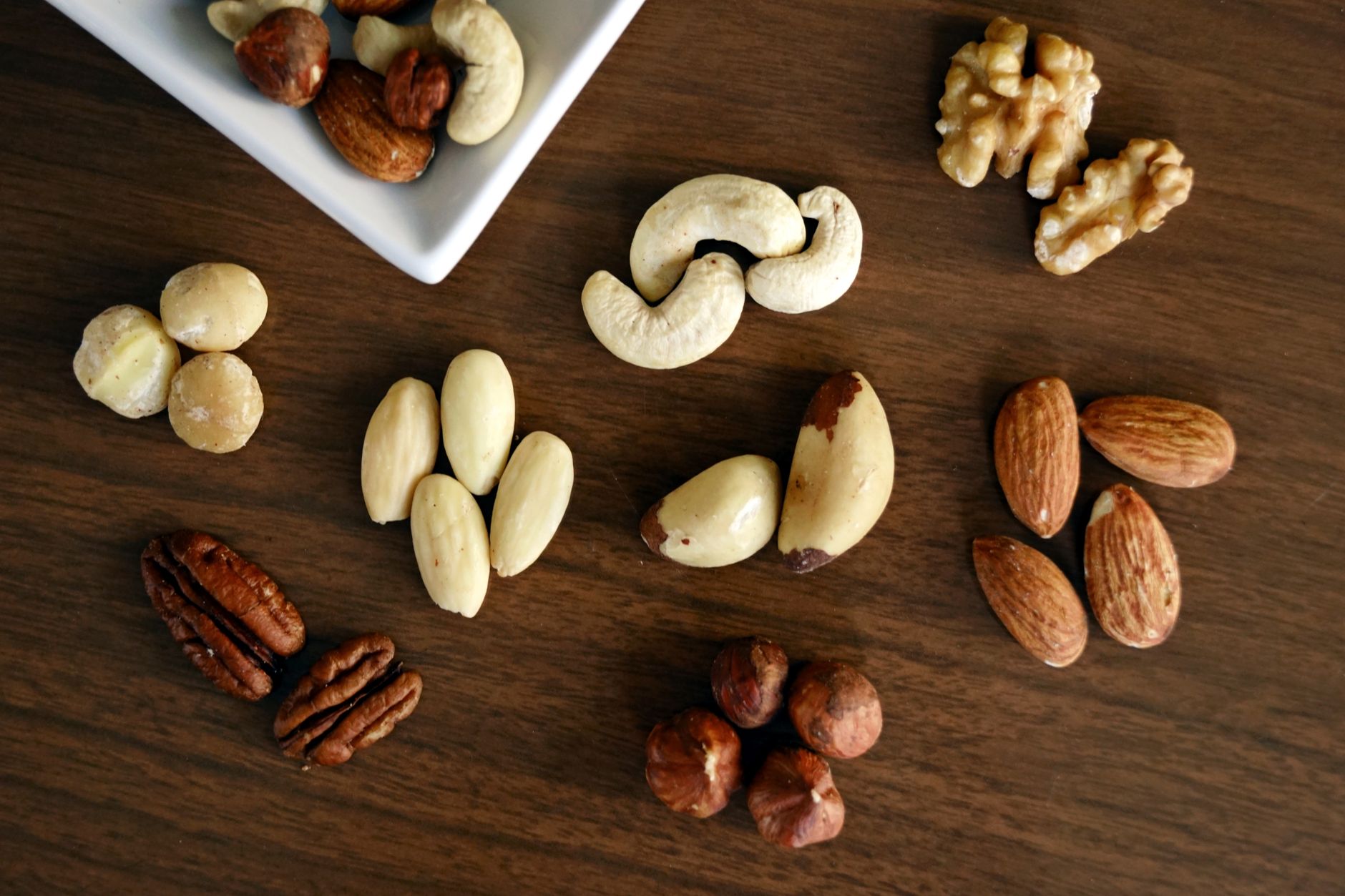
Brazil nuts, known for their unique flavor and high nutrient content, have become a popular snack and ingredient in various recipes. They are rich in selenium, healthy fats, and other essential vitamins. However, due to their high selenium levels, it’s crucial to understand how many Brazil nuts are safe to eat to maximize the health benefits while minimizing potential risks.
This article will explore the nutritional profile of Brazil nuts, the recommended daily intake, potential health risks associated with excessive consumption, and tips on how to incorporate them into your diet safely.
How Many Brazil Nuts Are Safe to Eat?
The safe intake of Brazil nuts is generally considered to be 1 to 3 nuts per day for most adults. This amount provides a significant boost of selenium while limiting the risk of toxicity. Consuming more than five nuts daily may increase the risk of exceeding the recommended dietary allowance of selenium.
The Nutritional Profile of Brazil Nuts
Brazil nuts come packed with nutrients that contribute to overall health. Here’s a breakdown of their primary components:
- Selenium: Brazil nuts are one of the richest sources of selenium, an essential mineral important for metabolism and thyroid function, as well as antioxidant protection.
- Healthy Fats: They contain a high amount of healthy monounsaturated fats, which can help improve heart health.
- Protein: Brazil nuts are a good source of protein, providing essential amino acids needed for various bodily functions.
- Vitamins and Minerals: They also contain magnesium, phosphorus, copper, and vitamin E, contributing to various biochemical processes.
The Selenium Factor
Selenium plays a vital role in body functions, but too much can lead to selenosis, a condition caused by excessive selenium levels. The tolerable upper intake level for selenium for adults is 400 micrograms per day. A single Brazil nut can contain anywhere from 68 to 91 micrograms of selenium, meaning that just a few nuts can meet or exceed daily recommendations.
Health Risks of Overconsumption
While Brazil nuts offer many health benefits, moderation is crucial. Excessive consumption can lead to several health issues, including:
- Selenosis: Symptoms include hair loss, gastrointestinal disturbances, fatigue, irritability, and neurological damage.
- Cardiovascular Issues: High amounts of healthy fats can be detrimental if consumed in excess, potentially leading to weight gain and associated cardiovascular problems.
- Allergies: Some individuals may develop allergies to nuts, including Brazil nuts, which can result in severe reactions.
Benefits of Eating Brazil Nuts
In moderation, Brazil nuts can confer several health advantages:
- Boosting Immune Function: The high selenium content aids in proper immune system functioning.
- Improving Heart Health: Their healthy fats can help lower bad cholesterol levels.
- Support for Thyroid Health: Selenium is essential for the production of thyroid hormones, which regulate metabolism.
Incorporating Brazil Nuts Into Your Diet
Here are practical ways to include Brazil nuts in your meals without overdoing it:
- As a Snack: Enjoy a handful (1 to 3 nuts) as a nutritious snack during your day.
- In Salads: Chopped Brazil nuts can add a delightful crunch to salads.
- Baking: Incorporate finely chopped nuts into muffins or baked goods for added flavor and nutrition.
- Gourmet Dishes: They can enhance the taste of various gourmet dishes, including risottos and stir-fries.
Easy Preparation Tips for Brazil Nuts
If you’re looking to include Brazil nuts in your meals or snacks, here are some preparation tips:
- Soaking: Soaking Brazil nuts overnight can make them softer and easier to digest, though it’s optional.
- Roasting: Lightly roasting Brazil nuts can enhance their flavor. Be cautious, as roasting can also increase calorie content.
- Chopping: Finely chop Brazil nuts to use in smoothies, yogurts, or salads for extra flavor and nutrition.
Practical Substitutions
If you’re looking for alternatives to incorporating healthy nuts into your diet or want to switch things up, consider these substitutes:
- Walnuts: These are rich in omega-3 fatty acids but contain lower selenium levels. Use in similar quantities as Brazil nuts.
- Almonds: A good source of healthy fats and vitamin E, use about the same amount.
- Pecans: With a similarly buttery taste, pecans can replace Brazil nuts in desserts.
Common Mistakes and Troubleshooting
While eating Brazil nuts is straightforward, keep these common mistakes in mind:
- Overindulgence: Remember, a handful (1 to 3) is sufficient. Avoid mindlessly snacking from a bulk bag.
- Ignoring Allergies: Be mindful if you have tree nut allergies. Always check packaging for cross-contamination warnings.
Serving Suggestions
Enjoy Brazil nuts in various ways to make the most of their unique flavor:
- Mixed Nut Bowls: Combine Brazil nuts with other nuts for a healthy trail mix.
- With Dried Fruit: Pairing them with dried fruits adds natural sweetness and nutrients.
- Nut Butter: Blend Brazil nuts to create a creamy nut butter for spreading on toast.
Storage and Reheating Guidance
To maximize the shelf life and quality of Brazil nuts, follow these storage tips:
- Cool, Dry Place: Store Brazil nuts in an airtight container in a cool, dry place to prevent rancidity.
- Refrigeration: For prolonged freshness, consider refrigerating Brazil nuts, especially if purchased in bulk.
- Freezing: Brazil nuts can be frozen for several months, allowing you to maintain their nutritional value.
Conclusion
Incorporating Brazil nuts into your diet can provide substantial health benefits, but moderation is essential. The safe amount ranges from one to three Brazil nuts per day to benefit from their nutritional value without risking selenium toxicity. As with all foods, balance is the key.
For more delicious nuts, check out what walnuts are good for or learn more about the benefits of chia seeds. By experimenting with different ingredients, you can create wholesome meals that best suit your taste and nutritional needs.