
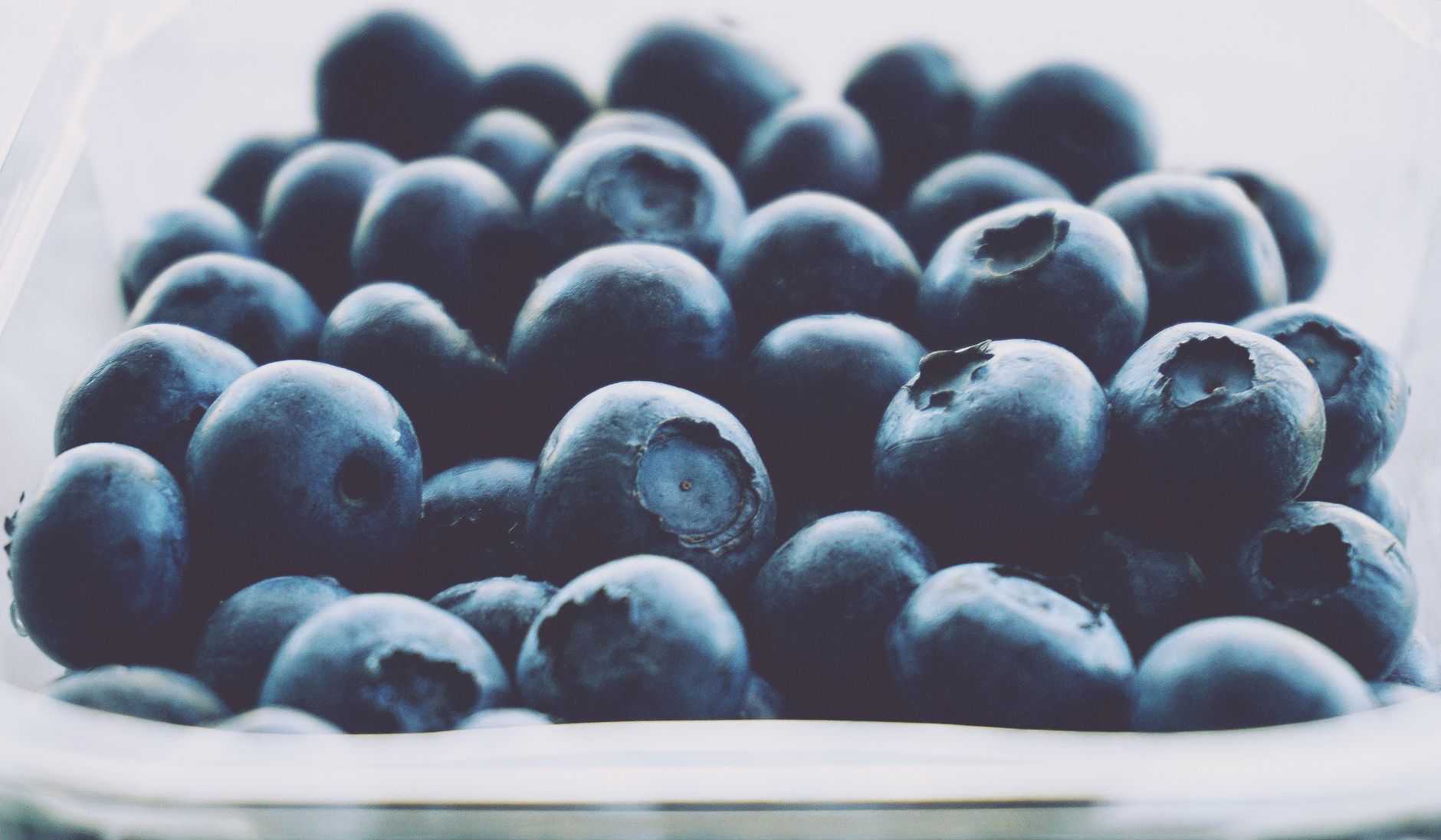
Blueberries are often touted for their superfood status, with numerous claims about their health benefits, including their potential effects on cholesterol levels. With rising concerns about heart health, many are looking to their diets for solutions. Understanding whether these small, sweet berries can genuinely lower cholesterol levels is essential for those seeking healthier lifestyle choices.
This article will explore the relationship between blueberries and cholesterol, how they can fit into a heart-healthy diet, and practical ways to incorporate them into meals. Let’s uncover the truth about blueberries and cholesterol.
Do Blueberries Lower Cholesterol?
Research indicates that blueberries may contribute to lowering cholesterol levels. They are rich in antioxidants, particularly anthocyanins, which are thought to improve heart health by influencing cholesterol metabolism and reducing oxidative stress. While they can be beneficial as part of a balanced diet, blueberries alone are not a cure-all for cholesterol issues.
The Nutritional Benefits of Blueberries
Blueberries are not only delicious; they’re packed with nutrients. Here’s a closer look at what makes them a valuable addition to your diet.
- Low in Calories: A cup of fresh blueberries contains about 84 calories, making them a low-calorie snack option.
- High in Fiber: Blueberries provide about 3.6 grams of dietary fiber per cup, which is excellent for digestive health.
- Rich in Vitamins and Minerals: Blueberries offer vitamin C, vitamin K, and manganese, which are essential for various bodily functions.
- Antioxidant Properties: The high levels of antioxidants in blueberries help combat free radicals, reducing oxidative stress.
How Blueberries May Affect Cholesterol Levels
Studies have shown that consuming blueberries can lead to favorable changes in cholesterol levels and overall heart health. Here are some specific ways blueberries may influence cholesterol:
1. Reducing LDL Cholesterol
Low-density lipoprotein (LDL) cholesterol, commonly referred to as “bad” cholesterol, can build up in the arteries, leading to cardiovascular diseases. Evidence suggests that the antioxidants in blueberries may help lower LDL cholesterol levels:
- A study found that participants who consumed blueberries daily saw a reduction in LDL cholesterol levels.
- Anthocyanins in blueberries are believed to inhibit the oxidation of LDL particles, which is a critical factor in heart disease.
2. Increasing HDL Cholesterol
High-density lipoprotein (HDL) cholesterol, known as “good” cholesterol, helps remove LDL cholesterol from the bloodstream. Some research indicates that incorporating blueberries into the diet may improve HDL levels:
- Regular consumption of blueberries has been linked to elevated HDL cholesterol levels.
- Increased HDL levels help reduce the risk of heart disease by promoting the removal of arterial plaque.
3. Improving Overall Heart Health
Beyond cholesterol, blueberries can positively affect other aspects of heart health:
- They may help lower blood pressure due to their ability to improve endothelial function and blood vessel health.
- The anti-inflammatory properties of blueberries can lower the risk of chronic conditions associated with heart disease.
Incorporating Blueberries into Your Diet
Adding blueberries to your diet can be both simple and enjoyable. Here are some practical ways to incorporate them into your meals:
1. Breakfast Options
- Oatmeal: Stir fresh or frozen blueberries into cooked oatmeal for a nutrient boost.
- Smoothies: Blend blueberries with yogurt, spinach, and banana for a satisfying smoothie.
- Pancakes or Waffles: Add blueberries to your pancake or waffle batter for a fruity twist.
2. Snack Ideas
- Trail Mix: Combine dried blueberries with nuts and seeds for a healthy trail mix.
- Yogurt Parfait: Layer Greek yogurt with blueberries and granola for a refreshing snack.
- Fruit Salad: Toss blueberries into a fruit salad for added color and flavor.
3. Dessert Enhancements
- Blueberry Muffins: Bake muffins with blueberries for a delightful treat.
- Pies and Crisps: Use blueberries in pies or crisps for a classic dessert.
- Sorbet or Frozen Yogurt: Blend blueberries with a little honey and freeze for a refreshing dessert.
4. Savory Dishes
- Salads: Add blueberries to salads for a burst of sweetness. They pair well with spinach, nuts, and feta cheese.
- Sauces and Marinades: Make a blueberry sauce to drizzle over grilled meats for a unique flavor.
- Glazed Veggies: Toss roasted vegetables with a blueberry vinaigrette for added depth.
Blueberry Substitutions and Variations
If blueberries are not available, or if you’re looking for alternatives, consider these substitutions and their effects on your dishes:
- Blackberries: Similar in flavor and texture, they can be used in most recipes requiring blueberries.
- Raspberries: Tart and sweet, they offer a different flavor profile but can be substituted in desserts and toppings.
- Cherries: While sweeter, fresh cherries can provide a similar texture for some recipes.
Common Mistakes When Using Blueberries
When cooking or baking with blueberries, keep these common pitfalls in mind:
- Using Frozen Blueberries Directly: Frozen blueberries can bleed into batter; consider drying them before use or mixing them in gently.
- Overbaking Blueberry Desserts: Blueberries have high moisture content, which can make desserts soggy if baked too long.
- Ignoring Quality: Always choose fresh, plump blueberries. Avoid those with mold or spoilage signs.
Storage and Handling of Blueberries
Proper storage is important to maximize the freshness and health benefits of blueberries:
- Refrigeration: Store fresh blueberries in the refrigerator in their original packaging or a breathable container to prevent mold.
- Freezing: To freeze, wash and dry blueberries, spread them out on a baking sheet, freeze until solid, then transfer to a freezer bag.
- Handling: Avoid rinsing blueberries until you’re ready to use them, as excess moisture can promote spoilage.
Conclusion
Incorporating blueberries into your diet can be a delicious way to support heart health, including potentially lowering cholesterol levels. Although they cannot replace medical treatments for high cholesterol, adding them along with a balanced diet can be beneficial. Try enjoying blueberries in various ways, from breakfast to savory dishes, to make the most of their health-promoting properties.
Explore related recipes or cooking tips to continue enhancing your diet with wholesome ingredients like blueberries. Check out how long do blueberries last to store them properly or find out how many blueberries in a serving to stay on track with portion sizes.