
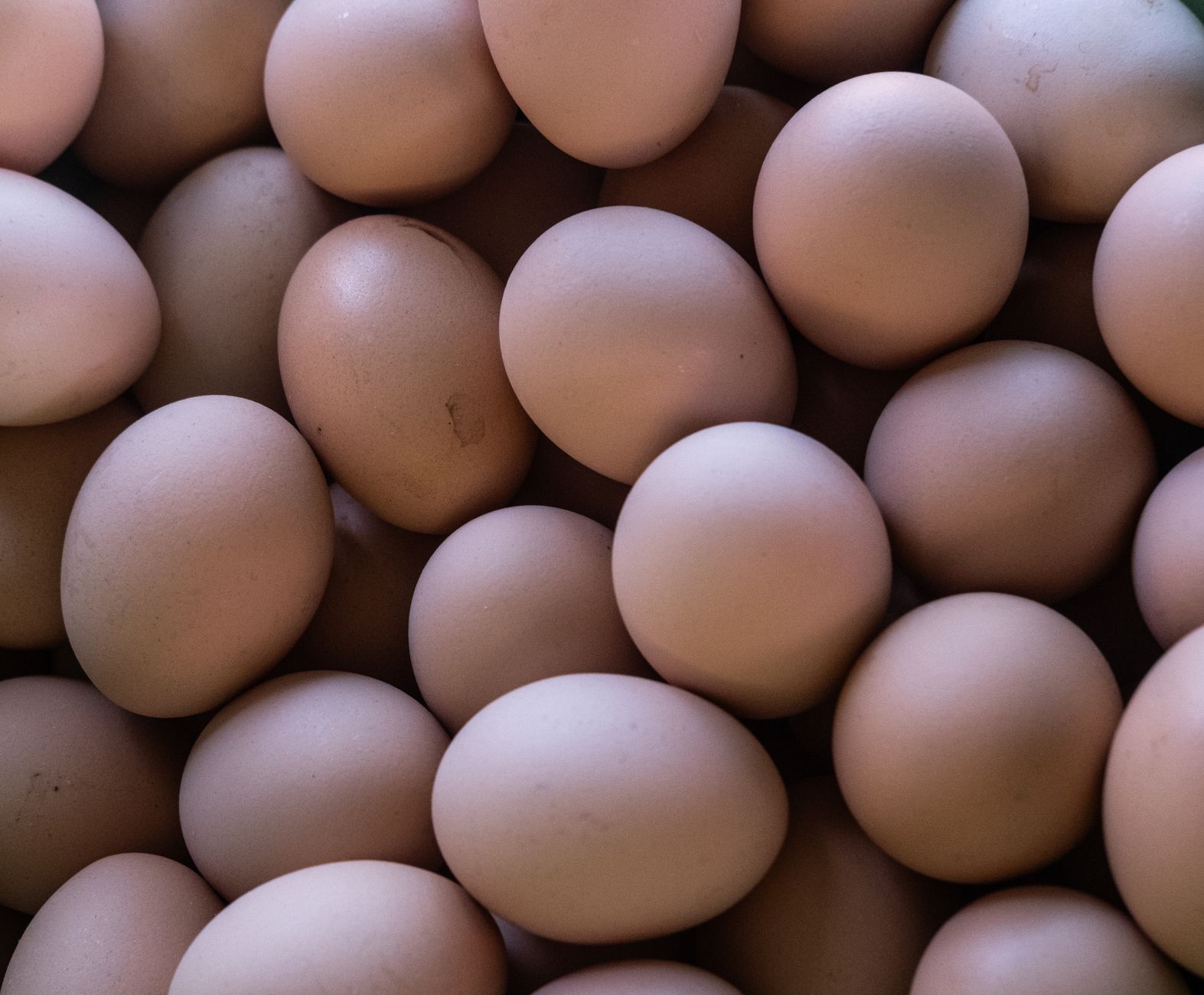
The color of egg shells can vary widely, ranging from white to shades of brown, and even blue or green in some breeds. Understanding why some eggs are brown and others are white not only satisfies curiosity, but also helps in selecting the right eggs based on preference or dietary needs. This article delves into the reasons behind egg color, its implications for nutrition, and uses in cooking.
Let’s explore what determines the color of eggs, including breed differences, nutritional impact, and practical cooking uses. We will also discuss common misconceptions associated with the color of eggs and how to choose the best eggs for your culinary endeavors.
Why Are Some Eggs Brown?
The color of an eggshell is determined primarily by the breed of the hen that lays it. Hens with white feathers and earlobes typically lay white eggs, while those with red feathers and earlobes tend to lay brown eggs. The variation in color is a result of the pigments deposited in the eggshell during its formation.
There is no definitive nutritional difference between brown and white eggs; both are excellent sources of protein, vitamins, and minerals. Nevertheless, consumers may have preferences based on perceived quality or freshness, often linked to local farming practices rather than the egg color itself.
Egg Shell Color and Production
The process of egg production in hens involves the laying of an egg in the oviduct, where it spends several hours. As the egg moves through various sections of the oviduct, pigments are added to the shell’s calcium carbonate coating. The two main pigments contributing to brown eggshells are protoporphyrin and biliverdin.
Protoporphyrin imparts a brown hue to the egg, while biliverdin gives a blue-green tint. The proportions and presence of these pigments entirely depend on the hen’s genetic makeup. This distinction means that when you see a brown egg, it’s simply a product of the specific hen breed.
Common Chicken Breeds and Their Egg Color
| Chicken Breed | Egg Color |
|---|---|
| Leghorn | White |
| Rhode Island Red | Brown |
| Sussex | Brown |
| Australorp | Brown |
| Orpington | Brown |
| Plymouth Rock | Brown |
| Araucana | Blue or Green |
Does Egg Color Affect Taste or Nutrition?
Despite popular myths, egg color does not have any bearing on the taste or nutritional content of the egg. Both brown and white eggs contain similar levels of protein, fat, vitamins, and minerals. The flavor profile of an egg is influenced much more by the hen’s diet and how fresh the egg is than by the color of the shell.
Hens that are raised on a diet rich in greens, grains, and organic feed tend to produce eggs with more vibrant yolks and enhanced flavor. This also applies to both brown and white eggs, meaning that it is the care and diet of the hen that ultimately affects the quality of the egg.
Choosing the Right Eggs for Cooking
When selecting eggs, consider factors such as freshness, size, and production methods rather than shell color. Here’s a quick guide for making an informed choice:
- Freshness: Look for eggs with the latest expiration date or check for a sell-by date stamp. Fresh eggs have firmer whites and brighter yolks.
- Size: Eggs come in various sizes, typically categorized as small, medium, large, extra-large, and jumbo. Choose according to your recipe’s requirements.
- Production Methods: Opt for organic, free-range, or pasture-raised eggs if possible, as these hens are typically raised in healthier conditions.
Cooking with Brown and White Eggs
Brown and white eggs can be used interchangeably in cooking without any adjustments to recipes. However, knowing how to utilize them effectively can enhance your meal preparations. Here are some practical cooking uses:
Scrambling Eggs
In scrambled eggs, both types perform identically in terms of cooking technique and overall taste. The key to fluffy scrambled eggs is to whisk them thoroughly before cooking and to maintain a low heat while stirring to prevent them from overcooking.
Baking with Eggs
Most baking recipes do not specify egg color; focus instead on size. When a recipe calls for large eggs, stick to eggs of that size regardless of their color. This will ensure moisture levels and structure in baked goods remain consistent.
Poaching and Boiling
Both brown and white eggs can be poached or boiled effectively. To poach eggs, crack them into simmering water with a splash of vinegar, which helps proteins to coagulate. For hard-boiled eggs, place them in a pot of cold water, bring to a boil, and then cover for 10-12 minutes before cooling in ice water.
Using Eggs in Sauces
Eggs can be used to create rich and creamy sauces like hollandaise or mayonnaise. Again, there’s no need to differentiate based on shell color. The quality of the eggs matters more for flavor and emulsification.
Common Misconceptions About Egg Color
Several myths surround the concept of egg color, often leading to misunderstandings. Here are some common misconceptions:
- Brown eggs are healthier than white: The nutritional value is practically the same; it primarily comes down to personal preference.
- Color indicates freshness: Shell color does not reflect how fresh an egg is. Always check the sell-by date or conduct a float test to assess freshness.
- Expensive eggs are always better: Price does not necessarily correlate with quality. It depends on the hens’ diets and farming practices.
Egg Storage Tips
To preserve eggs’ freshness, follow these storage tips:
- Refrigeration: Store eggs in the refrigerator to maintain freshness, preferably in their original carton to minimize absorption of odors.
- Use within 3-5 weeks: While eggs can remain edible longer than their expiration date suggests, it’s best to use them within a month of purchase.
- Check for freshness: Perform a float test by placing an egg in a bowl of water; if it floats, it’s best to discard it, as it indicates age.
Culinary Uses of Eggs Beyond the Kitchen
Eggs are more than just a food item. They play various roles in different cultures and practices. Here are a few notable mentions:
- Food Coloring: The vivid hues of egg yolks can be used in natural dyeing for Easter eggs or crafts.
- Skin Treatments: Egg whites can be used in face masks for their tightening effects.
- Aeration Agents: In some culinary arts, eggs manage emulsification, as seen in sauces like aioli.
Conclusion
Understanding why some eggs are brown and others are white uncovers a fascinating glimpse into poultry genetics while demystifying common misconceptions. Remember that the most critical factors when choosing eggs are freshness, size, and adherence to ethical farming practices rather than shell color. By appreciating these elements, you can elevate your cooking and make informed choices that fit your taste and dietary needs.
Explore related recipes, cooking tips, or food guides to enhance your culinary knowledge further. Learn how to bake chicken legs at 400 degrees or discover the perfect baking time for sweet potatoes.