
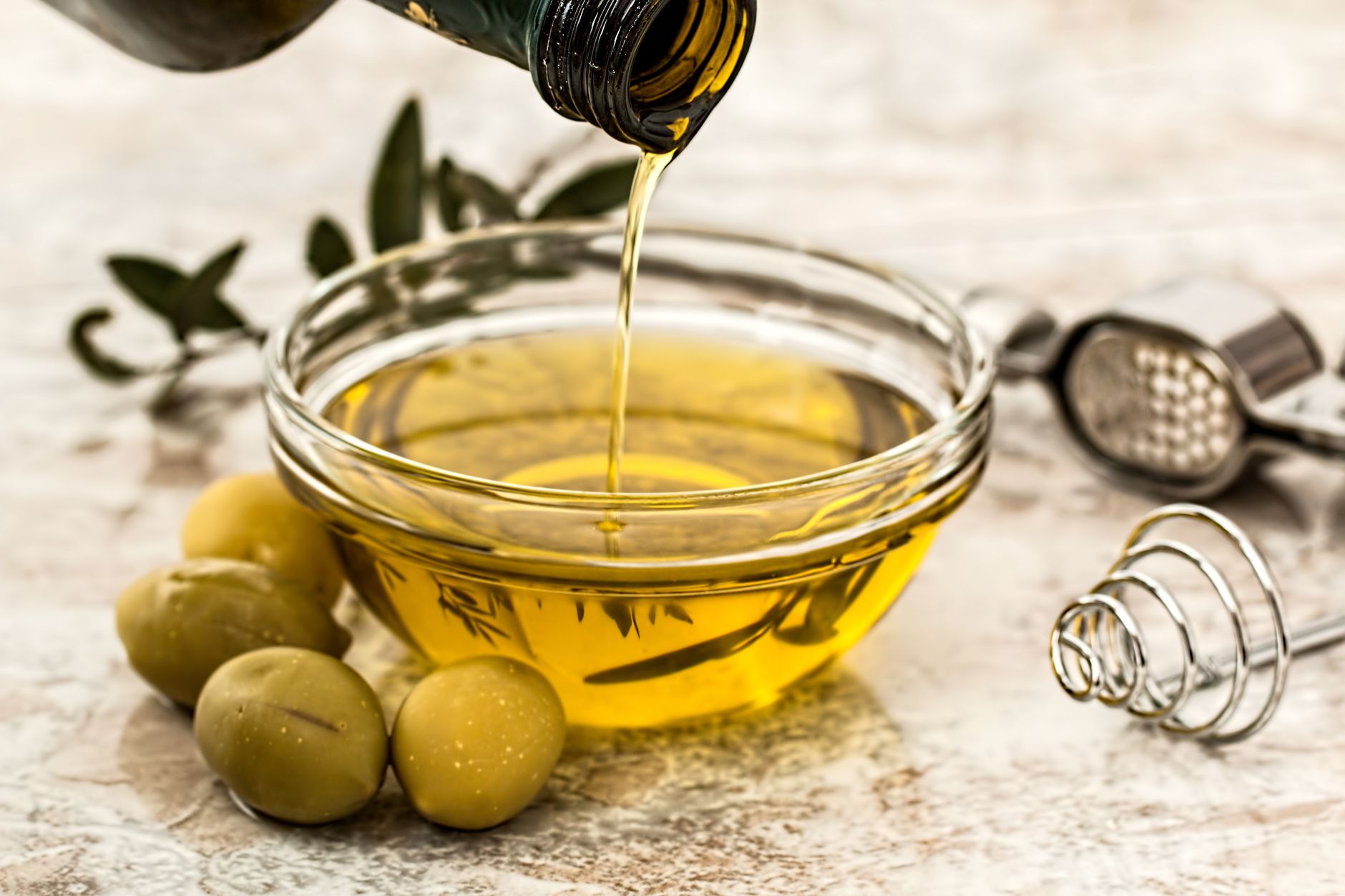
When it comes to dietary choices, the question of gluten is increasingly important for many individuals. Some people are naturally curious if certain foods contain gluten, while others need to be vigilant due to celiac disease or gluten intolerance. One commonly queried product is extra virgin olive oil, a staple in many kitchens around the world.
This article will delve into the gluten status of extra virgin olive oil, helping you understand its safety for gluten-free diets. We’ll explore what gluten is, potential cross-contamination issues, and how to select a gluten-free olive oil if you have any concerns.
Is Extra Virgin Olive Oil Gluten Free?
Yes, extra virgin olive oil is naturally gluten-free. Olive oil is derived from olives and does not contain any gluten, which is a protein found in wheat, barley, and rye. However, it is essential to be cautious about cross-contamination during production, packaging, or processing stages.
Understanding Gluten and Its Sources
Gluten is a protein composite found in several grains, primarily:
- Wheat
- Barley
- Rye
For those with celiac disease or non-celiac gluten sensitivity, consuming gluten can lead to various health issues, including digestive discomfort and inflammation. Because of this, it’s paramount that individuals adhere to a strict gluten-free diet. Foods labeled as gluten-free must have less than 20 parts per million (ppm) of gluten.
What is Extra Virgin Olive Oil?
Extra virgin olive oil is the highest grade of olive oil, known for its distinct flavor, nutritional benefits, and health-promoting qualities. It is made from the cold pressing of olives, ensuring that the oil retains much of its natural taste and nutritional content. Some characteristics of extra virgin olive oil include:
- Low acidity (less than 0.8%)
- Rich in antioxidants
- High in monounsaturated fats
How to Ensure Your Extra Virgin Olive Oil is Gluten Free
While extra virgin olive oil itself is gluten-free, there are a few considerations to ensure you are choosing a safe product. Here are some essential tips:
1. Check the Label
Look for bottles that explicitly state “gluten-free” on the label. While no gluten should be present, companies often take extra measures to confirm their product’s safety.
2. Be Cautious of Flavored Oils
Some flavored olive oils can contain gluten, especially if they include additives or flavorings derived from gluten-containing grains. Always check ingredient lists on flavored oils.
3. Consider Cross-Contamination
Cross-contamination can occur during processing or packaging. Choose brands that prioritize gluten-free production processes. Research companies that specialize in gluten-free products or have dedicated facilities.
Pitfalls to Avoid When Purchasing Olive Oil
When selecting extra virgin olive oil, it is vital to be vigilant about specific aspects to maintain your gluten-free lifestyle. Here are common pitfalls to avoid:
1. Ignoring the Source
The origin of the olives can influence cross-contamination. Some mills process several types of oils, including gluten-containing oils. Picking a brand that guarantees its olives are processed in a gluten-free environment is prudent.
2. Relying Solely on ‘Extra Virgin’ Labeling
The term ‘extra virgin’ does not guarantee that the oil is free from contaminants. It reflects how the oil was processed rather than its gluten-free status. Pay attention to other labels or certifications.
3. Skipping Ingredient Lists
Consumers should always read the ingredient list. If an olive oil product has any added ingredients besides olive oil, make sure those are free from gluten.
Cooking with Extra Virgin Olive Oil
Extra virgin olive oil is versatile and an excellent choice for cooking, offering distinct flavors and health benefits. Here are various ways to utilize it in your kitchen:
1. Salad Dressings
Extra virgin olive oil serves as the perfect base for homemade salad dressings. Combine it with vinegar, lemon juice, herbs, and spices for a gluten-free dressing.
2. Sautéing and Stir-Frying
This oil’s high smoke point makes it suitable for sautéing vegetables or frying meats. Always monitor the heat to avoid burning the oil.
3. Marinades
Enhance the flavor of proteins or vegetables by marinating them in a mixture that includes extra virgin olive oil, herbs, and spices.
4. Baking
Substituting butter or other oils with extra virgin olive oil in baking recipes can lead to delicious changes in flavor and texture. Consider using it in breads, muffins, and cakes.
Healthy Benefits of Extra Virgin Olive Oil
Extra virgin olive oil does not only play a role in flavor but also offers numerous health advantages:
- Rich in monounsaturated fats, which can reduce bad cholesterol
- High in antioxidants, which combat oxidative stress
- May reduce inflammation
- Supports heart health and blood pressure management
Common Myths About Olive Oil and Gluten
Several misconceptions may surround olive oil and gluten. Here are a few clarifications:
Myth 1: All Olive Oils are Not Gluten-Free
Extra virgin olive oil is made solely from olives, making it inherently gluten-free. However, cross-contamination during manufacturing can cause concerns.
Myth 2: All Flavored Olive Oils Contain Gluten
Not all flavored oils contain gluten, but caution is crucial. Always read the labels to ensure that no gluten-containing additives are present.
Myth 3: Olive Oil Has an Unlimited Shelf Life
While olive oil has a decent shelf life, it can go rancid. Store it in a cool, dark place and watch for changes in odor or taste.
How to Store Extra Virgin Olive Oil
Proper storage of extra virgin olive oil is essential to maintain its flavor and health benefits:
- Store in a cool, dark place away from sunlight.
- Keep the bottle tightly sealed to prevent oxidation.
- Once opened, use within six months to a year for optimal freshness.
Identifying Good Quality Olive Oil
When purchasing extra virgin olive oil, consider these indicators of quality:
- Look for dark glass bottles or tins, which protect oil from light.
- Check for harvest dates on the bottle; fresher oil is typically better.
- Choose oils with certifications from reputable organizations.
Practical Tips for Including Olive Oil in Your Diet
Incorporating extra virgin olive oil into your meals can be simple and delicious. Here are some practical suggestions:
1. Experiment with Cooking Techniques
Use olive oil for various cooking techniques such as roasting, grilling, and even baking. The oil enhances flavor and adds richness.
2. Drizzle Over Dishes
A finishing drizzle of extra virgin olive oil can elevate the flavor of many dishes, from pasta to grilled vegetables.
3. Use it in Dips
Extra virgin olive oil can serve as a base for dips. Combine it with paths like hummus or use it as an ingredient in sauces.
Conclusion
Extra virgin olive oil is a versatile, gluten-free ingredient that can enhance a variety of dishes while providing numerous health benefits. Always opt for high-quality oils and pay attention to production sources to ensure safety for your gluten-free diet.
Next time you’re at the store, explore the world of extra virgin olive oil and make sure to check for gluten-free labels. Also, don’t forget to consider using avocado oil as a substitute in different cooking contexts by checking out our guide on avocado oil. For those concerned about grains, you may want to learn whether basmati rice is gluten-free to further complement your gluten-free meal plans.
Explore delicious recipes and cooking tips to enhance your culinary experience.