
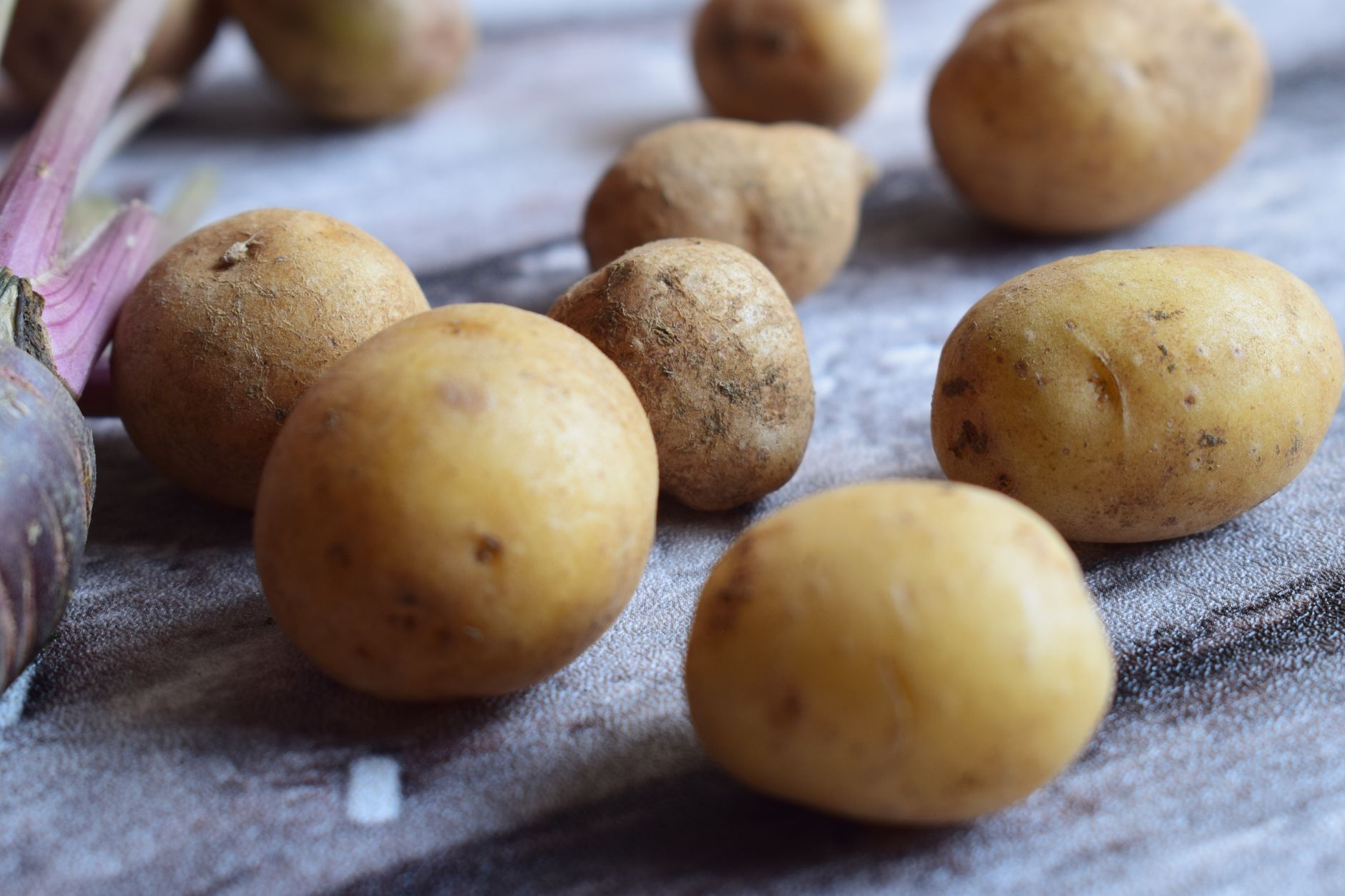
Potatoes are a staple in many kitchens around the world, known for their versatility and comforting nature. But beyond their culinary appeal, they also have considerable nutritional value that makes them a healthy addition to your diet.
In this article, we will explore the nutritional benefits of potatoes, appropriate portion sizes, and how you can incorporate them into various meals. Whether you enjoy them roasted, mashed, or baked, you’re sure to find useful insights into why potatoes are good for you.
Why Are Potatoes Good for You?
Potatoes are good for you primarily due to their high nutrient content, including vitamins, minerals, and dietary fiber. They are low in calories, fat-free, and can contribute to a balanced diet when prepared healthily. Furthermore, their versatility allows for numerous culinary applications.
Nutritional Breakdown of Potatoes
Understanding the nutritional composition of potatoes can help you appreciate their role in your diet. Here’s a deeper look into what a typical medium-sized potato (about 150 grams) offers:
- Calories: Approximately 130
- Carbohydrates: About 30 grams
- Protein: Roughly 3 grams
- Fat: 0 grams
- Fiber: Around 2 grams
- Vitamin C: Provides 30% of the daily recommended intake
- Potassium: Contains about 620 mg, which is 15% of the daily recommended value
- Vitamin B6: Contributes around 10% of the daily value
Additionally, potatoes are rich in antioxidants, which can help protect your cells from damage caused by free radicals.
Health Benefits of Potatoes
Incorporating potatoes into your diet can yield several health benefits, providing they are prepared in healthy ways. Here are some notable advantages:
1. High in Nutrients
The richness of vitamins and minerals in potatoes supports overall health. For example, vitamin C boosts your immune system, while potassium helps maintain healthy blood pressure levels and supports muscle contractions.
2. Good Source of Fiber
When consumed with their skin, potatoes become a great source of dietary fiber, which is essential for digestion. A diet high in fiber can promote feeling full and may help in weight management.
3. Natural Energy Source
The carbohydrates found in potatoes are a quick source of energy. This makes them especially beneficial as part of pre- or post-workout meals. In the appropriate portions, they can fuel your daily activities effectively.
4. Gluten-Free Option
Potatoes are entirely gluten-free, making them an excellent choice for those with celiac disease or gluten intolerance. You can enjoy them in various dishes without worrying about gluten-related side effects.
5. Potential Antioxidant Properties
Some varieties of potatoes contain antioxidants, which may help stave off chronic illnesses such as heart disease and certain cancers. These compounds work to reduce inflammation and combat oxidative stress in the body.
Portion Sizes and Preparation Methods
Understanding how much to consume is crucial for gaining the health benefits of potatoes without overdoing calories or carbohydrates. Here are some guidelines on portion sizes and some healthy preparation methods:
Recommended Portion Sizes
A standard serving size for potatoes is about one medium-sized potato (around 5-6 ounces). This serving provides a good balance of nutrients and energy without excessive calories. The key is moderation:
- For mashed potatoes, a ½ cup serving is typical.
- For fries or chips, stick to a handful (approximately 1 ounce).
- For baked potatoes, one medium potato is sufficient.
Healthy Cooking Methods
How you prepare potatoes significantly affects their health benefits. Here are some healthy cooking methods to consider:
- Boiling: Use minimal added salt to keep them healthy.
- Baking: Bake whole or sliced potatoes, allowing their natural flavors to shine.
- Roasting: Toss potatoes in olive oil and herbs before roasting to enhance flavor.
- Steaming: Steaming helps retain nutrients and does not require added fats.
Avoid deep-frying or loading potatoes with heavy creams or butters, as these can quickly change their nutritional profile for the worse.
Potato Varieties and Their Unique Benefits
Not all potatoes are the same; different varieties offer various flavors and nutrients. Here are some popular types of potatoes and their unique benefits:
1. Russet Potatoes
These are the classic baking potatoes, known for their fluffy texture when cooked. They are a rich source of potassium and complex carbohydrates.
2. Red Potatoes
These potatoes have a waxy texture and smooth skin. They are good for salads and retaining their shape after cooking, making them great for steaming and roasting.
3. Yukon Gold Potatoes
With their buttery flavor, Yukon Golds are excellent for mashing and add a unique flavor to various dishes. They also have a higher vitamin C content than some other varieties.
4. Purple Potatoes
Packed with antioxidants, purple potatoes offer unique health benefits. They can also add vibrant color to your meals, making them visually appealing.
Common Misconceptions About Potatoes
Although potatoes are nutritious, several misconceptions may deter people from including them in their diets. Here are some common myths debunked:
Myth 1: Potatoes Are Fattening
When prepared healthily, potatoes are not fattening. It’s the added fats, like butter or oil used in preparation, that contribute to weight gain, not the potatoes themselves.
Myth 2: Potatoes Have No Nutritional Value
This is far from the truth. Potatoes are packed with vitamins, minerals, fiber, and antioxidants that are essential for various bodily functions.
Myth 3: You Can’t Eat Potatoes on a Diet
In moderation, potatoes can be part of a balanced diet. They can be included in a calorie-controlled meal plan, especially when swapping out unhealthy carbs for them.
Creative Ways to Incorporate Potatoes Into Your Diet
Here are some practical suggestions for including potatoes in your meals without sacrificing taste:
1. Breakfast Hash
Dice cooked potatoes and toss them into a skillet with sautéed vegetables and your choice of protein like eggs or tofu for a hearty breakfast.
2. Potato Salads
For a fresh twist, use boiled red or Yukon Gold potatoes, mix them with vegetables, olive oil, mustard, and fresh herbs. This makes for a nutritious side dish.
3. Soups and Stews
Add diced potatoes to soups and stews to enhance their texture and nutritional content. They also help thicken the broth naturally.
4. Homemade Fries
Slice potatoes into wedges, season them with herbs, and bake until crisp for a healthy alternative to traditional fried potatoes.
5. Stuffed Potatoes
Bake a potato and fill it with steamed vegetables, beans, or cheese for a satisfying meal. This method maintains the health benefits while offering diverse flavors.
Storage Tips for Fresh Potatoes
Storing potatoes correctly can help maintain their quality and flavor. Here are some effective storage tips:
- Keep potatoes in a cool, dark, and dry place to avoid sprouting.
- Avoid refrigerating them, as cold temperatures can alter their flavor and texture.
- Store them in a breathable bag or basket instead of plastic to prevent moisture buildup.
- Check them regularly and remove any that start to sprout or decay to prevent spoilage.
Conclusion
Potatoes are far more than just a filler food; they are nutrient-rich, versatile options that can play a vital role in a balanced diet. With the right preparation and portion sizes, potatoes can be included in a healthy eating plan while providing essential vitamins and minerals. Try incorporating potatoes in various meals to enjoy their numerous benefits and flavors.
If you’re interested in exploring more recipes and cooking tips, check out our guides on purple potatoes and loaded mashed potatoes.