
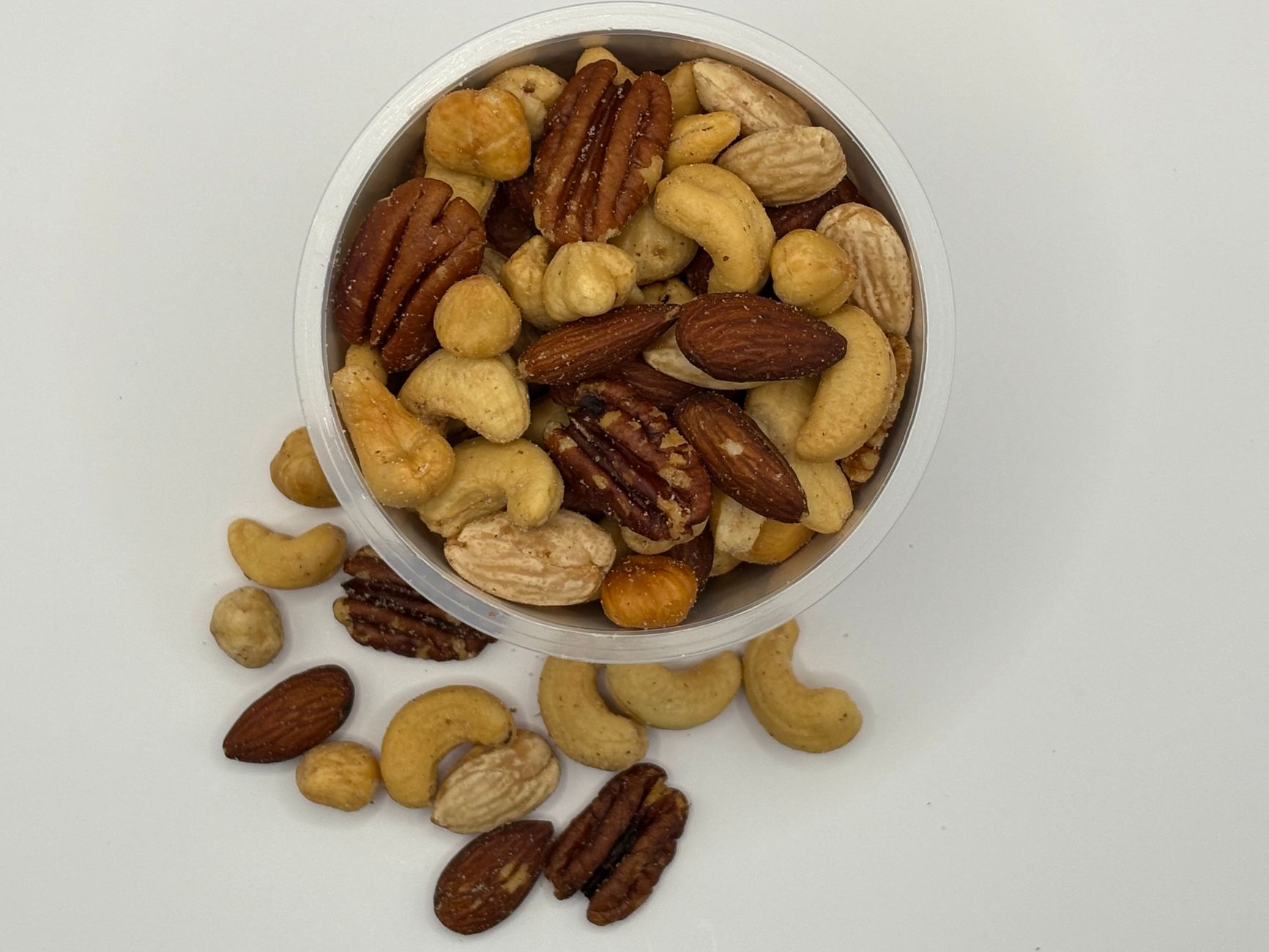
Nuts are often described as a superfood, and for good reason. Their rich nutritional profile and numerous health benefits make them a staple in many diets. From heart health to weight management, nuts are more than just a tasty snack—they are a powerhouse of nutrients.
This article explores why nuts are good for you, delving into their nutritional content, potential health benefits, and practical ways to incorporate them into your daily meals.
Why Are Nuts Good for You?
Nuts are good for you because they are nutrient-dense, packed with healthy fats, protein, fiber, vitamins, and minerals. Regular consumption of nuts has been linked to various health benefits, including improved heart health, weight management, and reduced inflammation.
The Nutritional Profile of Nuts
Nuts come in many varieties, each offering unique flavors and nutritional benefits. Here’s a closer look at what makes nuts a dietary powerhouse:
- Healthy Fats: Nuts are primarily made up of unsaturated fats, including monounsaturated and polyunsaturated fats, which are known to improve heart health.
- Protein: Nuts provide a solid source of plant-based protein, vital for muscle repair and growth.
- Fiber: High in dietary fiber, nuts can help regulate digestion and support a healthy gut.
- Vitamins and Minerals: Nuts are rich in vitamins such as vitamin E, and B vitamins, and minerals like magnesium, potassium, and zinc. These nutrients play critical roles in overall health.
- Antioxidants: Nuts contain several antioxidants that help combat oxidative stress and inflammation in the body.
Potential Health Benefits of Nuts
Incorporating nuts into your diet can yield numerous health benefits. Here are some key advantages:
Heart Health
Nuts have been extensively studied for their impact on cardiovascular health. Regular nut consumption is associated with lower cholesterol levels, improved blood vessel function, and reduced inflammation. Studies suggest that eating a handful of nuts daily can lower the risk of heart disease.
Weight Management
Despite being high in calories, nuts may actually assist in weight management. Their combination of healthy fats, fiber, and protein can keep you feeling full longer. Some research indicates that nut intake may help reduce overall calorie consumption by promoting satiety.
Reduced Inflammation
The antioxidants and healthy fats in nuts help combat inflammation, a contributor to many chronic diseases. Regular consumption of nuts has been associated with lower markers of inflammation in the body, such as C-reactive protein.
Improved Brain Function
Nuts, especially walnuts, are known to support cognitive health. Their high levels of DHA (docosahexaenoic acid) and antioxidants may help improve memory and reduce the risk of neurodegenerative diseases such as Alzheimer’s.
Blood Sugar Control
Nuts can play a role in blood sugar regulation, making them a smart choice for those with diabetes or at risk for the disease. Their low glycemic index and high fiber content help stabilize blood sugar levels.
Choosing and Storing Nuts
When selecting nuts, opt for raw or dry-roasted varieties without added sugars or unhealthy fats. Here are some tips for choosing and storing nuts:
- Choose Freshness: Look for nuts that appear plump and have a pleasant aroma. Avoid nuts that look shriveled or smell rancid.
- Storage: Store nuts in an airtight container in a cool, dark place to maintain freshness. For longer storage, consider refrigeration or freezing.
- Portion Control: Nuts are calorie-dense, so consider portioning them into servings to prevent overeating.
How to Incorporate Nuts into Your Diet
Nuts are versatile ingredients that can be easily added to various meals and snacks. Here are some practical ideas to integrate nuts into your daily routine:
Snacks
Nuts make an easy and nutritious snack on their own. Pair nuts with fruit, yogurt, or cheese for a more satisfying treat.
Breakfast
Add nuts to your morning oatmeal, yogurt parfait, or smoothie for an extra boost of nutrition.
Salads
Top salads with toasted nuts for added crunch and flavor. Walnuts, almonds, or pecans work particularly well.
Baking
Incorporate nuts into baked goods like breads, muffins, or cookies for added texture and health benefits. Consider using nut flours for gluten-free options.
Cooking
Add chopped nuts to stir-fries, grain dishes, or casseroles for a nutty flavor and nutritional boost.
If you’re looking for specific recipes, consider trying out dishes like almond-crusted chicken or walnut pesto. These recipes not only highlight the flavor of nuts but also incorporate them into main dishes.
Common Mistakes and Troubleshooting
While nuts are a healthy choice, there are a few common mistakes to avoid:
- Overeating: Because they are high in calories, it’s easy to consume too many nuts at once. Being mindful of portion sizes can help manage intake.
- Choosing Sugary or Salty Varieties: Many packaged nuts come coated in sugar or salt, which can negate their health benefits. Opt for unsweetened and unsalted options.
- Ignoring Allergies: Some individuals may have nut allergies. Always be cautious when serving nuts to others and provide clear labels.
Conclusion
Nuts are a nutritional gem that offers an array of health benefits. Whether you enjoy them as a snack, in salads, or incorporated into your meals, their versatility makes them an easy addition to any diet. Remember to choose fresh varieties, watch your portions, and experiment with different types to enjoy the full benefits of these powerhouse foods.
For more ideas and tips, explore resources on walnuts and how to incorporate them into your cooking, such as what walnuts are good for or try out a delicious candied walnuts recipe for a sweet twist.