
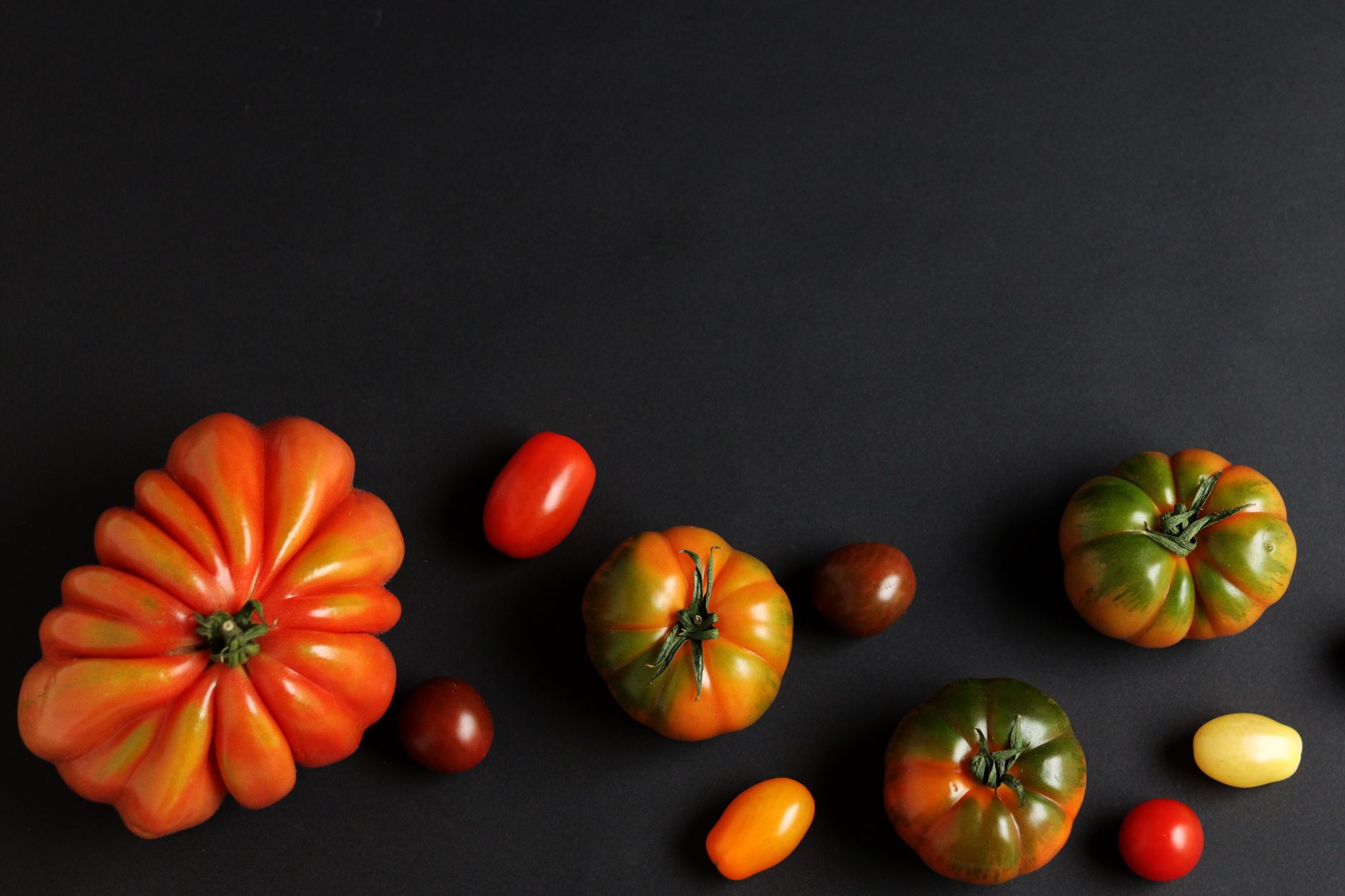
Gardeners and tomato lovers often face the frustrating issue of tomatoes turning black on the bottom. This condition, known as blossom end rot, signals a problem that can affect the overall health of your plants and the quality of your harvest. Understanding the causes and solutions can help you salvage your tomatoes and enjoy their vibrant flavor.
In this article, we will explore why tomatoes turn black on the bottom, how to prevent this issue in your garden, and practical uses for tomatoes that may be affected by blossom end rot. Let’s dive into the details!
Why Are My Tomatoes Turning Black on the Bottom?
Tomatoes turning black on the bottom are primarily affected by blossom end rot, a physiological disorder resulting from a calcium deficiency in the fruit. This condition typically manifests as a dark, sunken spot on the blossom end of the tomato, leading to an unattractive appearance and possibly affecting the taste. Several factors contribute to blossom end rot, including:
- Calcium Deficiency: Calcium is crucial for strong cell walls in plants. Without sufficient calcium, the cells at the blossom end can collapse, causing the characteristic blackening.
- Irregular Watering: Fluctuations in soil moisture can disrupt calcium uptake by the roots, making it difficult for tomatoes to access the nutrients they need.
- Soil pH Imbalance: If the soil is too acidic or too alkaline, it can hinder calcium availability, exacerbating the problem.
- Over-Fertilization: Excessive nitrogen can lead to rapid growth, which might outpace the plant’s calcium intake, causing blossom end rot.
Identifying and Preventing Blossom End Rot
To effectively combat blossom end rot, it is essential to identify its symptoms early and implement preventive measures. Here are some tips for recognizing and preventing this issue:
Identifying Symptoms
The first noticeable sign of blossom end rot is a dark, sunken spot at the bottom of the tomato. Initially, this area may look water-soaked or greasy. As the fruit matures, the spot darkens, and the area can eventually rot if left untreated.
Preventive Measures
To help prevent your tomatoes from turning black on the bottom, follow these essential steps:
- Ensure Adequate Calcium Levels: Incorporate lime into your soil before planting, or use a calcium supplement during the growing season. Research shows that a pH level between 6.0 and 6.8 is ideal for calcium availability.
- Maintain Consistent Watering: Water your tomato plants regularly and ensure an even moisture level in the soil. Drip irrigation is a great method for providing a consistent water supply.
- Test Soil pH: Use a soil test kit to determine the pH level of your soil. Amend the soil accordingly to ensure proper nutrient absorption.
- Avoid Over-Fertilizing: Follow recommended guidelines on fertilizer usage. A balanced fertilizer with equal parts nitrogen, phosphorus, and potassium is ideal.
Culinary Uses for Blackened Tomatoes
Even if your tomatoes have developed blossom end rot, they can still be used in various culinary applications. Here are some ideas for using those imperfect tomatoes:
1. Tomato Juice
Making tomato juice is an excellent way to utilize tomatoes affected by blossom end rot. The juicing process removes the blemished portions, resulting in a flavorful beverage. Here’s a simple method for homemade tomato juice:
Ingredients
- 10 medium-sized, ripe tomatoes
- Salt to taste
- Optional: herbs (basil, oregano) for flavor enhancement
Equipment
- Blender or juicer
- Fine mesh strainer or cheesecloth
- Large pot for cooking
- Storage containers
Method
- Wash the tomatoes thoroughly to remove any dirt.
- Remove any blackened spots and chop the tomatoes into quarters.
- Place the chopped tomatoes into a blender or juicer, along with herbs if using.
- Blend or juice until smooth, then strain through a fine mesh strainer or cheesecloth to remove seeds and skins.
- Pour the strained juice into a large pot over medium heat and cook for about 20 minutes, adding salt to taste.
- Allow to cool and transfer to storage containers. Refrigerate or can as desired.
2. Tomato Gravy
Another delicious way to use slightly blemished tomatoes is by cooking them down into a rich gravy. This sauce can be served over rice, pasta, or biscuits. Here’s how to make a basic tomato gravy:
Ingredients
- 6-8 medium-sized tomatoes
- 1 onion, finely chopped
- 2 cloves of garlic, minced
- 2 tablespoons olive oil or butter
- Salt and pepper to taste
- Optional: herbs or spices (basil, thyme, red pepper flakes)
Method
- Wash and chop the tomatoes, removing any black spots.
- Heat oil or butter in a skillet over medium heat. Add chopped onions and cook until translucent.
- Add minced garlic and cook for an additional minute until fragrant.
- Add the chopped tomatoes to the skillet, along with salt, pepper, and optional herbs/spices.
- Cook for 15-20 minutes, stirring occasionally until the tomatoes break down into a sauce.
- Adjust seasoning as needed and serve hot over your favorite dish.
3. Tomato Soup
Transforming your less-than-perfect tomatoes into a comforting tomato soup is another fantastic option. You can enjoy a warm bowl alone or use it as a base for more complex dishes.
Ingredients
- 8 medium-sized tomatoes
- 1 onion, chopped
- 2 cups vegetable or chicken broth
- 1 tablespoon olive oil
- Salt and pepper to taste
- Fresh basil or cream for garnish (optional)
Method
- Wash and chop the tomatoes, discarding any blackened portions.
- In a large pot, heat olive oil over medium heat. Sauté onions until soft and translucent.
- Add the chopped tomatoes and broth, bringing the mixture to a boil.
- Reduce heat and simmer for 20-30 minutes.
- Using an immersion blender, puree the soup until smooth. If you don’t have one, you can transfer the mixture to a blender in batches.
- Season with salt and pepper, and serve hot, garnished with fresh basil or a swirl of cream, if desired.
Common Mistakes to Avoid
While growing tomatoes, certain pitfalls can hinder their health and quality. Here are some common mistakes to avoid to ensure your tomatoes thrive:
- Ignoring Soil Tests: Regularly testing your soil can help you understand its composition and nutrient levels, preventing imbalances that lead to issues like blossom end rot.
- Inconsistent Watering: Fluctuations in moisture levels can stress your plants. Try to establish a regular watering schedule to maintain even soil moisture.
- Overcrowding Plants: If tomato plants are too close together, they compete for resources, leading to weak growth and increased disease susceptibility.
Storage and Handling of Affected Tomatoes
When dealing with tomatoes that have blossom end rot, proper handling and storage are crucial to prevent further deterioration.
Storage Tips
- If your tomatoes have minor black spots, cut them off before storing them. Store the unaffected portion in a cool, dry place, ideally at room temperature.
- Avoid refrigeration, as cold temperatures can alter the texture and flavor of fresh tomatoes. However, if you’ve processed the tomatoes into juice or sauces, they can be stored in the fridge.
- Use affected tomatoes as soon as possible to avoid further spoilage.
Final Thoughts
Understanding why your tomatoes are turning black on the bottom can save your gardening efforts and ensure a bountiful harvest. By addressing calcium deficiency and improving your growing practices, you can prevent blossom end rot from reoccurring. Cooked applications, like homemade tomato juice and soups, provide fantastic ways to use affected tomatoes without wasting them.
Discover more delicious tomato recipes, such as tomato juice and tomato gravy, and learn how to keep enjoying this vibrant ingredient in your kitchen.