
Vitamin K2 is a vital nutrient playing a crucial role in bone health, cardiovascular function, and overall wellness. Unlike its counterpart, Vitamin K1, primarily found in leafy greens, Vitamin K2 is often found in fermented foods and animal products. Understanding which foods are rich in Vitamin K2 empowers you to incorporate them effectively into your diet.
This article will explore various foods rich in Vitamin K2, their nutritional facts, serving sizes, and practical tips on how to include these foods in your daily meals.
What Has Vitamin K2?
Vitamin K2, also known as menaquinone, is found in several food sources, particularly fermented foods, animal products, and certain cheeses. Here are some of the top foods high in Vitamin K2:
Fermented Foods
Fermented foods are some of the richest sources of Vitamin K2. The fermentation process encourages the growth of beneficial bacteria that help in producing menaquinone. Below are some notable fermented foods high in Vitamin K2:
- Natto: This traditional Japanese dish made from fermented soybeans is one of the highest sources of Vitamin K2. Just one serving (100 grams) contains approximately 1,100 micrograms of Vitamin K2.
- Kimchi: A spicy Korean dish made from fermented vegetables, predominantly napa cabbage and radishes. Kimchi varies in Vitamin K2 content but can offer around 100-170 micrograms per serving.
- Sauerkraut: Fermented cabbage that delivers about 50-100 micrograms of Vitamin K2 per serving. It’s not only packed with vitamins but also rich in probiotics.
Dairy Products
Dairy products contain varying amounts of Vitamin K2, particularly from grass-fed animals where the food source affects the nutrient level. Here are some dairy options rich in Vitamin K2:
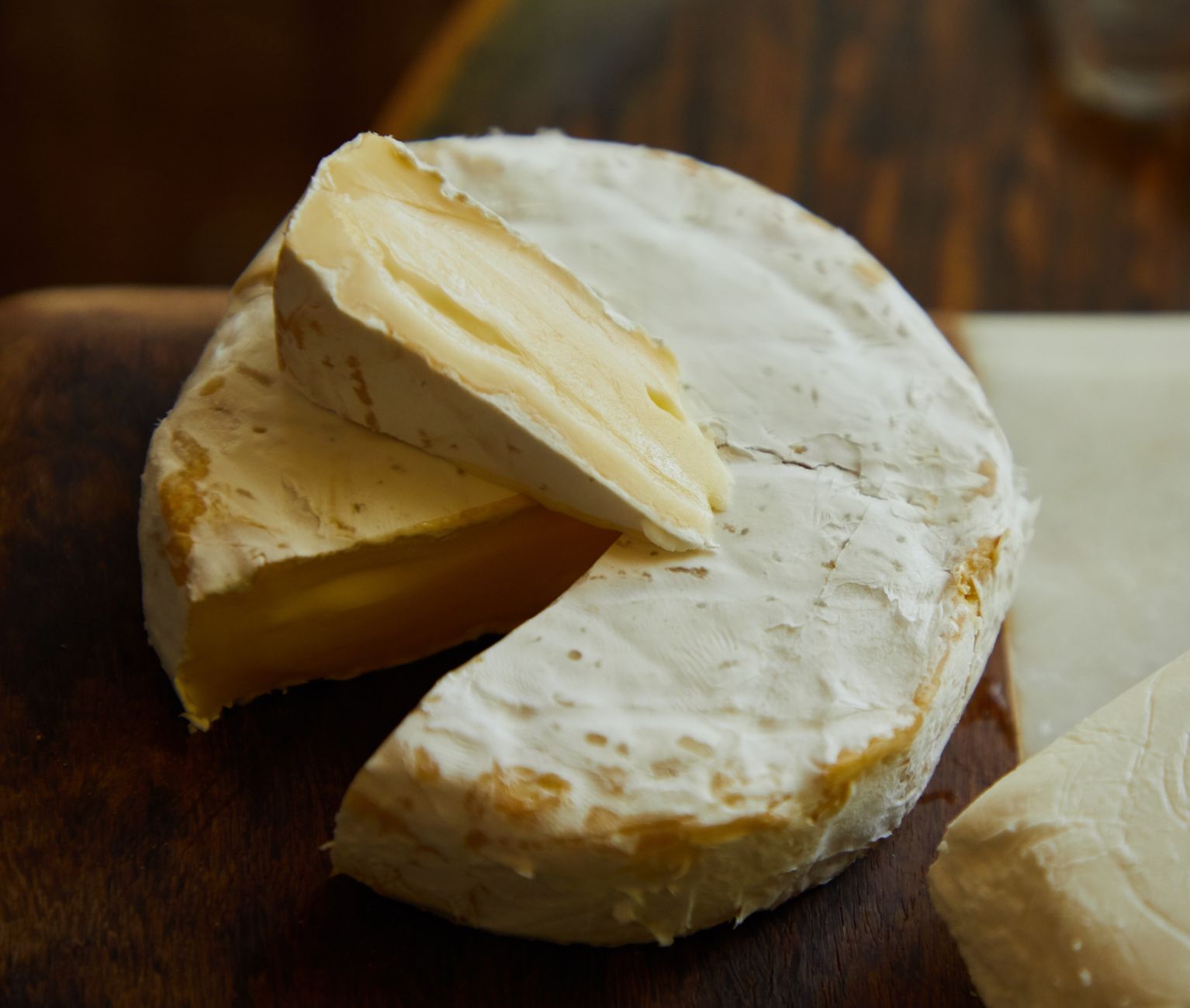
- Hard Cheeses: Varieties such as Gouda, Edam, and Brie can provide significant levels of Vitamin K2, around 70-100 micrograms per 100 grams, depending on the cheese.
- Soft Cheeses: Creamy cheeses like Camembert and blue cheese are also decent sources, providing about 40-60 micrograms per 100 grams.
- Butter: Particularly from pasture-raised cows, butter can contain 15-25 micrograms of Vitamin K2 per tablespoon.
Meat and Eggs
Animal products, especially organ meats and eggs, are excellent sources of Vitamin K2. Here’s a breakdown of notable sources:
- Chicken Liver: One of the richest sources of Vitamin K2, chicken liver can deliver around 150 micrograms per 100 grams.
- Beef Liver: Similarly, beef liver is a concentrated source of various nutrients, providing approximately 100 micrograms of K2 per 100 grams.
- Egg Yolks: An egg yolk contains around 30-50 micrograms of Vitamin K2. Choosing organic or pasture-raised eggs boosts the nutrient quality.
Fish and Seafood
Certain types of fish and seafood also provide Vitamin K2, contributing to a balanced intake. Some key options include:
- Salmon: Fatty fish like salmon offers approximately 50-100 micrograms of Vitamin K2 per 100 grams, depending on the preparation.
- Sardines: Packed with omega-3 fatty acids and Vitamin K2, sardines provide about 45 micrograms of K2 per 100 grams.
Nuts and Seeds
While not as rich in Vitamin K2 as other categories, some nuts and seeds can contribute small amounts:
- Walnuts: Deliver approximately 7 micrograms of Vitamin K2 per 100 grams, alongside healthy fats and protein.
- Pine Nuts: Provide around 2-3 micrograms per 100 grams, making them a beneficial addition to your diet.
Nutritional Breakdown of Vitamin K2 Foods
To better understand the nutritional impact of these foods, let’s examine their average content of Vitamin K2, along with other beneficial components and serving sizes:
| Food | Serving Size | Vitamin K2 Content (MCG) | Other Nutrients |
|---|---|---|---|
| Natto | 100g | 1,100 | Protein, probiotics |
| Kimchi | 100g | 100-170 | Vitamins A, C, fiber |
| Sauerkraut | 100g | 50-100 | Vitamins C, K, fiber |
| Gouda Cheese | 100g | 70-100 | Calcium, protein |
| Beef Liver | 100g | 100 | Vitamin A, iron |
| Egg Yolk | 1 large yolk | 30-50 | Protein, fat-soluble vitamins |
| Salmon | 100g | 50-100 | Omega-3 fatty acids, vitamin D |
How to Incorporate Vitamin K2 Foods Into Your Diet
Here are some practical meal examples and recipe ideas to help you introduce Vitamin K2-rich foods into your diet:
1. Breakfast Ideas
Start your day with a nutrient-packed breakfast that includes Vitamin K2 sources:
- Spinach and Cheese Omelet: Use eggs and top it with cheese (like Gouda) and sautéed spinach. Simply scramble eggs, add sautéed spinach and cheese, and fold until cooked.
- Overnight Oats with Yogurt: Combine oats, yogurt (preferably from grass-fed sources), and a sprinkle of chia seeds. Let it sit overnight for a delicious, probiotic-rich start.
2. Lunch Ideas
Your lunch can also be a great opportunity to enjoy Vitamin K2-rich foods:
- Salmon and Avocado Salad: Combine cooked salmon over a bed of greens with avocado slices, drizzled with a lemon vinaigrette.
- Kimchi Fried Rice: Stir-fry cooked rice with kimchi, eggs, and a splash of soy sauce for a tangy, filling meal.
3. Dinner Ideas
For dinner, elevate your meal with these Vitamin K2-infused dishes:
- Roasted Chicken with Sauerkraut: Serve roasted chicken thighs with a side of sauerkraut for authenticity and flavor. This provides protein alongside gut-friendly probiotics.
- Beef Stir-Fry: Sauté strips of beef liver with bell peppers and onions served over whole grain noodles, ensuring a flavorful, nutrient-rich dish.
4. Snack Ideas
Include snacks that contribute to your Vitamin K2 intake:
- Cheese Platter: Create a cheese board with assorted hard cheeses, nuts, and fruits for a balanced, indulgent treat.
- Deviled Eggs: Make deviled eggs using high-quality mayonnaise and a sprinkle of paprika for a protein-packed snack.
Practical Tips on Storage and Preparation
To maximize the benefits of Vitamin K2-rich foods, it’s essential to store and prepare them properly:
- Storage: Keep dairy products and eggs in the refrigerator to maintain freshness. Fermented foods should also be stored in airtight containers while refrigerated to maintain their probiotic qualities.
- Cooking Techniques: Light cooking is often sufficient to retain Vitamin K2 levels. Avoid overcooking vegetables such as spinach or cabbage, as prolonged heat can reduce nutrient density.
Common Mistakes to Avoid
When trying to increase your Vitamin K2 intake, here are some common pitfalls to avoid:
- Neglecting Fermented Foods: Don’t overlook the benefits of fermented foods. Including a variety helps maintain gut health and boosts Vitamin K2 intake.
- Focusing Solely on Leafy Greens: While essential, Vitamin K1 from leafy greens does not fulfill your Vitamin K2 needs. Diversify your sources to cover both types.
Conclusion
Vitamin K2 is an essential nutrient widely available in fermented foods, dairy products, meat, and certain fish. Incorporating these foods into your daily meals can enhance overall health. Be mindful of storage and cooking methods to maximize nutrient retention.
Consider exploring more about food sources of iron or the benefits of chia seeds to complement your nutritional knowledge and dietary choices.