
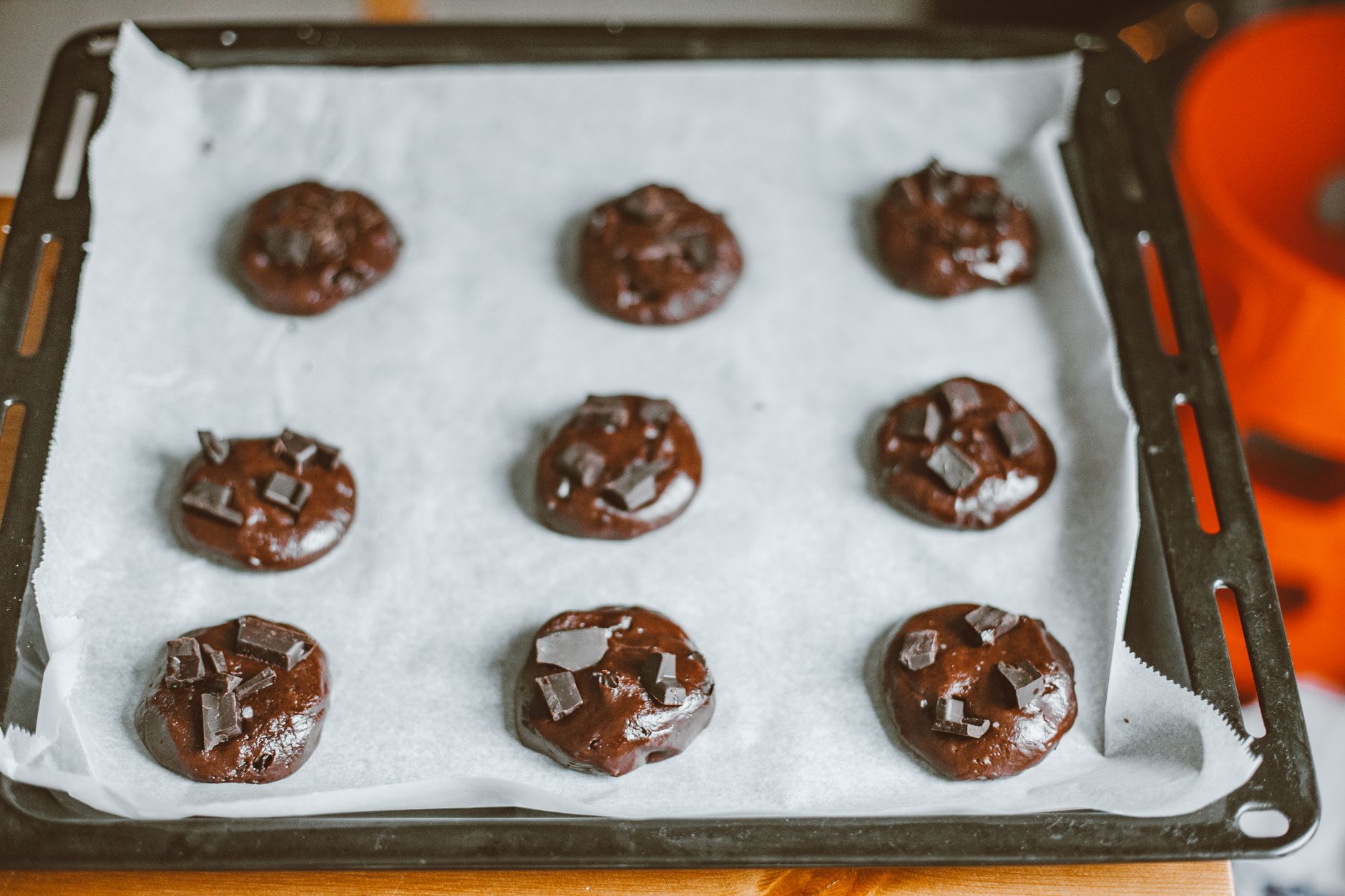
Baking cookies is a delightful activity that results in a sweet reward, but sometimes those treats do not come out as expected. One common issue many home bakers face is cookies that refuse to flatten. This may lead to a denser texture and unappealing appearance, leaving enthusiasts puzzled and frustrated.
Understanding the reasons behind cookies not flattening can help you troubleshoot, adjust your technique, and achieve the perfect balance of chewiness and crispness. This article explores the factors influencing cookie flattening, offering insights into each component of the cookie-making process.
Why Are My Cookies Not Flattening?
Cookies may not flatten due to several reasons, including the ingredients used, the mixing method, and oven temperature. Each factor plays a crucial role in how a cookie behaves in the oven, impacting its overall texture and appearance. Identifying these elements can empower you to make adjustments to achieve the desired outcome.
Understanding Cookie Ingredients
The ingredients in your cookie recipe directly influence how the cookies bake and whether they flatten. Here are the key ingredients to consider:
1. Flour Type and Amount
The type of flour you use can significantly affect cookie texture. All-purpose flour is the most common choice, but the presence of proteins affects gluten development. Too much flour can prevent adequate spreading.
- Measurement Accuracy: Make sure to measure flour correctly. Using a kitchen scale can provide more accurate measurements than volume, such as cups.
- Type of Flour: Choose all-purpose or cake flour instead of bread flour, which has higher protein content and can create denser cookies.
2. Butter Consistency
Butter plays a crucial role in cookie flattening. Room-temperature butter is essential because it creams well with sugar, creating air pockets that help the cookies spread. Using cold butter may lead to less spreading.
- Butter Temperature: Ensure the butter is softened by leaving it out at room temperature for at least 30 minutes before baking.
- Substitutes: If using margarine or shortening, know that they can impact spread as well. Shortening leads to cookies that may not flatten as much.
3. Sugar Types
The type and ratio of sugar you use also affect flattening. Granulated sugar promotes spreading due to its ability to dissolve easily, while brown sugar, with its higher moisture content, can lead to thicker cookies.
- Granulated vs. Brown Sugar: A combination of both sugars often yields the best results. If using only brown sugar, expect a denser cookie.
- Sugar Ratios: Adjust the ratios of sugar in your recipe—using more granulated sugar can enhance flattening.
4. Eggs
Eggs provide moisture and contribute to the overall structure of cookies. Using too many eggs can lead to cookies that do not spread as well.
- Size Matters: Make sure to use the correct size of eggs as specified in your recipe (large is standard).
- Whisking: Ensure eggs are well incorporated without overmixing, which can affect gluten formation.
5. Leavening Agents
Using too much or too little baking powder or baking soda can alter how a cookie spreads. Both agents help create the desired texture but need to be used in the right amounts.
- Check Freshness: Expired leavening agents may not provide the reactive properties needed for cookie flattening.
- Proportions: Follow the recipe accurately; too much baking soda can lead to overly puffy cookies.
Mixing Techniques
How you mix your cookie batter can also impact the flattening process. Properly incorporating ingredients ensures even distribution, thus affecting the texture of the cookies.
1. Creaming Method
The creaming method is common in many cookie recipes. It involves beating together the butter and sugar until light and fluffy. This process introduces air into the dough, aiding in spreading.
- Duration: Over-creaming can lead to cookies that are too airy and do not flatten properly. Aim for a light and fluffy consistency without excessive mixing.
2. Mixing Flour
When adding flour to the creamed mixture, mix until just combined. Over-mixing can develop gluten, leading to a thicker texture that resists flattening.
- Final Stages: Use a spatula or wooden spoon to gently fold in the flour to avoid overworking the dough.
Chilling the Dough
Chilling cookie dough is a common practice that can affect flattening. When dough is refrigerated, the fats solidify, which can slow spreading during baking.
- Recommended Chill Time: Most recipes suggest chilling for at least 30 minutes. However, longer chilling (up to overnight) can improve flavor and texture.
- Adjustment After Chilling: If the dough is too firm after chilling, let it sit out for a few minutes until it softens slightly to aid spreading.
Oven Temperature and Baking Time
The right oven temperature is essential for cookie baking. A temperature that is too low can lead to cookies not spreading, while too high can result in cookies baking too quickly without proper flattening.
1. Oven Calibration
Improperly calibrated ovens can yield inconsistent results. It’s worth investing in an oven thermometer to ensure your oven temperature is accurate.
2. Baking Temperature
Typical cookie baking temperatures range from 350°F to 375°F (175°C to 190°C). If cookies are baking at too low of a temperature, they may remain thick and not spread.
3. Baking Time
Pay attention to baking times. Undercooked cookies may appear soft and thick. Expected doneness is slightly golden around the edges but still soft in the center.
- Visual Cues: Look for the edges to set and a slight puff in the middle. If edges are over-browned, the temperature may be too high.
Common Mistakes and Troubleshooting
Understanding common mistakes can help identify problems in your cookie baking process, allowing you to make quick adjustments. Here are some frequent pitfalls:
1. Incorrect Measurements
One of the most common errors is incorrect measurement of ingredients, leading to too much flour or sugar. Always double-check measurements and, if possible, use a scale for precision.
2. Using Cold Ingredients
Utilizing cold butter or eggs can hinder the proper emulsification and mixing process, preventing cookies from spreading. Always allow ingredients to come to room temperature before use.
3. Skipping the Chilling Step
Chilling cookie dough is often recommended for better flavor and control over spreading. If omitted, cookies may spread too quickly or not at all.
4. Preheating the Oven
Always preheat the oven before baking cookies. Baking in a cold oven or attempting to multitask can lead to poor results.
5. Overbaking
It can be tempting to leave cookies in the oven too long to ensure they are fully baked. Underbaked cookies may appear puffy but will settle into shape as they cool.
Possible Ingredient Substitutions
Sometimes, you may wish to tweak recipes based on available ingredients. Here are some substitutions to consider and how they might affect flattening:
1. Butter Substitutes
- Margarine: It may work in place of butter, though it often leads to cookies that don’t spread as well.
- Coconut Oil: This can be used, but cookies tend to have a denser texture.
2. Alternative Flours
- Whole Wheat Flour: Can make cookies denser and heavier. Combine with all-purpose flour for a better outcome.
- Gluten-Free Flours: A gluten-free flour blend can offer results similar to traditional flours, but it may not flatten as effectively.
3. Sweetener Alternatives
- Honey or Maple Syrup: These liquid sweeteners can alter the texture and moisture of cookies. Reduce other liquid components accordingly.
- Coconut Sugar: This can be used, leading to a slightly different flavor and texture.
Tips for Successful Cookie Baking
To achieve cookie success, consider these practical tips:
- Use parchment paper or silicone baking mats to help with an even bake and prevent sticking.
- For even spreading, bake cookies at the center of the oven and avoid crowding the baking sheets.
- Rotate baking sheets halfway through baking for uniform results.
- Experiment with small batches to monitor how changes impact cookie behavior without wasting ingredients.
Storage and Make-Ahead Tips
If you plan to make cookies in advance or store leftovers, consider these tips:
1. Dough Storage
Cookie dough can be frozen for future baking. Once prepared, shape into balls and store in an airtight container or freeze them on a baking sheet before transferring to a bag.
2. Baked Cookie Storage
Store baked cookies in an airtight container at room temperature for up to a week. If needed longer, freeze cookies in a single layer, then store them in an airtight container.
Conclusion
Understanding why cookies may not flatten involves considering a range of factors, from ingredients and mixing techniques to baking conditions. By adjusting these elements, you can improve your cookie making and achieve the perfect balance of texture and flavor. Start experimenting with these tips and tricks during your next baking session!
For more insights into baking techniques, explore our articles on bleached vs. unbleached flour and the role of shortening in baking.