
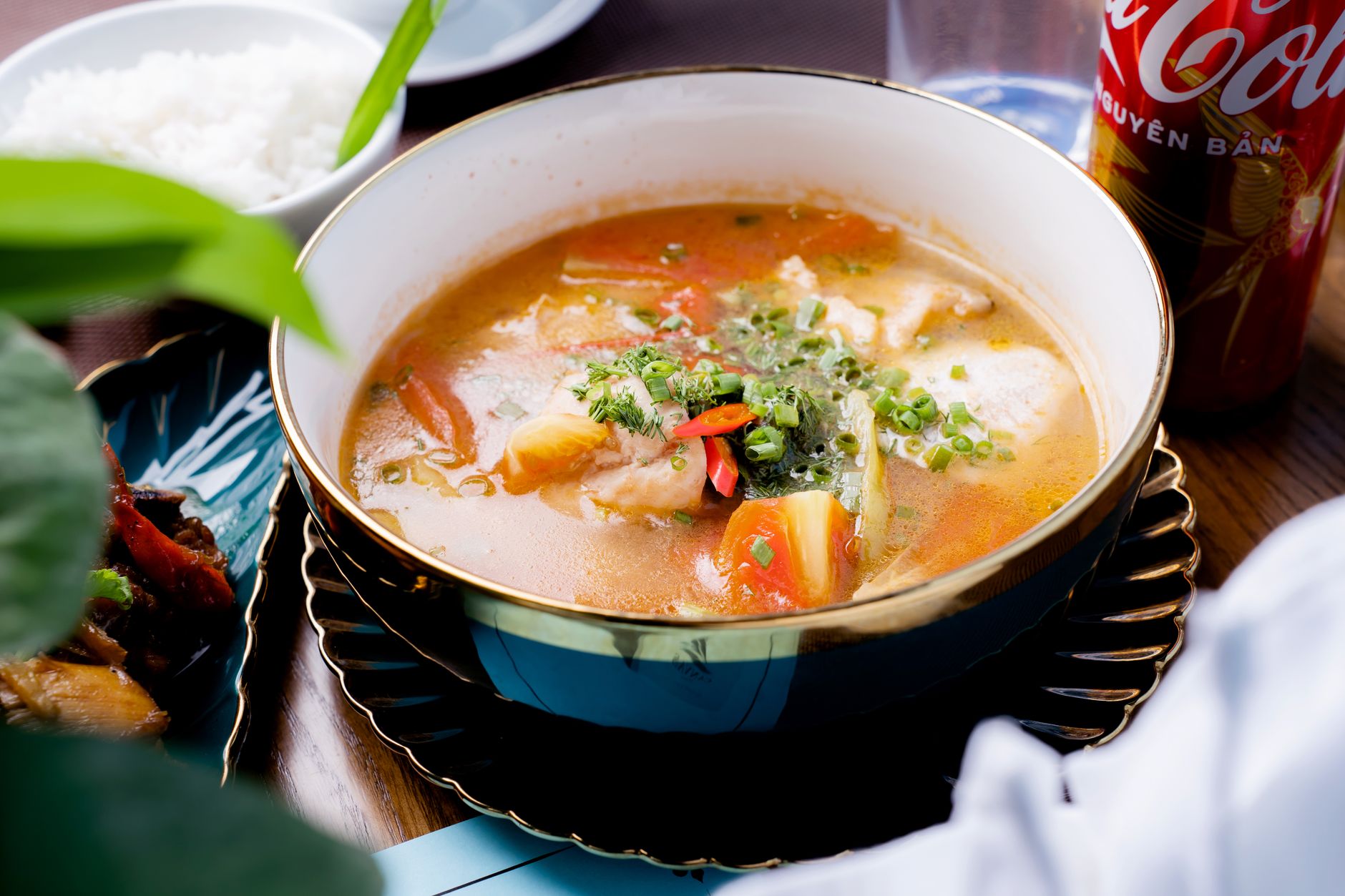
Monosodium glutamate, commonly known as MSG, often sparks debate among food enthusiasts and health-conscious individuals alike. This flavor enhancer is widely used in various cuisines to intensify taste and add umami, the savory essence that’s often described as the fifth taste. In this article, we will explore what MSG is, its culinary uses, and some practical serving ideas.
Understanding MSG is essential for both home cooks and professional chefs. Whether you want to enhance the flavor of your dishes or are simply curious about its safety and applications, this comprehensive guide provides all the details you need.
What Is MSG?
MSG, or monosodium glutamate, is a sodium salt of glutamic acid, an amino acid that occurs naturally in many foods. It is often used as a food additive to enhance flavors, particularly in savory dishes. Originating from a Japanese scientist’s discovery in the early 20th century, MSG has since made its way into kitchens around the world.
Despite misconceptions, MSG is not an artificial chemical; it’s actually derived from fermenting starch, sugar beets, sugar cane, or molasses. When added to food, MSG can amplify the taste, making dishes more flavorful and appealing.
How Is MSG Used in Cooking?
MSG is primarily used to enhance the umami taste in a wide variety of dishes. It’s often found in processed foods, snacks, and seasoning blends, but it can also be independently added during cooking. Here are some common culinary applications:
- Soups: Adding MSG to soups and broths can provide depth and richness.
- Meat Dishes: MSG enhances meaty flavors in steaks, casseroles, and stir-fries.
- Snacks: Many chips and savory snacks contain MSG for that irresistible taste.
- Dips and Sauces: Incorporating MSG into dips or sauces can elevate their flavor.
- Vegetables: Sprinkling MSG on vegetables can help enhance natural flavors.
Flavor Profile of MSG
The flavor profile of MSG is primarily characterized by its umami taste, which describes a savory and rich flavor. Unlike salt, which primarily enhances overall flavor, MSG enhances specific notes, especially in savory dishes. This characteristic makes it particularly popular in Asian cuisine, including Chinese dishes, where it is widely used to elevate meaty flavors.
It’s important to note that MSG is not meant to be tasted directly. Instead, it enhances the overall flavor of food, and when used in moderation, it can bring out the best in various ingredients without overwhelming other flavors.
MSG and Health Considerations
There are many myths surrounding MSG’s safety and health effects. Regulatory agencies, including the FDA, have deemed MSG safe for consumption. Studies have shown that, while some individuals may experience a short-term reaction to high doses of MSG, it is generally recognized as safe for the general population.
Commonly referred to as “Chinese restaurant syndrome,” some people report symptoms such as headaches or nausea after consuming products containing MSG. However, these reactions are not universally experienced and are largely anecdotal. Most research suggests that MSG is well tolerated by the majority of individuals.
Where to Buy MSG
MSG can be found in various stores, from large supermarket chains to specialty Asian markets. It is often sold in the spice or seasoning aisle, and you might find it labeled as monosodium glutamate or under brand names like Ajinomoto. Alternatively, MSG is also available online in different quantities, providing convenient options for both home cooks and culinary professionals.
How to Use MSG in Your Kitchen
Using MSG in cooking is straightforward, but moderation is key. Here’s a step-by-step guide for incorporating MSG effectively:
- Start Small: Begin with a small amount. A pinch or 1/4 teaspoon can usually enhance the flavor of dishes without overwhelming them.
- Mix with Other Seasonings: MSG works well when combined with other spices and herbs, such as garlic, onion powder, or black pepper.
- Add at the Right Time: To benefit fully from its flavor-enhancing properties, add MSG towards the end of cooking or just before serving.
- Taste and Adjust: After adding MSG, taste your dish and adjust the seasoning as necessary. This step ensures balance and prevents oversalting.
Serving Ideas with MSG
Here are some practical serving ideas that utilize MSG to enhance flavor in various dishes:
1. Flavorful Soups
When preparing soups, adding a small amount of MSG can transform a simple vegetable broth into a savory delight. Consider using MSG in minestrone, chicken noodle, or miso soup to elevate the overall flavor profile.
2. Enhanced Meat Marinades
Incorporate MSG into your marinades for grilled or roasted meats. This step not only boosts flavor but also helps tenderize the meat. Mix it with soy sauce, garlic, and ginger for an umami-packed marinade.
3. Savory Vegetable Dishes
Sprinkle MSG over steamed or sautéed vegetables like broccoli, Brussels sprouts, or peas to intensify their natural flavors. This is especially effective in stir-fries or vegetable sautés.
4. Robust Sauces and Dips
Enhance the depth of flavor in sauces or dips by adding a dash of MSG. Whether it’s a cheesy dip or a tomato sauce, MSG can add that extra layer of savoriness.
5. Snack Enhancements
Consider using MSG when preparing homemade snacks like popcorn, roasted nuts, or spiced chips. Season your snacks right after cooking to ensure the MSG adheres properly.
Practical Substitutions and Tips
If you prefer to avoid MSG or need alternatives, here are some options that can provide similar flavor-enhancing characteristics:
- Sea Salt: Sea salt enhances flavor but doesn’t provide the umami boost of MSG. Use it in larger quantities for similar flavor enhancement.
- Hydrolyzed Vegetable Protein: This component often contains naturally occurring glutamates, similar to MSG.
- Inosinate and Guanylate: These compounds, found in various foods, can enhance umami flavors effectively. They are often used in conjunction with MSG in some products.
- Mushroom Powder: Dried mushroom powder contains natural umami and can serve as a substitute for MSG, with its earthy flavors.
Common Mistakes to Avoid When Using MSG
While using MSG can elevate your dishes, a few pitfalls can lead to less-than-desirable outcomes:
- Overuse: Using too much MSG can overpower a dish, leading to a salty or artificial taste. Always start with a small amount.
- Not Tasting: Failing to taste after adding MSG can result in a dish that lacks balance. Always check your flavors before serving.
- Using as a Substitute for Salt: While MSG can enhance flavors, it should not be used as a direct substitute for salt. Consider it a complementary seasoning.
Storage and Shelf Life of MSG
Storing MSG properly is essential to maintain its quality. Keep it in a cool, dry place in an airtight container to prevent moisture, which can lead to clumping. When properly stored, MSG can last indefinitely, providing a long shelf life.
However, it’s always advisable to check for any unusual smells or discoloration before using. If the MSG looks or smells off, it’s best to discard it.
Conclusion
MSG is a versatile flavor enhancer that can elevate your dishes through its umami-rich properties. Understanding how to integrate it into your cooking can provide you with the ability to create more flavorful meals, all while respecting any dietary preferences and considerations.
Explore more food guides and cooking tips to enhance your culinary experience as you expand your kitchen skills. Discover practical substitutes for herbs at good substitutes for rosemary, or learn about alternatives for sweeteners at substitutes for vanilla extract. Each of these resources can help you adapt to different cooking needs and preferences.