
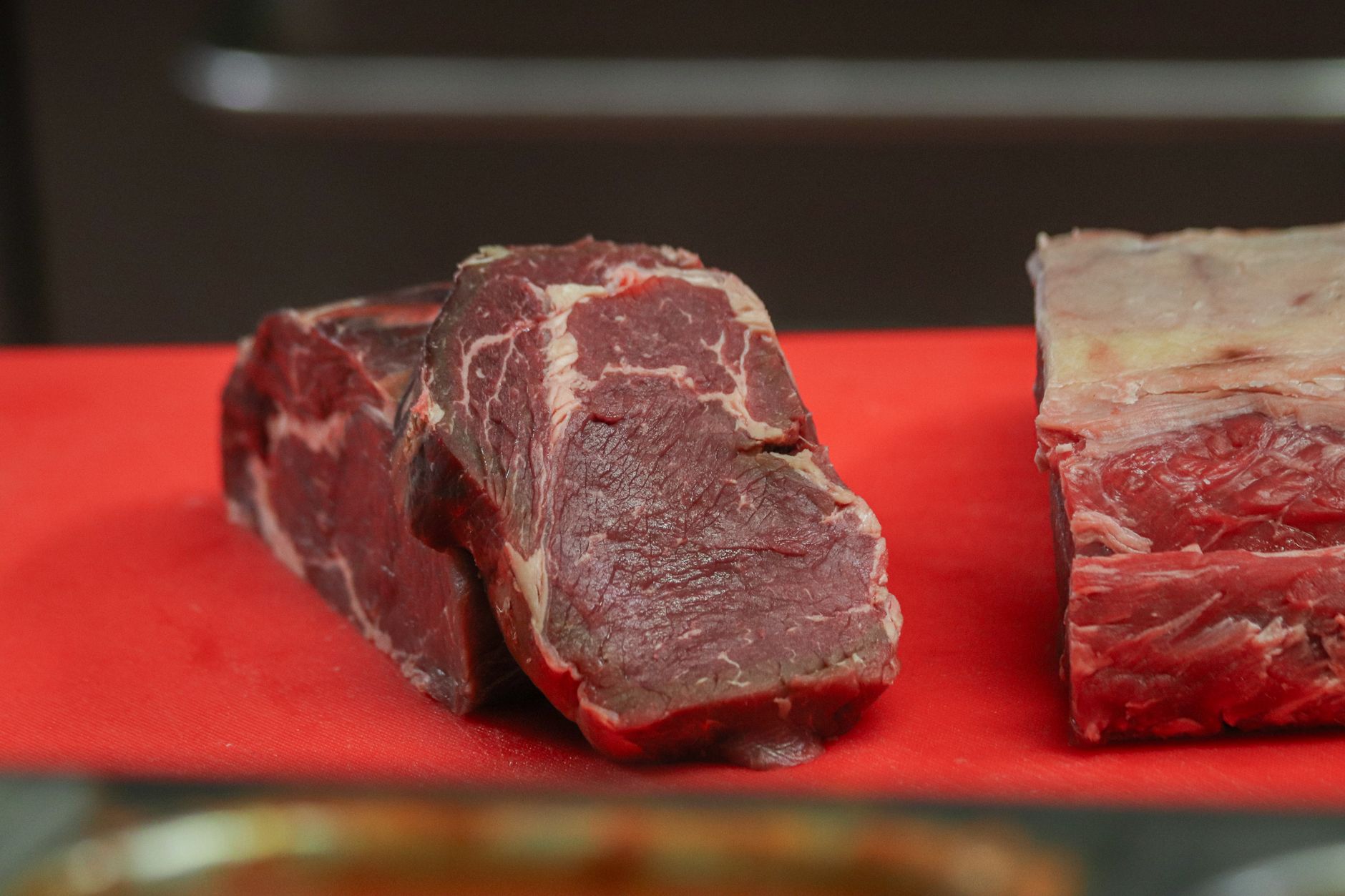
Beef is a staple in many kitchens across the United States, cherished for its rich flavors and versatility in cooking. Understanding which state produces the most beef can help you appreciate the source of this popular ingredient and guide your purchasing decisions. In this article, we explore the top beef-producing states, the types of beef they produce, and practical kitchen uses that can elevate your meals.
From ground beef in hearty recipes to premium cuts for grilling, knowing where your beef comes from enhances your cooking experience. Let’s dive into the beef landscape of America and understand how to utilize this beloved ingredient effectively.
Which State Produces The Most Beef?
Texas consistently ranks as the largest beef producer in the United States. With its vast ranchlands and favorable climate for cattle grazing, Texas produces more beef than any other state, accounting for around 13% of the nation’s beef production. Other significant contributors include Nebraska, Kansas, and Colorado.
The Beef Landscape in the United States
The beef industry in the U.S. includes various breeds and types of beef. Understanding these can help you make informed choices in your kitchen. Here’s a breakdown of key beef-producing states and what they offer:
- Texas: Known for its high-quality Angus and Hereford cattle, Texas beef is characterized by marbling and tenderness. The state’s size allows for diverse beef types, from ground beef to premium cuts.
- Nebraska: Famous for its corn-fed beef, Nebraska produces a lot of premium cuts like ribeye and filet mignon. The marbling in Nebraska beef is often considered among the best in the country.
- Kansas: This state is known for its high-quality beef as well, with a focus on both grass-fed and grain-finished options that yield tender and flavorful meat.
- Colorado: Renowned for its grass-fed beef, especially from the Rocky Mountain region. Colorado cattle are often raised in open pastures, which contributes to their unique flavor.
Types of Beef and Their Kitchen Uses
Understanding the different types of beef can be beneficial for selecting the right cuts for your cooking needs. Here’s a rundown of popular beef cuts and how they can be utilized in your kitchen:
1. Ground Beef
Ground beef is versatile and essential for many recipes. It can be used in:
- Burgers: Shape into patties for the classic American burger.
- Tacos: Season with spices for delicious beef tacos.
- Meatloaf: Mix with breadcrumbs and seasonings for a comforting meatloaf.
2. Steaks
Steaks are perfect for grilling or pan-searing. Common types include:
- Ribeye: Known for its rich marbling, ideal for grilling.
- Sirloin: Leaner than ribeye but still flavorful, great for stir-frying.
- Filet Mignon: Tender and buttery; perfect for special occasions.
3. Roasts
Roasts are excellent for slow cooking and can be served with sides. Popular options include:
- Chuck Roast: Ideal for pot roasts; it’s flavorful and tender when cooked low and slow.
- Brisket: Often used in barbecue or slow-cooked dishes. Perfect for sandwiches.
Cooking Techniques for Beef
Cooking beef successfully requires understanding various cooking techniques and the best methods suited to different cuts. Here are some popular techniques:
Grilling
Grilling is a favorite for steaks. Here’s how to achieve great results:
- Preheat your grill to high heat.
- Season the steaks with salt and pepper, allowing them to come to room temperature.
- Place steaks on the grill; do not move them for several minutes to obtain grill marks.
- Flip and reduce heat to medium for continued cooking.
- Use a meat thermometer to check for doneness: 135°F for medium-rare, 145°F for medium.
Searing and Roasting
Searing beef before roasting can add flavor. The steps include:
- Preheat your oven to 375°F.
- Heat a skillet over medium-high heat and add oil.
- Sear all sides of the roast until browned.
- Transfer the skillet to the oven and roast until the desired internal temperature is reached.
- Let the meat rest before slicing to retain juices.
Slow Cooking
Slow cooking is perfect for tougher cuts. Use these steps:
- Season the beef and brown it in a skillet.
- Transfer it to a slow cooker with vegetables and broth.
- Cook on low for 6-8 hours or until tender.
Practical Substitutions and Variations
When working with beef, several substitutions can help accommodate dietary preferences or availability. Here’s a list of common substitutions:
- Ground Beef: Substitute with ground turkey or chicken for a leaner option.
- Steak: Use portobello mushrooms as a vegetarian alternative in some recipes.
- Beef Broth: Vegetable broth can replace beef broth in soups and sauces for a lighter option.
Common Mistakes and Troubleshooting
Cooking beef can be straightforward, but common mistakes can ruin your dish. Here are some tips to avoid pitfalls:
- Do not overcrowd the pan when searing; this hinders browning.
- Avoid cutting into the meat before it rests. Let it rest to keep the juices intact.
- Use a meat thermometer to ensure accurate doneness and avoid overcooking.
Storage and Reheating Guidance
Proper storage and reheating of beef are crucial for safety and flavor retention. Follow these guidelines:
- Store cooked beef in an airtight container in the refrigerator for up to 3-4 days.
- Freeze raw beef if you don’t plan to use it within a few days, ensuring it’s tightly wrapped.
- Reheat cooked beef thoroughly to an internal temperature of 165°F.
Popular Beef Recipes to Try
Now that you’re equipped to cook beef properly, why not try some delicious recipes? Here are a few popular ideas:
- Beef Stew – A comforting dish perfect for using tougher cuts!
- Chili – A hearty and spicy crowd-pleaser featuring ground beef.
Conclusion
Understanding which state produces the most beef and the characteristics of various cuts can enrich your cooking experience. With various cooking techniques and substitutions, you can create delicious beef dishes that cater to different tastes and occasions. Next time you choose beef, consider its origin and make use of this versatile and widely-loved ingredient!
For more tips and culinary inspiration, explore related recipes or cooking guides that delve deeper into different food topics or techniques.