
Nothing beats the aroma of beef stew simmering on the stove, filling your kitchen with the scent of warm spices and tender meat. A truly great beef stew lives and dies by its seasoning blend, and making your own beef stew seasoning recipe puts you in complete control of the flavor profile.
Store-bought packets pale in comparison to this homemade version, which delivers depth, warmth, and complexity without any mystery ingredients or excessive salt. Whether you’re a weeknight cook or someone who loves hosting friends around a steaming bowl, this seasoning mix transforms basic beef stew into something memorable.
Why You’ll Love This Recipe
This beef stew seasoning recipe gives you restaurant-quality flavor at a fraction of the cost. You control every ingredient, every spice ratio, and every flavor note.
- Costs pennies to make compared to seasoning packets
- No artificial fillers, preservatives, or hidden sodium
- Works perfectly with fresh beef stew or stored in a jar for later
- Versatile enough for soups, roasted vegetables, and ground beef dishes
- Tastes noticeably richer and more complex than commercial blends
My Experience Making This Recipe
I stumbled onto making my own seasoning blend years ago when I ran out of the packaged stuff midway through cooking stew for a dinner party. Rather than panic, I grabbed dried herbs and spices from my cabinet and mixed them on the fly.
The result surprised everyone at the table. My guests asked what brand I used, genuinely convinced I’d bought something fancy. That moment taught me that simple, quality ingredients layered thoughtfully beat convenience every single time.
Now I batch this seasoning mix and keep a jar in my pantry year-round. It’s become my go-to for any beef stew, and I’ve shared the recipe with more friends than I can count.
Recipe Overview
- Recipe Name: Beef Stew Seasoning Recipe
- Servings: Makes enough for 8 to 10 servings of stew (about 1/4 cup seasoning mix)
- Prep Time: 10 minutes
- Cook Time: 0 minutes (dry spice blend)
- Total Time: 10 minutes
- Course: Seasoning Mix
- Cuisine: American/International
- Calories per Serving: 15 (per tablespoon of seasoning blend)
Equipment You Will Need
- Small mixing bowl
- Measuring spoons
- Whisk or fork
- Airtight spice jar or container
- Spoon for stirring
- Label and marker (optional but recommended)
Ingredients for Beef Stew Seasoning Recipe
- 2 tablespoons dried thyme
- 2 tablespoons dried rosemary
- 1 tablespoon dried oregano
- 1 tablespoon garlic powder
- 1 tablespoon onion powder
- 2 teaspoons black pepper
- 2 teaspoons smoked paprika
- 1 teaspoon sea salt
- 1 teaspoon dried mustard powder
- 1/2 teaspoon cayenne pepper
- 1/2 teaspoon ground bay leaf
Ingredient Notes and Substitutions
- Dried thyme forms the backbone of beef stew seasoning, delivering an earthy, subtle flavor that plays well with beef. Fresh thyme works in a pinch, but use triple the amount since fresh herbs are mostly water.
- Dried rosemary adds woody warmth and pairs beautifully with beef and root vegetables. Tarragon offers a lighter, slightly sweet alternative if you prefer less intensity.
- Dried oregano rounds out the herbal profile without overpowering. Marjoram tastes milder if you want to dial back the spice presence.
- Garlic powder concentrates garlic flavor into a powder form that blends evenly throughout the stew. Fresh minced garlic works, but it won’t distribute as uniformly in the dry mix.
- Onion powder echoes garlic powder’s role in delivering savory depth without adding moisture. You can skip it, but your seasoning blend will taste flatter.
- Black pepper adds bite and complexity. Freshly ground black pepper tastes sharper than pre-ground, so adjust to your preference.
- Smoked paprika contributes a subtle smokiness that mimics slow-cooked depth. Regular paprika works but delivers less character; you’ll miss that extra dimension.
- Sea salt balances sweetness and amplifies other flavors. Kosher salt works fine; use slightly more since it’s coarser than sea salt.
- Dried mustard powder lends a tangy undertone that brightens the whole blend. Omit it if you dislike mustard, though the stew will taste less complex.
- Cayenne pepper brings gentle heat without overwhelming the dish. Start with half a teaspoon and add more if you enjoy spicier food.
- Ground bay leaf delivers a subtle floral note that ties everything together. Omit if you can’t find it; the stew still works without it.
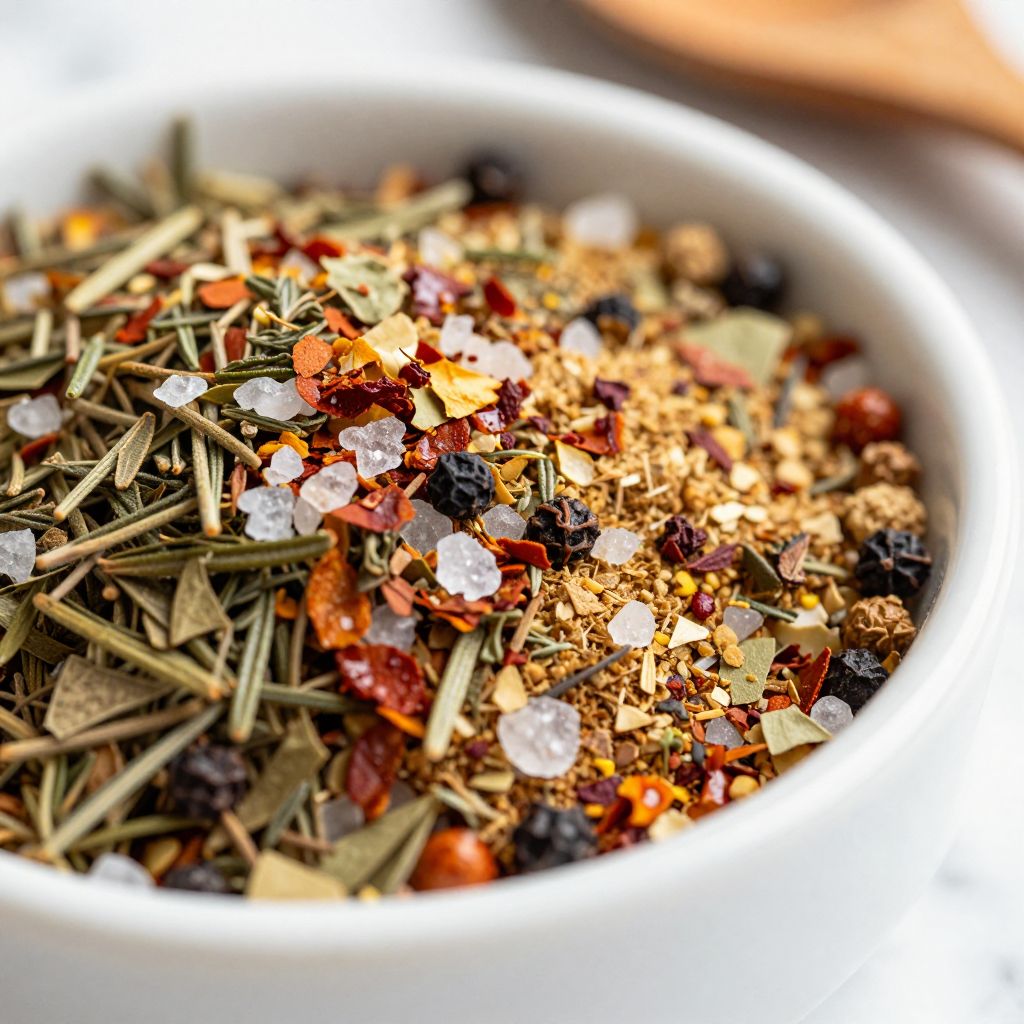
How to Make Beef Stew Seasoning Recipe
Step 1: Gather Your Dried Herbs
Pull out your dried thyme, rosemary, and oregano first. These three form the herbal foundation of your seasoning, so make sure they smell fresh and vibrant, not dusty or stale.
Step 2: Measure the Dried Herbs Accurately
Use measuring spoons to portion out 2 tablespoons of dried thyme and 2 tablespoons of dried rosemary into your mixing bowl. Add 1 tablespoon of dried oregano. Measuring by weight on a kitchen scale ensures consistency, but spoons work fine for home cooking.
Step 3: Add Your Aromatic Powders
Measure 1 tablespoon each of garlic powder and onion powder into the bowl. These powders distribute the savory backbone throughout your seasoning blend, preventing any clumpy spots of concentrated flavor.
Step 4: Mix in the Spices
Add 2 teaspoons of freshly ground black pepper, 2 teaspoons of smoked paprika, and 1 teaspoon of dried mustard powder. The smoked paprika contributes complexity that cheap seasoning packets lack entirely.
Step 5: Add Salt and Heat
Stir in 1 teaspoon of sea salt and 1/2 teaspoon of cayenne pepper. Start conservatively with the cayenne; you can always add more heat next time if you want it spicier.
Step 6: Include the Finishing Touches
Add 1/2 teaspoon of ground bay leaf to round out the blend. Ground bay leaf whispers a subtle floral complexity that makes people wonder what makes your stew taste different from everyone else’s.
Step 7: Whisk Everything Together Thoroughly
Use a whisk or fork to combine all ingredients until the spices and powders distribute evenly throughout. This takes about one to two minutes of vigorous stirring to break up any clumps and ensure consistent flavor in every teaspoon you use.
Step 8: Transfer to a Jar for Storage
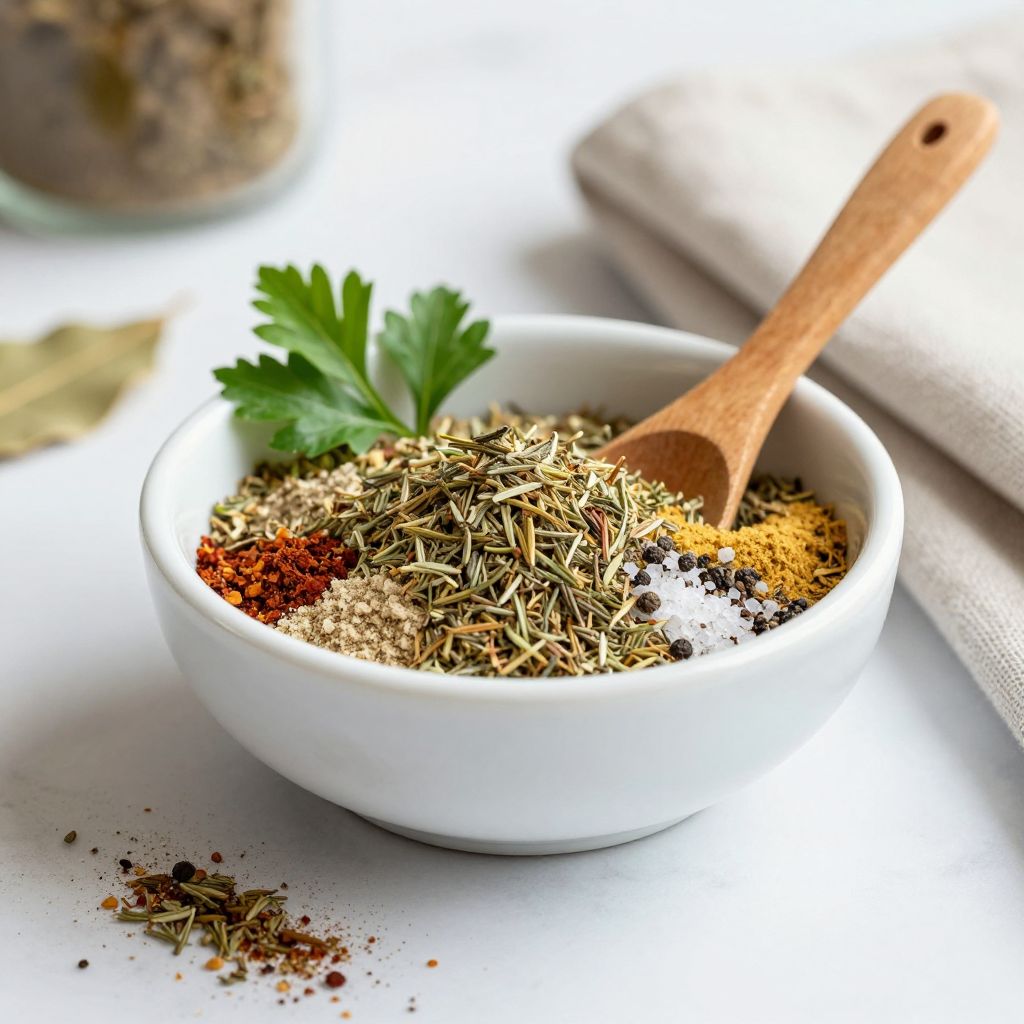
Spoon your finished seasoning blend into an airtight spice jar or container. Label it with the date and contents so you remember exactly what you’re grabbing when stew-making time comes around.
Pro Tip: Store your beef stew seasoning in a cool, dark, dry place away from direct sunlight and heat sources, and it will stay fresh and potent for up to six months.
Tips for the Best Beef Stew Seasoning Recipe
- Buy your spices from a bulk bin if possible; they’re fresher and cheaper than bottled versions that have sat on grocery store shelves for months. Fresher spices deliver noticeably brighter flavor.
- Toast your dried herbs in a dry skillet for two to three minutes before mixing if you want extra intensity. This step wakes up the oils in the herbs and deepens their flavor.
- Use this seasoning blend immediately in your beef stew, or store it for later in an airtight jar. For one pot of beef stew, use about 2 to 3 tablespoons of the seasoning blend.
- Double or triple the recipe and keep jars in your pantry, fridge, and freezer for maximum convenience. You’ll reach for this blend constantly once you taste how much better it is than store-bought.
- Adjust the ratio of herbs to suit your taste. If you love rosemary more than thyme, shift the balance; this is your seasoning, not a rigid formula.
Common Mistakes to Avoid
- Using old, stale spices from the back of the cabinet defeats the entire purpose of making your own blend. Stale spices taste papery and weak, so buy fresh dried herbs if yours have been sitting unused for years.
- Over-salting the blend leads to overly salty stew since you add both the seasoning and salt directly to the pot. Measure salt conservatively and taste your finished stew before adding more.
- Skipping the whisking step leaves clumpy garlic and onion powder that don’t distribute evenly. Take the minute to whisk thoroughly so every spoonful tastes consistent.
- Storing the seasoning in clear jars exposed to light or heat speeds up flavor degradation. Keep your jar in a dark cupboard away from the stove for maximum freshness.
- Forgetting to label your jar means you’ll stand in the kitchen later wondering what’s inside and when you made it. Grab a label and marker to save yourself this annoying moment.
Serving Suggestions
Use this seasoning blend to create rich, deeply flavored beef stew that tastes like it simmered all day. Pair your finished stew with crusty bread, creamy potatoes, or fresh vegetables for a complete meal.
- Serve with thick slices of toasted sourdough bread for dunking
- Pair with creamy mashed potatoes or buttered egg noodles
- Serve in bread bowls for an impressive presentation
- Add roasted root vegetables like carrots, parsnips, and turnips to the stew
- Top with fresh parsley and a dollop of sour cream for brightness
Variations to Try
- Add 1 teaspoon of ground coriander for a warm, slightly citrusy note that pairs beautifully with beef. This swap adds complexity without changing the overall character of your blend.
- Increase the smoked paprika to 1 tablespoon and reduce the black pepper for a smokier, less peppery flavor profile. This variation works beautifully if you love deep, barbecue-inspired notes.
- Mix in 1 teaspoon of ground cumin and 1/2 teaspoon of ground ginger for a subtle warm spice sensation. This version leans more toward comfort food with a gentle global twist.
- Add 1/2 teaspoon of dried lavender buds for a floral undertone that softens the earthiness. This unconventional variation tastes sophisticated and works surprisingly well with beef.
- Boost the cayenne to 1 full teaspoon and add 1/2 teaspoon of ground clove for a spicier, more complex heat. This variation suits adventurous palates and those who enjoy bold flavors.
Dietary Adaptations
- Gluten-free: This seasoning blend is naturally gluten-free, but verify your spice containers are certified gluten-free to avoid cross-contamination in packaged spices.
- Dairy-free: The seasoning blend contains no dairy, so your beef stew using this blend is naturally dairy-free unless you add cream or butter separately.
- Vegan and vegetarian: Use this seasoning with mushrooms, lentils, or beans instead of beef for a satisfying vegetarian stew that tastes equally rich and complex.
- Low-carb and keto: This seasoning contains virtually zero carbs, making it perfect for keto beef stew made with fatty beef cuts and low-carb vegetables like mushrooms and celery.
Storage and Reheating
Refrigerator
Store your dry seasoning blend in an airtight spice jar in the refrigerator for up to one year. The cool temperature preserves the aromatic oils in the dried herbs longer than room temperature storage.
- Keep the jar sealed tightly between uses
- Label with the date you made the blend
- Check the aroma before using; if it smells faint or musty, discard and make a fresh batch
Freezer
Freezing your seasoning blend extends its life significantly without affecting flavor or texture. Wrap the jar in plastic wrap or place it in a freezer-safe bag for extra protection.
- Freeze for up to two years with minimal flavor loss
- No need to thaw before using in your stew
- Make triple batches and freeze extras for long-term convenience
Reheating
This is a dry seasoning blend, so there’s no reheating involved. Simply measure out the amount you need and add it directly to your beef stew pot or other dishes.
- Add the seasoning to cold stew and let it warm together so flavors meld
- For a quicker method, dissolve the seasoning in a bit of warm beef broth before stirring into your stew
- Taste the stew before serving and adjust seasoning if needed
Nutrition Information
| Nutrient | Amount |
|---|---|
| Calories | 15 |
| Total Fat | 0.3g |
| Saturated Fat | 0.1g |
| Carbohydrates | 2.8g |
| Fiber | 0.5g |
| Sugar | 0.1g |
| Protein | 0.6g |
| Sodium | 280mg |
| Cholesterol | 0mg |
These values are per tablespoon of the dry seasoning blend. The actual nutritional content of your finished beef stew will depend on the beef, broth, and vegetables you add.
Frequently Asked Questions
Can I use fresh herbs instead of dried herbs in this seasoning recipe?
Fresh herbs contain significantly more water than dried ones, so you’d need to use triple the amount and your blend would be wet rather than dry. Stick with dried herbs for this particular recipe; they’re designed for dry seasoning blends.
How much of this seasoning blend should I use in one pot of beef stew?
Use 2 to 3 tablespoons of the seasoning blend per pot of beef stew containing 4 to 6 pounds of beef. Always taste your finished stew and adjust the seasoning upward if needed, but you can’t remove seasoning once added.
Can I make this seasoning blend ahead and store it for months?
Yes, you can make it up to three months ahead and store it in an airtight jar in your pantry. For longer storage beyond three months, refrigerate or freeze the blend to preserve maximum flavor.
What’s the difference between smoked paprika and regular paprika in this blend?
Smoked paprika is treated with smoke during processing, adding a deep, barbecue-like flavor that regular paprika lacks. If you only have regular paprika, your stew will taste lighter and less complex, but it still works.
Can I use this beef stew seasoning recipe for other dishes besides stew?
Absolutely. This blend works beautifully on roasted vegetables, in chili, on ground beef, in soups, or as a rub for grilled or roasted beef. One batch gives you versatility across many dishes.
Final Thoughts
Making your own beef stew seasoning recipe takes ten minutes and costs mere pennies compared to store-bought packets. Once you taste the difference in your finished stew, you’ll never go back to commercial blends again.
Keep a jar of this seasoning in your pantry and reach for it whenever you want beef stew that tastes restaurant-quality. Your friends and family will taste the care in your cooking, and you’ll have a secret ingredient that ties everything together.
Explore more savory seasoning blends to expand your kitchen arsenal. Try our chili seasoning recipe for bold, spiced chili nights, or master our steak seasoning recipe for perfectly crusted grilled and pan-seared beef that rivals any steakhouse.
Beef Stew Seasoning Recipe
Ingredients
Equipment
Method
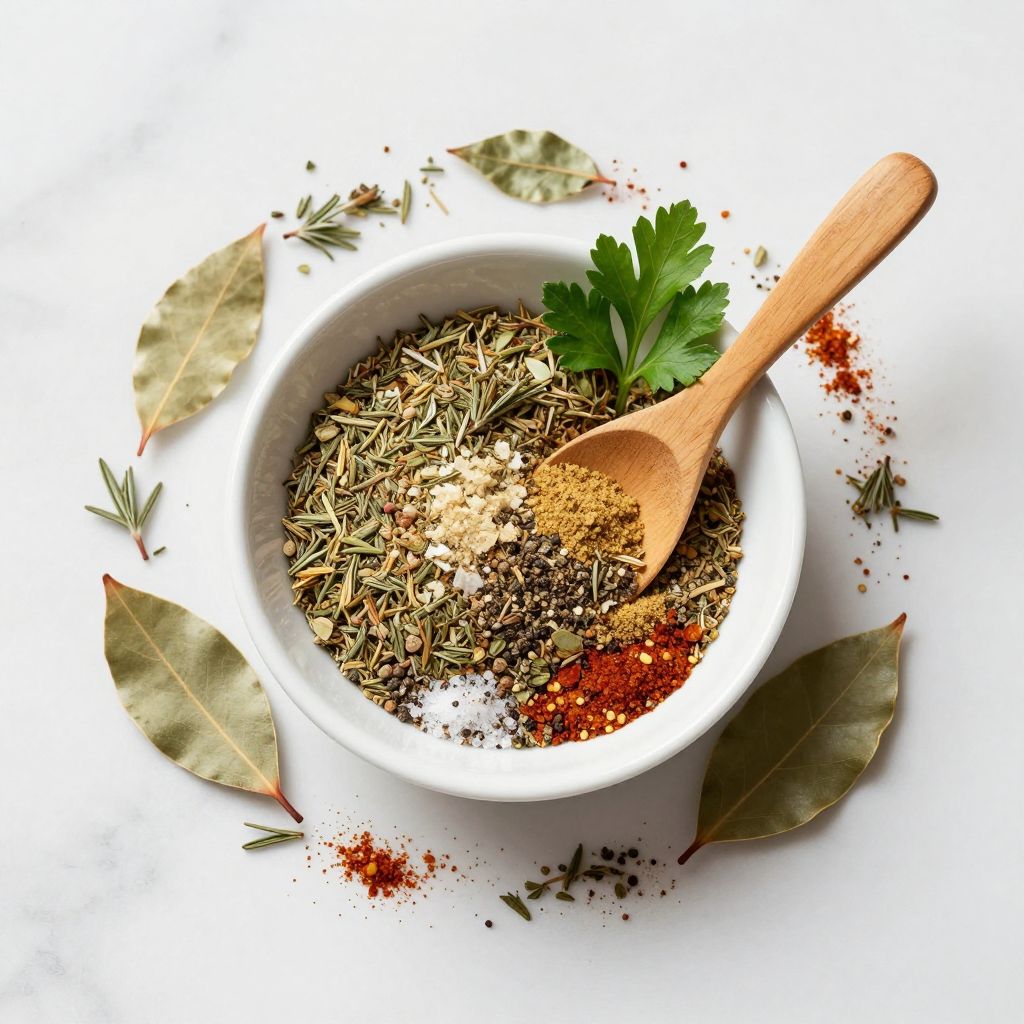
- Gather your dried thyme, rosemary, and oregano in a small mixing bowl.
- Measure and add 2 tablespoons dried thyme, 2 tablespoons dried rosemary, and 1 tablespoon dried oregano to the bowl.
- Add 1 tablespoon garlic powder and 1 tablespoon onion powder to the herb mixture.
- Mix in 2 teaspoons black pepper, 2 teaspoons smoked paprika, and 1 teaspoon dried mustard powder.
- Stir in 1 teaspoon sea salt and 1/2 teaspoon cayenne pepper.
- Add 1/2 teaspoon ground bay leaf to the spice blend.
- Whisk or stir vigorously for 1 to 2 minutes until all ingredients are evenly combined and free of clumps.
- Transfer the seasoning mix into an airtight spice jar or container, label with the date and contents, and store in a cool, dark place.