
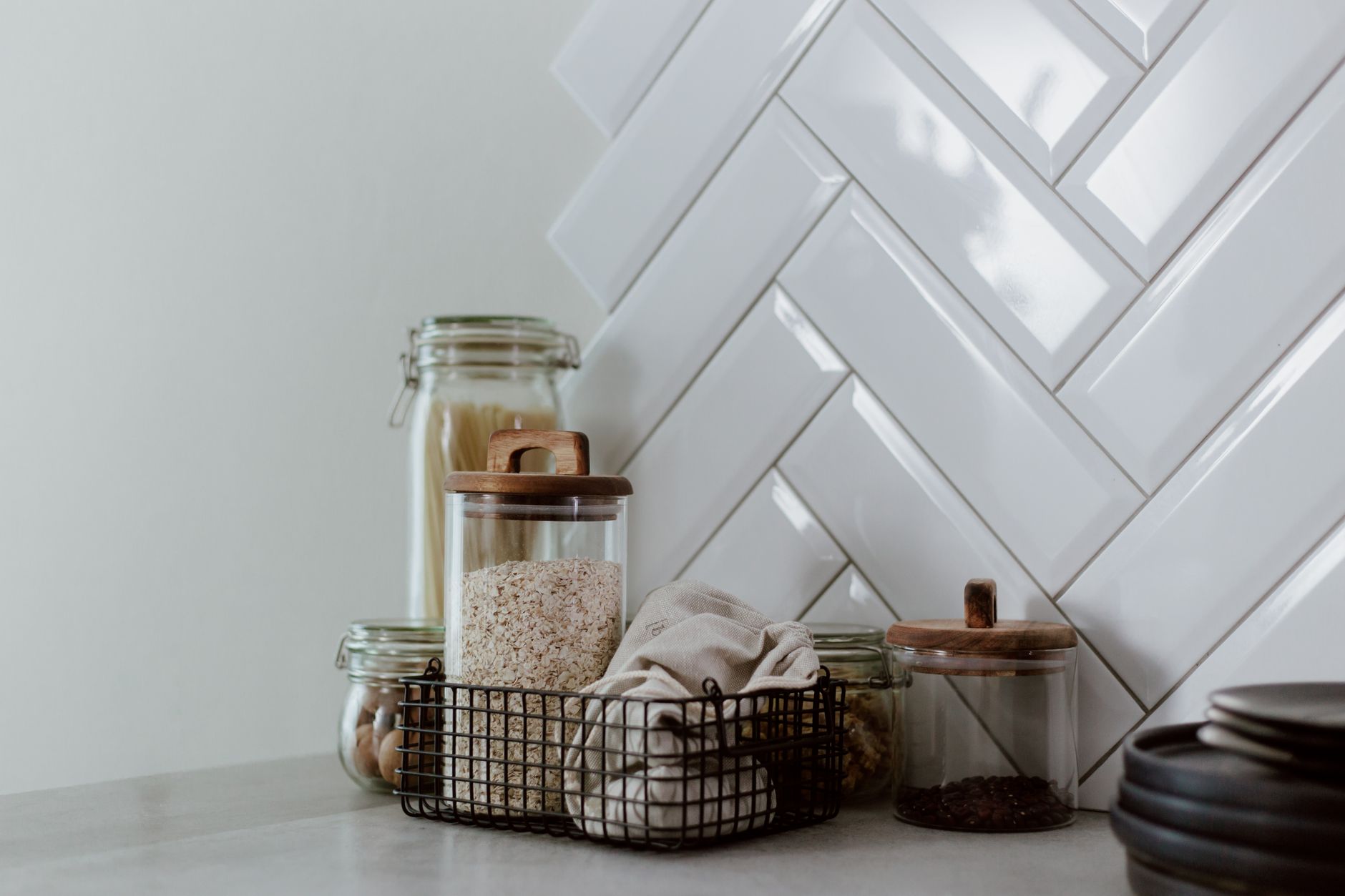
Food safety is a crucial topic for anyone who cooks at home or manages food storage. Understanding which food items are stored safely can help prevent foodborne illnesses and prolong the freshness of your meals. In this guide, we will explore various food items, how to store them correctly, and tips to ensure they remain safe and delicious for consumption.
From raw ingredients to cooked dishes, proper storage techniques are essential. Knowing the shelf life of different food items, how to handle leftovers, and the safest ways to freeze can dramatically affect the quality and safety of your food over time.
Which Food Item Is Being Stored Safely?
A food item is being stored safely when it is kept at the correct temperatures, in appropriate containers, and within recommended timeframes. This includes everything from raw meats and dairy products to leftovers and prepared meals. Following food safety guidelines helps to minimize the risk of contamination and spoilage.
Understanding Food Storage Basics
Before diving into specific food items, let’s establish some foundational knowledge about food storage.
Temperature Control
Most food items must be stored at specific temperatures to remain safe for consumption:
- Refrigeration: Keep your refrigerator below 40°F (4°C).
- Freezing: Ensure your freezer stays at 0°F (-17°C) or lower.
- Room temperature: Perishable items should not be left out for more than two hours.
Types of Food Storage
Food can be stored in a variety of ways, depending on the type:
- Refrigeration: For perishable items like dairy, meats, and cooked foods.
- Freezing: Best for long-term storage of meats, vegetables, and some cooked dishes.
- Canning: Suitable for fruits, vegetables, and preserved sauces.
- Fermentation: Ideal for storing vegetables and dairy products, enhancing flavor and preservation.
Perishable Food Items
Perishable foods require special attention to ensure they are stored safely. Here are some of the most common perishable food items and how to store them properly.
1. Fresh Meat and Poultry
Meats and poultry must be stored correctly to avoid hosting harmful bacteria.
- Storage Duration: Fresh meat should be kept in the fridge for 1-2 days; cooked meat can last 3-4 days.
- Storage Method: Keep in its original packaging or transfer to an airtight container.
- Freezing Tip: Wrap in heavy-duty foil, plastic wrap, or freezer bags and use within 4-12 months, depending on the type.
2. Dairy Products
Dairy products can spoil quickly if not handled properly.
- Storage Duration: Generally, milk can be kept for 5-7 days past the expiration date; yogurt lasts 1-3 weeks.
- Storage Method: Keep all dairy products in their original container or transfer to airtight containers.
- Freezing Tip: Milk can be frozen (leave space for expansion) but may alter texture. Thaw in the refrigerator and shake well before use.
3. Eggs
Eggs are a staple that must be stored safely to prevent contamination.
- Storage Duration: Eggs can typically last up to 3-5 weeks in the refrigerator.
- Storage Method: Keep eggs in their original carton to prevent odors and safeguard from cracks.
- Freezing Tip: Crack eggs into a bowl, whisk, and freeze in ice cube trays for easy portioning.
Fruits and Vegetables
Fruits and vegetables require different storage methods to maximize their shelf life.
1. Fresh Fruits
Different fruits have varying storage needs:
- Storage Duration: Most berries last 3-7 days; apples can last up to 2-3 weeks.
- Storage Method: Store in the fridge for most, while bananas and avocados are best at room temperature.
- Freezing Tip: Wash, chop, and freeze fruits like blueberries and peaches for later use in smoothies.
2. Fresh Vegetables
Proper storage can help vegetables remain crisp and fresh.
- Storage Duration: Leafy greens typically last 3-7 days; root vegetables can last weeks to months.
- Storage Method: Keep in breathable bags or containers in the fridge. Avoid washing before storage, as moisture encourages spoilage.
- Freezing Tip: Blanch vegetables like broccoli and carrots before freezing to preserve color and texture.
Cooked Foods
Leftovers are a common source of food waste if not stored correctly.
1. Refrigerated Leftovers
Leftover storage is essential to reduce waste and enjoy meals within safety limits.
- Storage Duration: Cooked meals can be safely stored for 3-4 days.
- Storage Method: Cool leftovers quickly and place them in airtight containers. Label with the date for reference.
- Reheating Tip: Reheat leftovers to an internal temperature of 165°F (74°C) to ensure safety.
2. Freezing Cooked Foods
Freezing is an excellent way to prolong the life of cooked foods.
- Storage Duration: Most cooked meals can last 2-6 months in the freezer, depending on the type.
- Storage Method: Portion into personal serving sizes before freezing to avoid thawing and refreezing.
- Reheating Tip: Thaw in the refrigerator or microwave before reheating to ensure even heating.
Dry and Shelf Stable Items
Some food items don’t require refrigeration and can be stored for long periods.
1. Grains and Pasta
These staples are essential pantry items and can be stored efficiently.
- Storage Duration: Uncooked pasta can last for 1-2 years; brown rice is best used within 6 months for maximum freshness.
- Storage Method: Store dry grains and pasta in airtight containers to prevent moisture and insect infestation.
2. Canned Goods
Canned products are convenient and long-lasting.
- Storage Duration: Most canned goods can last 1-4 years. Check the labels for ‘best by’ dates.
- Storage Method: Store in a cool, dry place away from direct sunlight. Avoid storing in damp areas.
Herbs and Spices
Storing herbs and spices correctly is essential for maximizing their potency.
- Storage Duration: Ground spices can maintain quality for 2-3 years; fresh herbs like basil typically last 1 week.
- Storage Method: Store herbs in a refrigerator or with stems in water, while spices should be kept in dark, airtight containers.
Handling and Safety Practices
Food safety not only relies on storage but also on proper handling techniques.
1. Cross-Contamination Prevention
When preparing food, preventing cross-contamination is vital to maintaining food safety.
- Use separate cutting boards for raw meats and other foods.
- Wash hands, utensils, and surfaces after handling raw ingredients before contacting other foods.
2. Thawing Foods Safely
Safe thawing methods are crucial to prevent bacterial growth.
- Defrost foods in the refrigerator, under cold running water, or in the microwave, but never at room temperature.
3. Best Practices for Food Storage Containers
The choice of storage containers can significantly impact food safety.
- Opt for food-safe, BPA-free plastic or glass containers, especially for reheating in the microwave.
- Ensure lids fit tightly for airtight storage.
Common Mistakes in Food Storage
Avoid these common pitfalls to ensure you’re storing food safely:
- Not labeling food items with dates, making it hard to track freshness.
- Keeping leftover food at room temperature for too long.
- Overcrowding the fridge or freezer, which can prevent proper air circulation.
- Not maintaining a clean fridge or pantry, leading to contamination.
Conclusion
Understanding how to store different food items safely is essential for maximizing freshness and preventing waste. By practicing proper food storage techniques, you ensure that your meals are safe, delicious, and enjoyed to their fullest potential.
For those looking to explore more about food safety, consider checking out our guides on cooking and storing chicken safely at Can You Freeze Cooked Chicken? and how long cooked ground beef is good in the fridge at How Long Is Cooked Ground Beef Good In The Fridge?. By following proper storage guidelines, you can keep your kitchen safe and your meals enjoyable.