
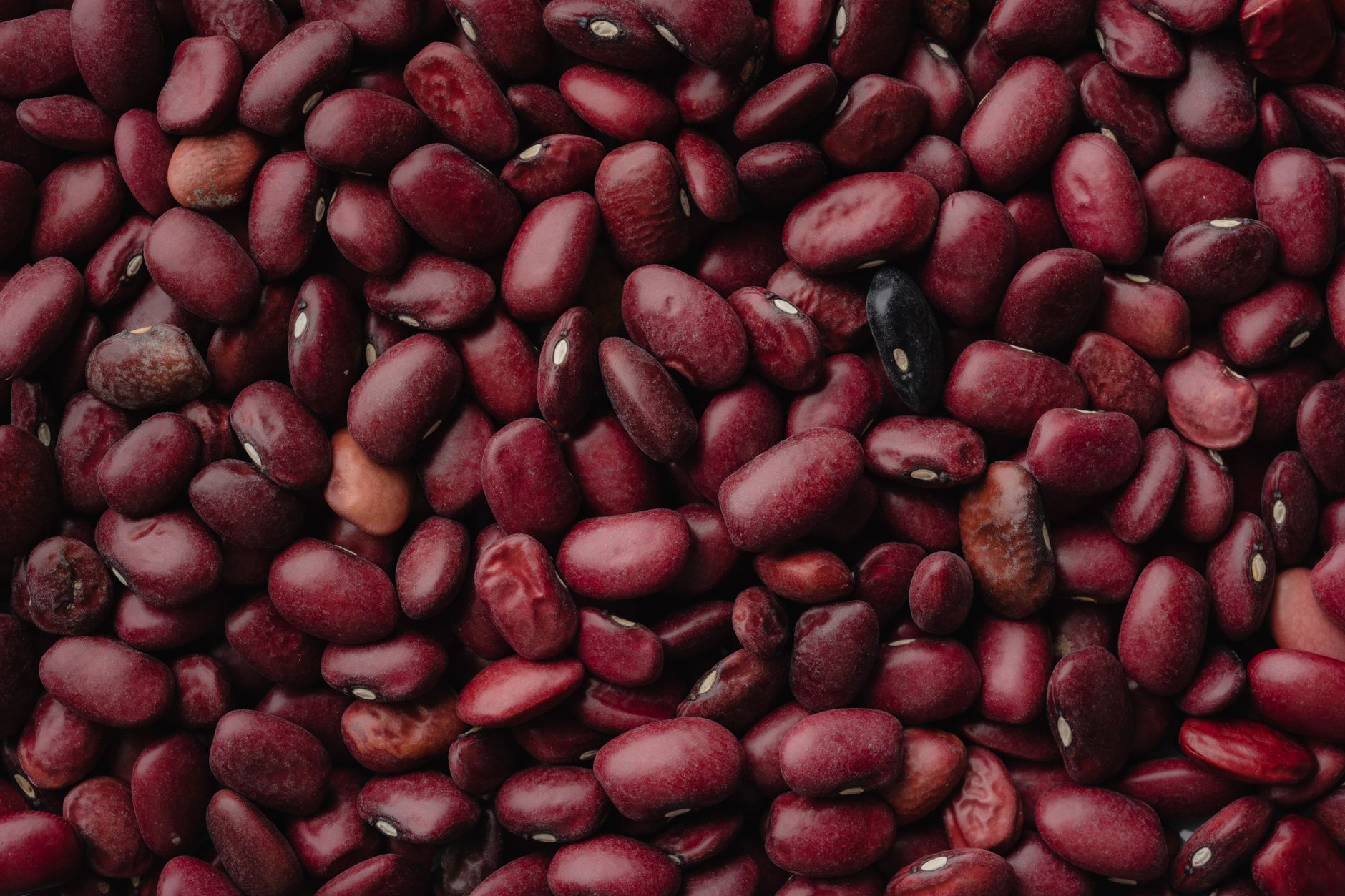
Beans are a powerhouse of nutrition, particularly for those seeking plant-based sources of protein. While many beans offer a good dose of protein, some stand out due to their higher content. Understanding which beans are the highest in protein can aid in meal planning, especially for vegetarian and vegan diets.
This article explores the beans with the highest protein content, including their nutritional benefits, cooking methods, and ways to incorporate them into meals. From chickpeas to black beans, let’s dig deeper into the world of protein-rich legumes.
Which Beans Are Highest in Protein?
The beans highest in protein include soybeans, lentils, black beans, kidney beans, and chickpeas. Typically, legumes contain between 15 to 25 grams of protein per cup when cooked. Soybeans lead with a remarkable protein content, making them ideal for various dishes.
Top Beans High in Protein
Here’s a closer look at some of the highest protein beans, their nutritional profiles, and culinary uses:
Soybeans
- Protein Content: Approximately 28.6 grams of protein per cooked cup
- Nutritional Benefits: High in essential amino acids, fiber, and polyunsaturated fats.
- Culinary Uses: Excellent for making tofu, tempeh, vegan burgers, or added to salads for extra protein.
Lentils
- Protein Content: Approximately 18 grams of protein per cooked cup
- Nutritional Benefits: Rich in iron, folate, and antioxidants.
- Culinary Uses: Versatile for soups, stews, salads, or blended into dips like lentil hummus.
Black Beans
- Protein Content: Approximately 15.2 grams of protein per cooked cup
- Nutritional Benefits: High in fiber and beneficial phytochemicals.
- Culinary Uses: Perfect in tacos, burritos, or as a base for black bean burgers.
Kidney Beans
- Protein Content: Approximately 15.3 grams of protein per cooked cup
- Nutritional Benefits: Rich in fiber, potassium, and iron.
- Culinary Uses: Commonly used in chili, salads, and rice dishes.
Chickpeas
- Protein Content: Approximately 14.5 grams of protein per cooked cup
- Nutritional Benefits: High in fiber and a good source of B vitamins.
- Culinary Uses: Essential for dishes like hummus, falafel, and added to salads.
Pinto Beans
- Protein Content: Approximately 15.1 grams of protein per cooked cup
- Nutritional Benefits: High in fiber and several vitamins and minerals.
- Culinary Uses: Great in Mexican cuisine, added to burritos or as refried beans.
Other Notable Mentions
While the above options are among the highest in protein, other beans like navy beans, great northern beans, and adzuki beans also provide decent protein amounts, making them excellent additions to various dishes.
Protein Comparison of Various Beans
| Bean Type | Protein per Cooked Cup (grams) |
|---|---|
| Soybeans | 28.6 |
| Lentils | 18 |
| Black Beans | 15.2 |
| Kidney Beans | 15.3 |
| Chickpeas | 14.5 |
| Pinto Beans | 15.1 |
| Navy Beans | 15.8 |
| Great Northern Beans | 15.1 |
| Adzuki Beans | 17.3 |
Nutritional Benefits of High-Protein Beans
Beans provide a wealth of nutrients beyond just protein. Here’s a breakdown of why you should consider incorporating these legumes into your daily meals:
1. Supports Muscle Growth and Repair
For anyone engaged in physical activity, beans can provide the necessary building blocks (amino acids) for muscle recovery and growth. The high protein content is essential for maintaining lean muscle mass.
2. Provides Energy
Beans are not only protein-rich but are also an excellent source of complex carbohydrates. This means they provide slow-releasing energy sources that keep you fueled throughout the day.
3. Promotes Digestive Health
High fiber content in beans helps maintain healthy gut function. Soluble and insoluble fibers promote regular bowel movements and can prevent constipation.
4. Lowers Cholesterol
The fiber in beans can also help to lower LDL (bad) cholesterol levels, which promotes heart health and reduces the risk of cardiovascular diseases.
5. Regulates Blood Sugar
Beans have a low glycemic index, making them a beneficial carbohydrate choice for those managing blood sugar levels, including persons with diabetes.
Incorporating High-Protein Beans into Your Diet
Adding beans to your meals is an easy and delicious way to enhance your protein intake. Here are practical ideas on how to include these nutritious legumes in your diet:
1. Breakfast
- Bean Burritos: Fill a whole grain tortilla with black beans, eggs, and avocado for a protein-packed breakfast.
- Chickpea Pancakes: Make pancake batter using chickpea flour mixed with water and spices for a savory breakfast option.
2. Lunch
- Salads: Top a fresh salad with chickpeas or kidney beans for added protein.
- Soups: Incorporate lentils or black beans into soups for warmth and nutrition.
3. Dinner
- Stir-fry: Add soybeans or black beans to stir-fries with various vegetables for a complete meal.
- Chili: Use a combination of beans in chili for a hearty, protein-rich dish.
4. Snacks
- Hummus: Blend chickpeas with tahini, garlic, and lemon to create a creamy dip.
- Roasted Beans: Snack on roasted chickpeas or edamame sprinkled with spices.
Common Mistakes When Cooking Beans
Cooking beans might seem straightforward, but there are common pitfalls to avoid. Here are a few tips to ensure you achieve the best results:
1. Neglecting to Soak
While not necessary for all beans, soaking some varieties (like kidney beans) can reduce cooking time and improve digestibility. Always follow specific recipes for best practices.
2. Overcooking
Beans can turn mushy if overcooked. Keep an eye on the cooking time and test for doneness periodically, especially when cooking dried beans.
3. Salt In Early Cooking
Adding salt to cooking water at the start can make beans tough. It’s best to salt them after they are tender.
4. Not Using Fresh Beans
Dried beans can lose their quality over time. Always check the expiration date and store dried beans in an airtight container in a cool, dark place.
Storage and Reheating Tips
Storing and reheating beans properly is essential for maintaining their texture and safety. Here are some recommendations:
Storing Cooked Beans
- Cooked beans can be stored in the refrigerator for up to four days in an airtight container.
- For longer storage, they can be frozen. Spread cooked beans in a single layer on a baking sheet to freeze, then transfer to a freezer bag for up to six months.
Reheating Cooked Beans
- Reheat beans on the stove over low heat, adding a splash of water or broth to maintain moisture.
- Alternatively, you can microwave them, covered, at medium power, stirring occasionally until heated through.
Final Thoughts
Incorporating high-protein beans into your meals is an enjoyable, nutritious, and budget-friendly approach to enhancing your diet with plant-based protein. From soybeans to lentils, these legumes offer a variety of flavors and textures that can fit into any cuisine.
Consider trying different types and styles of preparation to broaden your palate while enjoying the numerous health benefits they provide. Be creative, and your meals will surely be as delectable as they are nourishing.
Explore more related recipes, cooking tips, or food guides, like our Great Northern Beans Recipe or Southern Pinto Beans Recipe for inspiration on how to utilize these protein-packed legumes!