
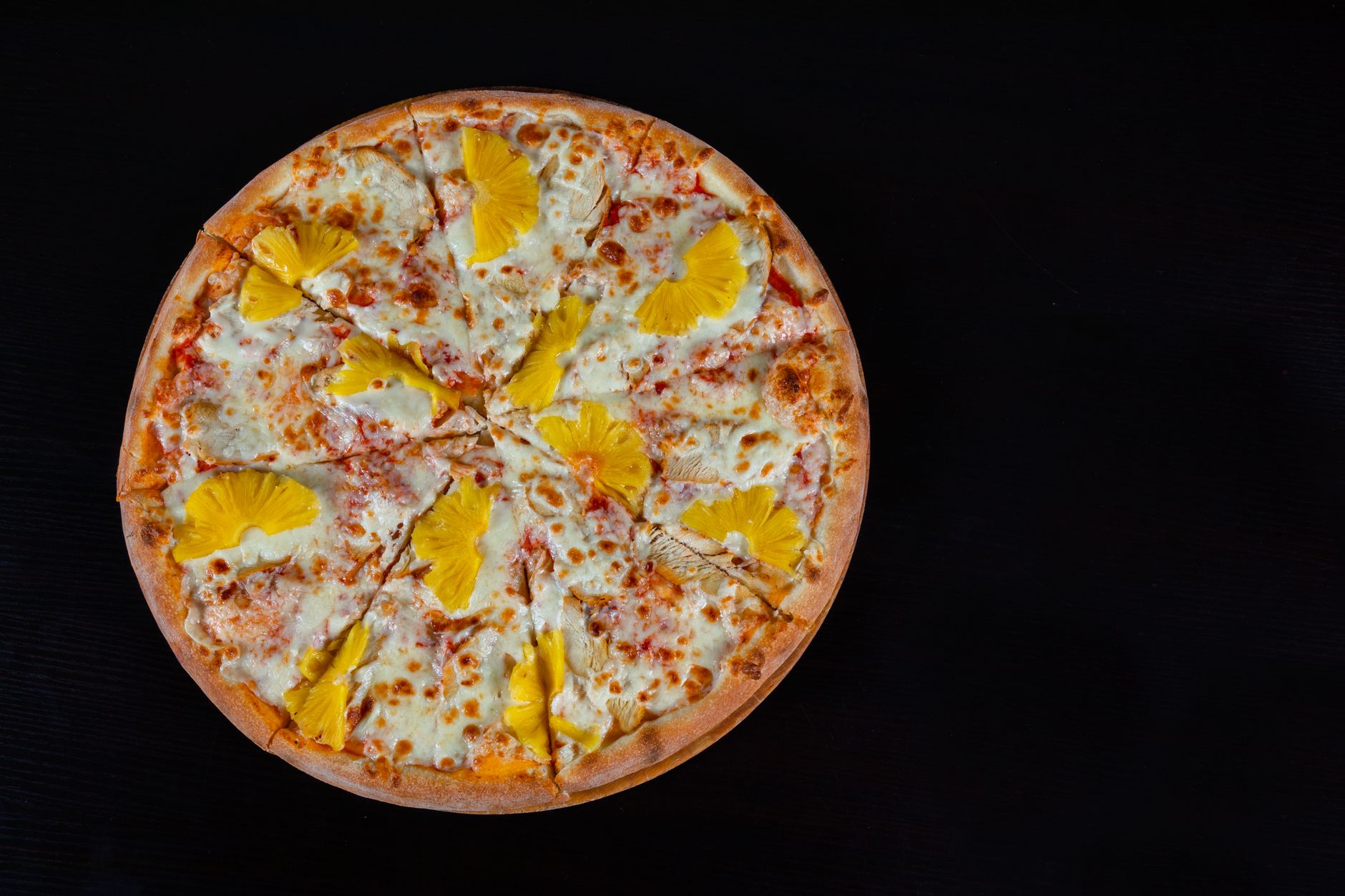
Hawaiian pizza has sparked debates and inspired cravings across the globe since its creation. This unique pizza topped with ham and pineapple offers a combination of sweet and savory flavors that many people find irresistible. But where did this distinctive pizza actually originate?
The creation of Hawaiian pizza is often attributed to Sam Panopoulos, a Greek immigrant who opened a restaurant in Canada during the 1960s. The dish originated not in Hawaii, but in Ontario, Canada. In this article, we will explore the backstory of Hawaiian pizza, its culinary features, how it has been embraced worldwide, and even some variations and recipes.
Where Was Hawaiian Pizza Created?
The story of Hawaiian pizza begins in 1962 at the Satellite Restaurant in Chatham, Ontario, Canada. Sam Panopoulos, who with his brothers ran the restaurant, decided to experiment with different ingredients to diversify their menu. He chose to add canned pineapple to a traditional pizza, pairing it with ham, and thus Hawaiian pizza was born.
Interestingly, the name “Hawaiian” comes from the brand of canned pineapple they used, not the islands themselves. Sam Panopoulos’ innovation struck a chord, and over the years, Hawaiian pizza gained immense popularity, both in Canada and internationally.
The Components of Hawaiian Pizza
At its core, Hawaiian pizza consists of a handful of simple yet flavorful ingredients. The base is typically a classic pizza dough, topped with tomato sauce, mozzarella cheese, sliced ham, and sweet pineapple chunks. Let’s examine these components more closely:
- Pizza Dough: The foundation of any pizza, it can be made from scratch or purchased pre-made.
- Tomato Sauce: Provides a tangy void that complements the sweetness of the pineapple.
- Mozzarella Cheese: Melts beautifully and creates a rich texture when combined with other ingredients.
- Ham: Traditionally, a mild and slightly sweet ham is used, though the choice of meat can vary.
- Pineapple: Fresh or canned, it adds a juicy sweetness that contrasts nicely with the savory toppings.
Characteristics of Hawaiian Pizza
The appeal of Hawaiian pizza lies not just in its ingredients, but also in its flavor profile and texture. Here are some distinctive characteristics that make it unique:
- Flavor Balance: The combination of sweet pineapple and salty ham creates an exciting contrast that many find appealing.
- Texture: The chewy crust, creamy melted cheese, and chunks of pineapple provide a delightful mouthfeel.
- Versatility: This pizza can be customized in many ways, including variations on the crust or additional toppings.
Why Has Hawaiian Pizza Divided Opinions?
Despite its popularity, Hawaiian pizza has also sparked contentious debates among food lovers. While many adore the combination of flavors, others find it unorthodox and even downright offensive to traditional pizza dishes. The reasons for the divided opinions may include:
- Cultural Traditions: Some people feel that pineapple doesn’t belong on pizza, which often leads to passionate discussions about culinary appropriateness.
- Texture Preferences: The added fruit alters the classic savory profile of pizza, making it less appealing to those who prefer traditional toppings.
How to Make Hawaiian Pizza at Home
If you’re curious to taste this debated dish for yourself, making Hawaiian pizza at home is straightforward. Here is a detailed recipe for creating your own version, complete with customizable options.
Recipe Overview
- Yield: 4 servings
- Preparation Time: 15 minutes
- Cooking Time: 15-20 minutes
- Total Time: 30-35 minutes
Ingredients
- 1 pre-made pizza dough (or homemade from your favorite recipe)
- 1 cup pizza sauce
- 2 cups shredded mozzarella cheese
- 1 cup sliced ham (or Canadian bacon)
- 1 cup canned pineapple chunks, drained (or fresh pineapple)
- 1 tablespoon olive oil (optional for crust brushing)
- Fresh oregano or parsley (for garnish, optional)
Essential Equipment
- Pizza stone or baking sheet
- Pizza peel or spatula
- Baking paper (if using baking sheet)
- Oven
Step-by-Step Instructions
- Preheat your oven to 475°F (245°C) for at least 30 minutes if using a pizza stone. If using a baking sheet, preheat it too by placing it in the oven.
- On a floured surface, roll out the pizza dough to your preferred thickness, about ¼ inch thick for a classic pizza.
- Transfer the dough to a pizza peel or baking sheet lined with parchment paper.
- Spread the pizza sauce evenly over the dough, leaving about a ½ inch border for the crust.
- Sprinkle the mozzarella cheese evenly over the sauce.
- Add the sliced ham evenly across the cheese.
- Top with the pineapple chunks, distributing them evenly.
- If desired, brush the crust with olive oil to enhance its crispiness.
- Carefully transfer the pizza to the preheated pizza stone or baking sheet in the oven.
- Bake for 15-20 minutes or until the cheese is bubbly and golden, and the crust is lightly browned.
- Once done, remove from the oven and let it cool for a few minutes.
- Garnish with fresh herbs if desired before slicing and serving.
Common Mistakes and Troubleshooting
While making Hawaiian pizza can be straightforward, there are a few common pitfalls to be aware of:
- Overloading with Toppings: Too many toppings can lead to a soggy pizza. Aim for moderation in your ingredient amounts.
- Not Preheating Enough: A well-preheated oven or stone ensures a crisp crust. Take the time to heat thoroughly.
- Too Much Sauce: Excess sauce can lead to a mushy base. Stick to the recommended amount for best results.
Variations of Hawaiian Pizza
Hawaiian pizza is incredibly versatile, allowing for numerous variations.
- BBQ Chicken Hawaiian: Swap ham for BBQ chicken and use barbecue sauce instead of tomato sauce for a smoky twist.
- Vegetarian Hawaiian: Add bell peppers, red onions, and mushrooms alongside the traditional toppings for a veggie-packed option.
- Spicy Hawaiian: Incorporate jalapeños or crushed red pepper flakes to add heat to the sweet and savory flavors.
Meal Planning with Hawaiian Pizza
Hawaiian pizza can fit seamlessly into your meal planning routine. It’s an easy dish to prepare in advance and reheat, making it versatile for various occasions:
- Batch Cooking: Make multiple pizzas at once and store them in the refrigerator or freezer for quick meals later in the week.
- Customizable Options: Allow family or guests to create their versions by setting up a pizza-making station with various toppings.
- Side Pairings: Serve with a simple salad or garlic bread for a well-rounded meal.
Storage and Reheating Tips
If you have leftover Hawaiian pizza, proper storage is key for maintaining its quality.
- Refrigeration: Store leftovers in an airtight container or wrap them tightly with plastic wrap. They can be kept in the fridge for up to 3 days.
- Freezing: For longer storage, wrap individual slices in foil and place them in a freezer-safe bag. They can be frozen for up to a month.
- Reheating: To reheat, place slices in an oven preheated to 350°F (175°C) for 10-15 minutes or until heated through. If using a microwave, heat in short intervals to prevent sogginess.
Exploring Global Variants of Pizza
Hawaiian pizza is just one of countless pizza styles worldwide. Each region features its own traditional toppings and cooking methods. Here are a few notable styles:
- Neapolitan: Originating from Naples, Italy, this pizza is known for its thin crust and is made with minimal ingredients, often just tomatoes, mozzarella, fresh basil, and olive oil.
- Chicago Deep-Dish: This pizza is characterized by a thick, buttery crust that forms a deep dish, allowing for ample toppings and sauce.
- Sicilian: Known for its rectangular shape and thick crust, Sicilian pizza features a variety of toppings and is often baked in a pan.
In summary, while Hawaiian pizza may not be the traditional dish one expects when thinking of Italian cuisine, it holds a special place in pizza history thanks to its unique combination of flavors and textures. From its Canadian roots to its global presence, Hawaiian pizza continues to delight many, proving that culinary innovation can lead to delicious outcomes.
If you’re interested in expanding your pizza-making skills, consider trying recipes like the classic King Arthur Pizza Dough or even a fun twist like a Crustless Pizza for a low-carb option. Enjoy your cooking adventures!