
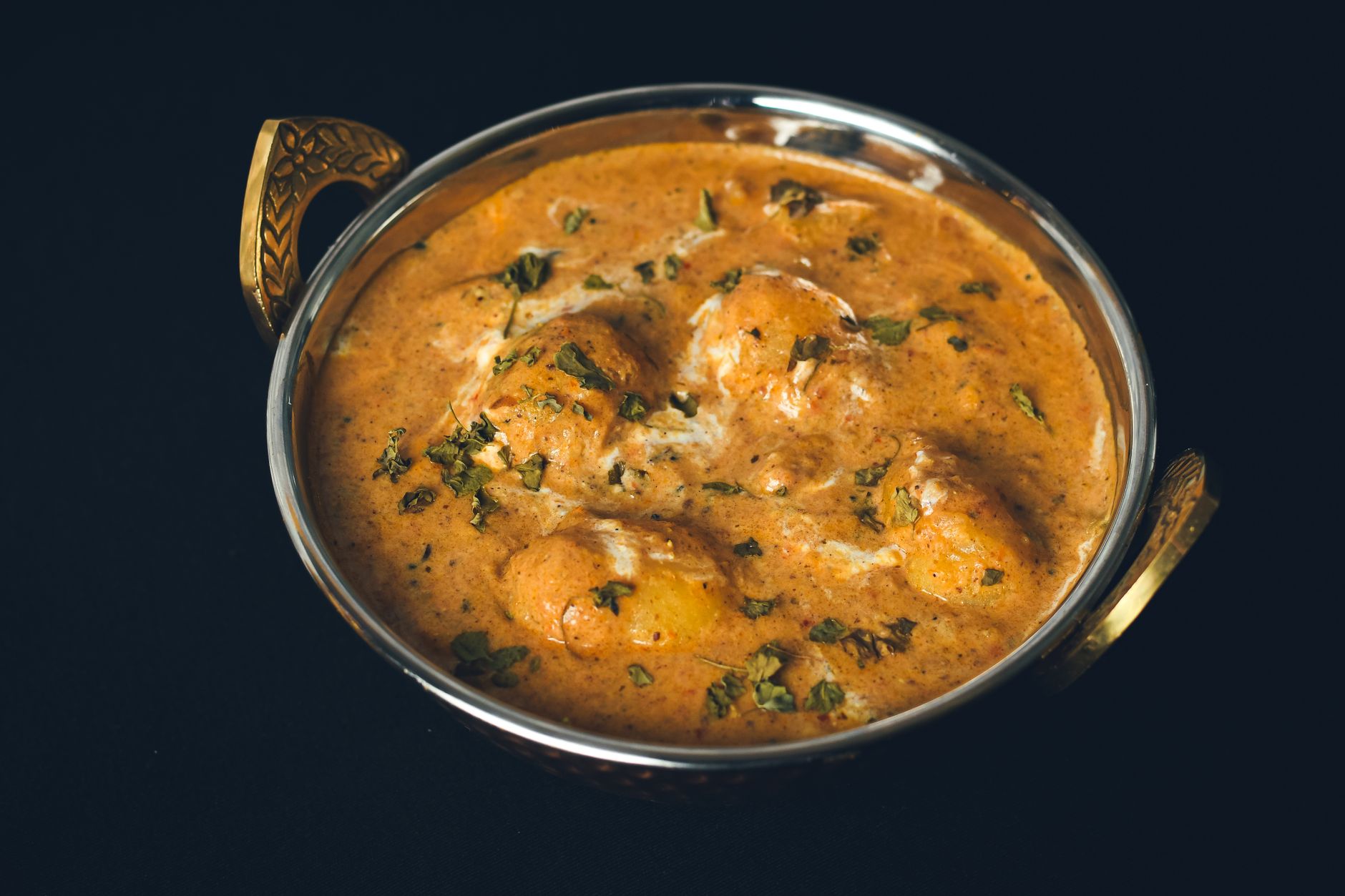
Curry is one of the most beloved and versatile dishes in global cuisine, renowned for its rich flavors, aromatic spices, and vibrant colors. But where was curry invented? Understanding the origins of curry involves tracing its history through various cultures and exploring how it has evolved over time.
This article dives deep into the geographical and historical roots of curry, how it has transformed across different regions, and its place in modern culinary practices. Whether you want to enhance your cooking repertoire or simply appreciate the cultural significance of curry, this guide provides a comprehensive overview.
Where Was Curry Invented?
Curry is believed to have originated in India, where it was developed as a way to flavor dishes with a blend of spices and herbs. The term “curry” itself is derived from the Tamil word “kari,” meaning a sauce or relish for rice. The concept spread beyond India to various parts of Asia and eventually made its way to Europe and the Western world, where it has become a popular dish in many forms.
The Historical Evolution of Curry
The history of curry can be traced back to ancient civilizations in the Indian subcontinent, with evidence of spiced dishes appearing in texts as early as 2000 BCE.
Early Influences
In ancient times, the use of spices was tied to trade routes. Spices like turmeric, cumin, and coriander were commonly used in Indian cooking, which likely began the evolution of what we now recognize as curry. As trade expanded, the influence of Persian and Mughal cuisines introduced techniques such as slow cooking and the use of cream and yogurt.
Curry in the 19th Century
The British colonization of India in the 18th and 19th centuries played a pivotal role in introducing curry to Western culture. British officers and their families began to adapt curry recipes, bringing them back to Britain. This led to the development of “Anglo-Indian” curry, characterized by milder flavors and the use of less complex spices.
Global Spread of Curry
With globalization, curry found its way into the culinary traditions of many regions. The Japanese, for example, adapted curry into a milder dish known as “kare,” while in Thailand, curry became a central ingredient in various spicy dishes featuring coconut milk.
Main Types of Curry
Curry is not a singular dish but rather a category that encompasses various styles, flavors, and essential ingredients. Below are some of the main types of curry.
Indian Curries
Indian curries vary greatly by region and typically consist of a mixture of spices, vegetables, and protein sources such as chicken, beef, or lentils.
- North Indian Curries: Characterized by the use of yogurt and cream, examples include Butter Chicken and Rogan Josh.
- South Indian Curries: Often coconut-based and spicy, such as Chettinad Chicken and Kerala Fish Curry.
Thai Curries
Thai curries are known for their bold flavors and richness, often incorporating coconut milk and fresh herbs.
- Green Curry: Made with green chili paste, it is one of the hottest curries.
- Red Curry: Rich and flavorful, made with red chili paste, often featuring meats and vegetables.
Japanese Curry
Japanese curry is typically milder and sweeter, often served over rice or with breaded and fried components like katsu.
Curry Ingredients and Base Flavors
A key feature of curry is its complex flavor profile, which comes from a combination of spices, herbs, and other ingredients.
Common Spices Used in Curry
While the specific spices can vary widely, some of the most common include:
- Cumin
- Coriander
- Tumeric
- Garam Masala
- Cardamom
- Mustard Seeds
Essential Elements in Curry
Aside from spices, the base of a curry often includes:
- Onions, garlic, and ginger: Often sautéed to create a flavorful foundation.
- Tomatoes: Add acidity and sweetness, common in Indian and some Asian curries.
- Coconut Milk or Cream: Used in many curries for richness, particularly in Thai and South Indian versions.
- Proteins: Such as chicken, lamb, seafood, or legumes, which absorb the flavors of the spices.
How to Cook Curry: Basic Techniques
Making curry can seem intimidating due to the variety of spices and techniques involved. However, once you understand the basic methods, you can easily create delicious curries at home.
Essential Equipment
To cook curry, you will need:
- A heavy-bottomed pot or a Dutch oven for even heating.
- A frying pan for toasting whole spices if desired.
- A sharp knife and cutting board for ingredient preparation.
Basic Cooking Steps
- Prepare Ingredients: Chop onions, tomatoes, and proteins. Measure your spices.
- Make the Base: Heat oil in your pot, add onions, and sauté until translucent.
- Add Spices: Stir in garlic, ginger, and spices to bloom their flavors.
- Add Protein and Cook: Incorporate your protein and cook until browned.
- Add Liquid: Add tomatoes and/or coconut milk and bring to a simmer.
- Cook Until Done: Allow the curry to simmer, letting flavors meld and proteins cook through.
Common Mistakes to Avoid When Making Curry
Even seasoned home cooks can make mistakes when preparing curry. Here are some common pitfalls to avoid:
- Overcooking Proteins: Always monitor cooking times, as proteins can become tough if overdone.
- Underseasoning: Taste as you go. Adjust seasoning to your preference for a balanced flavor.
- Not Blooming Spices: Lack of blooming can result in flat flavors. Always sauté your spices briefly before adding other ingredients.
Storage and Reheating Tips
Once you’ve made a delicious curry, proper storage can help maintain its flavors and textures.
Storage Guidelines
- Refrigerate leftovers in an airtight container for up to 3-4 days.
- For longer storage, consider freezing your curry for up to 3 months. Allow it to cool before transferring to freezer-safe containers.
Reheating Instructions
Reheat curry gently on the stovetop over low heat, adding water or broth if necessary to adjust the consistency. Alternatively, you can microwave individual portions, stirring halfway through to ensure even heating.
Cultural Significance of Curry
Curry has evolved not just as a dish but also as a cultural phenomenon. In India, curry is about tradition and family—it represents regional identity and communal dining.
Curry Around the World
The Western adaptation of curry has been significant in shaping the global culinary landscape. Popular curry dishes in the West include Chicken Tikka Masala, which has become emblematic of British-Indian cuisine.
Modern Innovations
Cooks around the world continue to experiment with curry by incorporating local ingredients, thus creating new and exciting variations that respect traditional roots while embracing modern palates.
Conclusion
Curry originated in the Indian subcontinent but has transcended borders, developing unique identities in various cultures. Understanding where curry was invented offers greater appreciation for its historical and cultural significance.
Now that you have a comprehensive understanding of curry, why not try your hand at making your own? Start by exploring a shrimp curry recipe or perhaps try your skills with a Dhokla, which can be a delightful accompaniment to your curry feast.
For more culinary insights, feel free to check out our shrimp curry recipe and discover the flavors of Dhokla.