
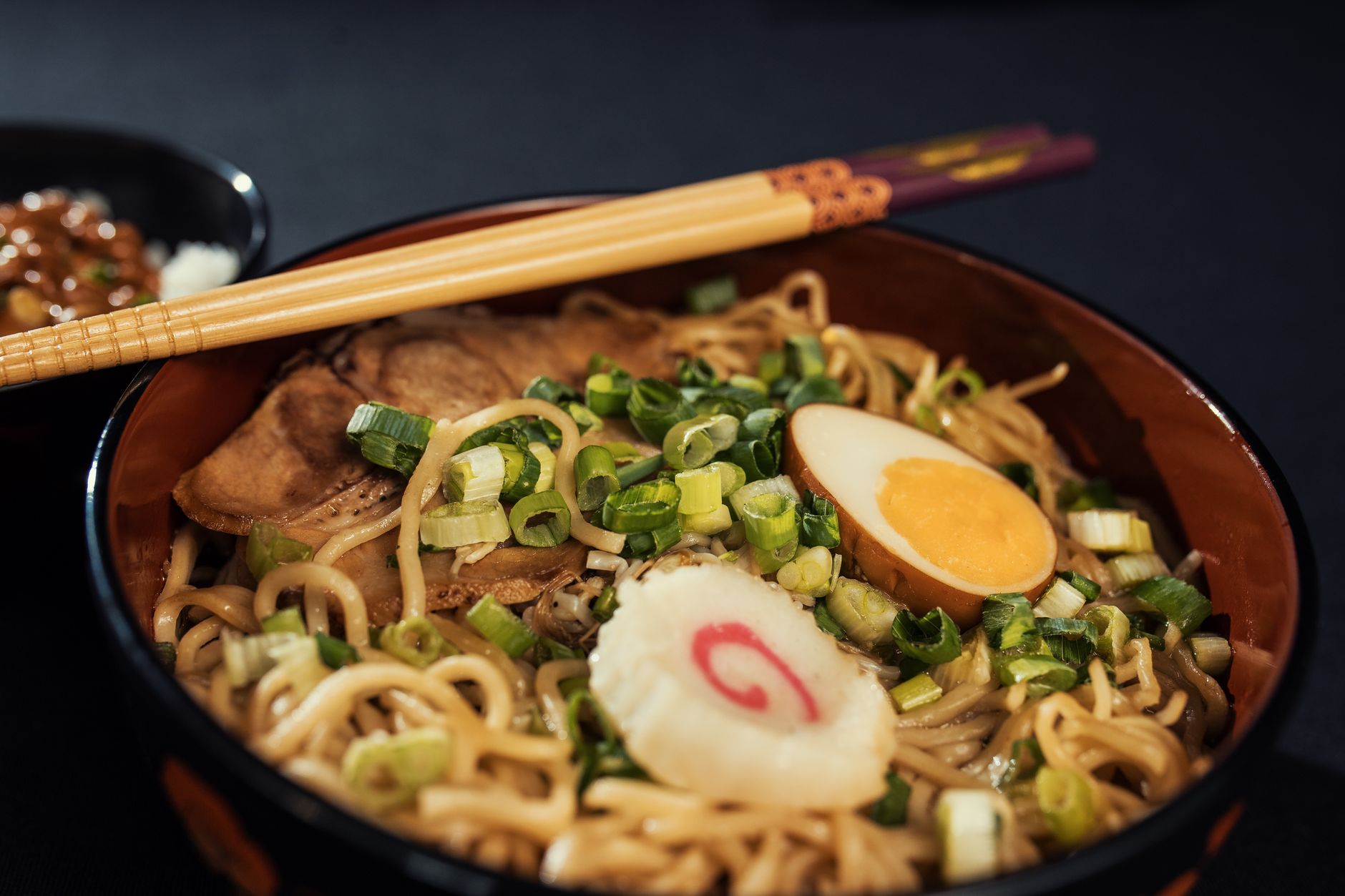
Ramen is a beloved staple food that transcends cultures and continents. Originating from Japan, this noodle dish has evolved into numerous regional varieties, each reflecting local ingredients and traditions. Understanding where ramen comes from can enhance appreciation for this versatile dish.
This article explores the origins of ramen, its historical significance, the evolution of recipes through time, and modern interpretations. Along the way, we’ll highlight food traditions associated with ramen and how to enjoy it both at home and in restaurants.
Where Is Ramen From?
Ramen originates from Japan, introduced by Chinese immigrants in the late 19th century. Over the years, it has become a revered element of Japanese cuisine, creating a unique fusion of flavors, textures, and culinary techniques.
Tracing Ramen’s Roots: A Historical Perspective
The story of ramen begins in China, where wheat noodles have been consumed for centuries. These noodles were brought to Japan during the Meiji era (1868-1912) as Western influences began to permeate Japanese cuisine. Initially dubbed “shina soba,” meaning “Chinese soba,” the dish was primarily enjoyed by the working class.
In the early 20th century, ramen began to gain popularity in Japan’s urban centers. Street vendors started selling bowls of hot noodles in broth, offering affordable and satisfying meals. After World War II, the introduction of instant ramen by Momofuku Ando in 1958 revolutionized the food industry, propelling ramen into the global spotlight.
Regional Varieties of Ramen
As ramen spread across Japan, it adapted to local tastes, resulting in distinct regional variations. Here are some of the most popular styles:
- Shoyu Ramen: Originating from Tokyo, this type features a soy sauce-based broth that is savory and aromatic. Thin, curly noodles are typically used, complemented by toppings like sliced pork, green onions, and nori.
- Miso Ramen: Hailing from Hokkaido, miso ramen is characterized by its rich, hearty broth made with miso paste. The noodles are often thicker, and common toppings include corn, butter, and bean sprouts.
- Shio Ramen: Meaning “salt” in Japanese, shio ramen is lighter and often clearer in color. It originated in the Fukuoka region and typically uses a combination of chicken, seafood, and vegetables for the broth.
- Tonko Ramen: Tonkotsu ramen is famous for its intensely flavored broth made by simmering pork bones for hours until they break down into a milky, rich soup. This style is particularly popular in Kyushu.
- Tsukemen: While not a traditional ramen, this dipping noodle dish has gained popularity. The noodles are served separately from a thick, flavorful broth, allowing for a unique eating experience.
Ingredients That Define Ramen
Understanding the core ingredients of ramen is essential for both appreciating the dish and making it at home. Here are the primary components:
Noodles
Ramen noodles are made from wheat flour, water, salt, and kansui, an alkaline mineral water that gives the noodles their unique texture, chewiness, and yellow color. Noodle thickness and curvature can vary depending on the ramen style.
Broth
Broth is the heart of ramen, varying widely in flavor and complexity. It can be chicken, pork, beef, or even a seafood base, often combined with vegetables and seasonings to enhance richness. Basic flavor profiles include shoyu, miso, and tonkotsu.
Toppings
Toppings add layers of flavor and textural contrast. Common toppings include:
- Chashu: Braised or roasted pork belly.
- Menma: Fermented bamboo shoots.
- Nori: Seaweed sheets.
- Green Onions: Finely chopped for a fresh crunch.
- Soft-Boiled Eggs: Marinated in soy sauce for added flavor.
Culinary Techniques Behind Ramen
Making ramen at home can be a rewarding experience, but it requires understanding some essential cooking techniques:
Making Ramen Broth
The broth is the most labor-intensive part of ramen preparation. Here’s a basic method for making a rich pork broth:
- Start with pork bones (neck bones or trotters work well). Blanch them in boiling water for 10 minutes to remove impurities.
- Rinse the bones and transfer them to a large pot. Add water, aromatics like garlic, ginger, scallions, and a splash of soy sauce.
- Simmer the broth on low heat for 12-24 hours, adding water as needed to keep bones submerged.
- Strain the broth, and season to taste with salt, soy sauce, or miso.
Cooking the Noodles
Ramen noodles should be boiled just until tender. Timing can vary based on the type of noodles. Rinse them under cold water after boiling to stop the cooking process and to remove excess starch.
Ramen Etiquette: How to Enjoy It
In Japan, enjoying ramen is almost as important as how you prepare it. Here are some key points to keep in mind:
- Slurping: It is customary to slurp noodles as it enhances the flavor and shows appreciation for the dish.
- Topping Order: Eat toppings in a manner that preserves the integrity of the noodles, typically starting with soft-boiled eggs, followed by meat.
- Broth Sipping: It is acceptable to sip the broth directly from the bowl, a sign that you enjoyed the meal.
Modern Interpretations of Ramen
In recent years, ramen has seen a surge in creativity and innovation. Chefs around the world are experimenting with various ingredients and techniques, leading to unique fusions, such as:
- Vegan Ramen: Made with vegetable broths and plant-based toppings, catering to those who prefer meat-free options.
- Spicy Ramen: Incorporating chili oils, miso paste, or spicy peppers for heat.
- Regional Fusions: Combining elements from other cuisines, such as Mexican ramen with chorizo, or Italian ramen featuring pesto.
How to Make Ramen at Home: Simple Recipe
While authentic ramen can be complex, here’s a simplified recipe to help you make a comforting bowl at home.
Basic Ingredients
- 4 cups pork or chicken broth
- 2 servings ramen noodles
- 2 tablespoons soy sauce
- 1 tablespoon miso (optional)
- 2 soft-boiled eggs
- Green onions, sliced
- Nori, cut into strips
- Chashu pork or any protein of your choice
Preparation Time
- Prep time: 10 minutes
- Cook time: 10 minutes
- Total time: 20 minutes
Method
- In a pot, heat the broth over medium heat, adding soy sauce and miso if desired.
- Simultaneously, cook the ramen noodles in another pot according to package instructions. Drain and rinse.
- Once the broth is hot, taste and adjust seasoning as needed.
- To serve, place the noodles in a bowl, pour hot broth over them, and garnish with toppings such as soft-boiled eggs, green onions, and nori.
- Enjoy your homemade ramen!
Common Mistakes When Making Ramen
Even small errors can affect the overall outcome of your ramen. Here are some pitfalls to avoid:
- Skipping the Broth: A good broth is the essence of ramen. Avoid using only store-bought broth; try to enhance it with seasonings.
- Overcooking Noodles: Timing is crucial; overcooked noodles ruin the texture.
- Neglecting Toppings: Toppings add essential flavor and texture. Don’t skip them!
Storage and Reheating
If you have leftovers, store the broth and noodles separately in airtight containers in the refrigerator. Broth can last for up to a week, while noodles should be consumed within a few days.
When reheating, bring the broth to a simmer and reheat the noodles briefly before serving. This prevents overcooking and maintains the noodle’s texture.
Exploring Ramen in Restaurants
For those looking to dive deeper into the world of ramen without cooking, exploring ramen shops is a great option. Here’s what to consider:
- Local Options: Search for dedicated ramen shops. It’s worth seeking out those that make their noodles in-house for an authentic experience.
- Exploring Varieties: Don’t hesitate to try different styles, from shoyu to tonkotsu, as each offers a distinct flavor profile.
- Ask for Recommendations: Staff can provide insights into their specialties or chef-recommended combinations.
The Cultural Significance of Ramen
Ramen is more than just a dish; it embodies the spirit of Japanese culture, reflecting the significance of food in communal gatherings. It is often enjoyed during social events or family meals, providing a sense of togetherness.
The continuing evolution of ramen, along with its popularity around the world, showcases its versatility and ability to adapt while remaining true to its roots. Its journey from street food to gourmet cuisine demonstrates the cultural exchange inherent in culinary traditions.
Ramen dishes not only nourish the body but also carry stories and memories, enriching our connection with food. Exploring ramen provides insight into the rich tapestry of flavors and shared experiences that define both Japanese cuisine and global culinary innovation.
Whether you’re cooking at home or dining out, exploring the world of ramen opens up a plethora of delicious opportunities. Preparing it can be an enjoyable adventure, and sharing it with others adds a personal touch.
Expand your culinary horizons with our delicious creamy ramen recipe or explore the spicy twist of buldak ramen. Enjoy the flavors, traditions, and creativity that ramen offers!