
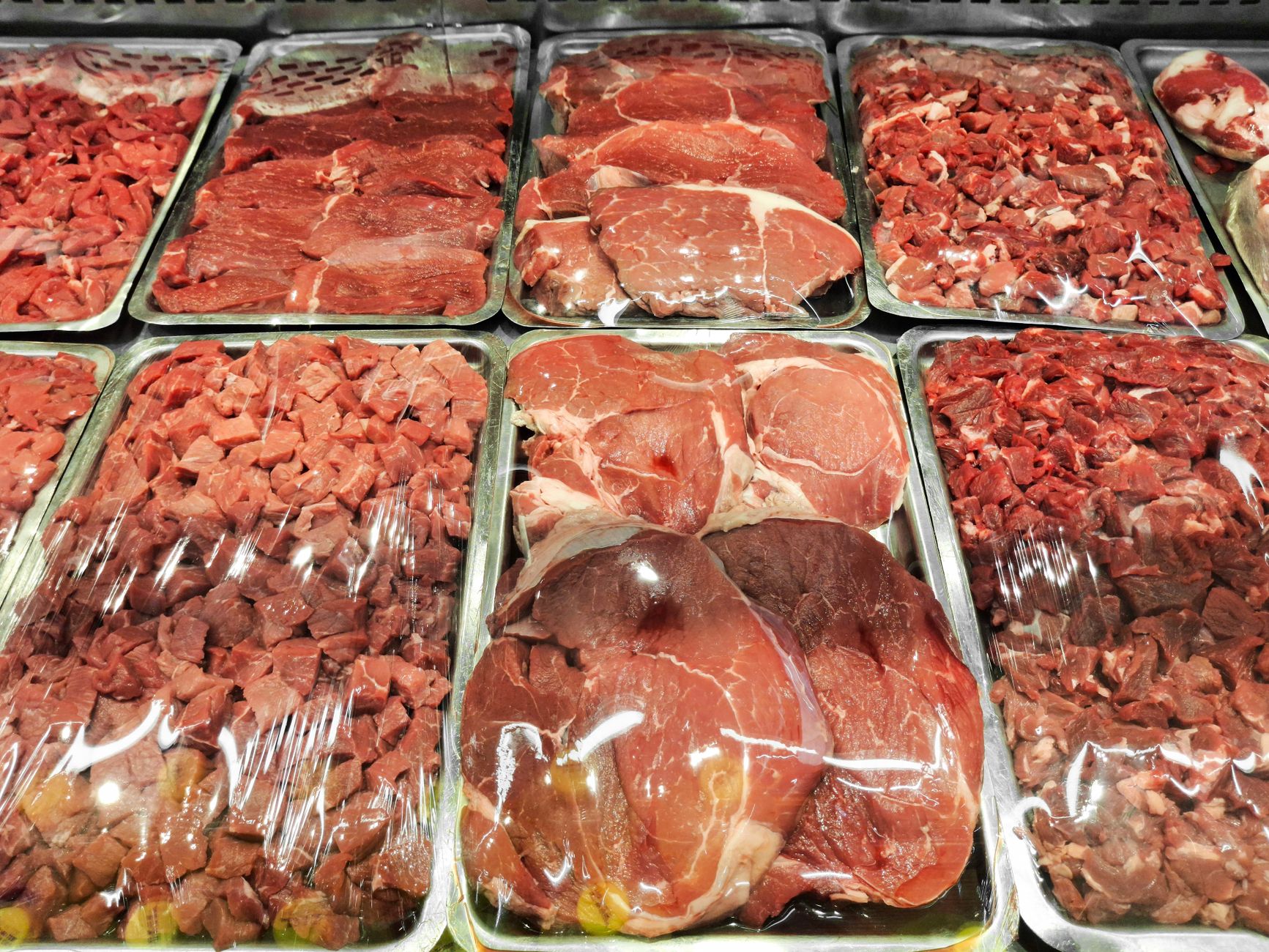
Storing raw meat safely in the refrigerator is a crucial aspect of food safety that many people overlook. Knowing the correct place to store meat can prevent cross-contamination and foodborne illness. This guide will explain how to properly store raw meat, including temperature requirements, best practices, and tips to ensure meat remains fresh until you’re ready to cook it.
Raw meat can include a variety of types, such as beef, chicken, pork, and lamb. Each type has its specific considerations, but they all need to be handled with care. Let’s delve into where in the fridge raw meat should be stored, along with some additional food safety guidelines.
Where in the Refrigerator Should Raw Meat Be Stored?
Raw meat should ideally be stored on the bottom shelf of the refrigerator. This prevents any potential drips from contaminating other foods. Raw meat can harbor bacteria, and keeping it on the bottom helps avoid cross-contamination with ready-to-eat foods stored on higher shelves.
Understanding Meat Types and Storage Practices
Different types of meat have varying shelf lives and storage requirements, which is essential for maintaining food safety.
Raw Chicken
- Store raw chicken on the bottom shelf of the fridge in a separate container to prevent juices from dripping.
- Use or freeze raw chicken within one to two days of purchase.
- The ideal refrigerator temperature for raw chicken is below 40°F (4°C).
Raw Beef
- Raw beef can also be stored on the bottom shelf, ideally in its original packaging.
- Keep it in the fridge for three to five days or freeze if not used within this period.
- Ground beef should be consumed or frozen within one to two days of purchase.
Raw Pork
- Like chicken and beef, raw pork should be stored on the bottom shelf to avoid cross-contamination.
- It generally lasts for three to five days in the refrigerator.
- Ideal temperatures should also be kept below 40°F (4°C).
Raw Lamb
- Store raw lamb on the bottom shelf of the fridge.
- It can be kept for three to five days, similar to pork and beef.
Best Practices for Storing Raw Meat
Implementing the following best practices ensures the safety and quality of raw meat stored in your refrigerator:
- Keep Packaging Sealed: Store meat in sealed packaging to prevent exposure to air, which can spoil the meat.
- Use Separate Containers: Consider using separate containers, especially for chicken, to avoid contamination of other foods.
- Label and Date: Label all meat with purchase dates to track freshness. This helps in using it within the recommended time frame.
- Maintain Refrigerator Temperature: Regularly check your refrigerator’s temperature; it should be at or below 40°F (4°C) for safe storage.
- Avoid Overloading: Do not overload the refrigerator, which can restrict air circulation and lead to uneven temperature readings.
Cross-Contamination Prevention
Cross-contamination can occur when bacteria from raw meat spread to other foods. To prevent this, follow these guidelines:
- Use Separate Utensils: Use distinct cutting boards and utensils for raw meat and other foods.
- Wash Hands Frequently: Always wash your hands with soap and water after handling raw meat.
- Keep Foods Covered: Keep other foods covered to guard against contaminants from raw meat.
- Clean Surfaces: Clean refrigerator surfaces and shelves regularly to eliminate any potential bacteria.
How Long Can Raw Meat Be Stored in the Refrigerator?
The amount of time raw meat can safely be stored in the refrigerator varies based on the type of meat and its original packaging. Below are some general guidelines:
| Type of Meat | Storage Duration |
|---|---|
| Raw Chicken | 1-2 days |
| Raw Beef | 3-5 days |
| Ground Beef | 1-2 days |
| Raw Pork | 3-5 days |
| Raw Lamb | 3-5 days |
Freezing Raw Meat
If you don’t plan to use raw meat within the recommended storage times, freezing is an excellent option. To freeze meat properly:
- Wrap Securely: Use heavy-duty aluminum foil, freezer paper, or freezer bags to ensure airtight storage.
- Label Packages: Mark each package with the date and type of meat before freezing.
- Thaw Safely: When ready to use, thaw meat in the refrigerator or under cold running water, not at room temperature.
Signs of Spoilage
Before using stored meat, check for signs of spoilage. Key indicators include:
- Off Smells: A sour or unusual odor is a common sign that meat has spoiled.
- Discoloration: If the meat appears gray or has a dull, slimy texture, it’s best to discard it.
- Excessive Drying: If the meat looks dry, with freezer burn signs, it may still be safe to eat but will be less palatable.
Cooked Meat Storage
Once raw meat is cooked, its storage guidelines change. Cooked meat should also be stored on the bottom shelf of your refrigerator and consumed within three to four days. Keeping cooked meat in airtight containers will ensure its freshness.
Using a Food Thermometer
An essential tool in preventing foodborne illness is the food thermometer. Cooking meat to the safe internal temperature kills harmful bacteria:
| Type of Meat | Safe Cooking Temperature |
|---|---|
| Poultry (Chicken & Turkey) | 165°F (74°C) |
| Beef (Ground) | 160°F (71°C) |
| Beef (Steak, Roast, & Chops) | 145°F (63°C) |
| Ham | 145°F (63°C) |
| Pork | 145°F (63°C) |
Final Tips for Safe Meat Storage
To summarize, here are a few critical takeaways for safe raw meat storage:
- Always store raw meat on the bottom shelf of the refrigerator.
- Properly seal and label meat to manage freshness.
- Check your refrigerator’s temperature consistently.
- Each type of raw meat has specific storage times; adhere to these guidelines for safety.
- Avoid cross-contamination by using different utensils and cutting boards for raw meat.
Prioritizing correct storage practices not only helps maintain the quality of your meat but also protects your health and that of your family. Following these guidelines ensures you enjoy fresh, safe meals every time you cook.
For more details on meat storage and safety, explore how long is ground beef good for in the fridge, and check out how long does cooked chicken last for optimal storage techniques.