
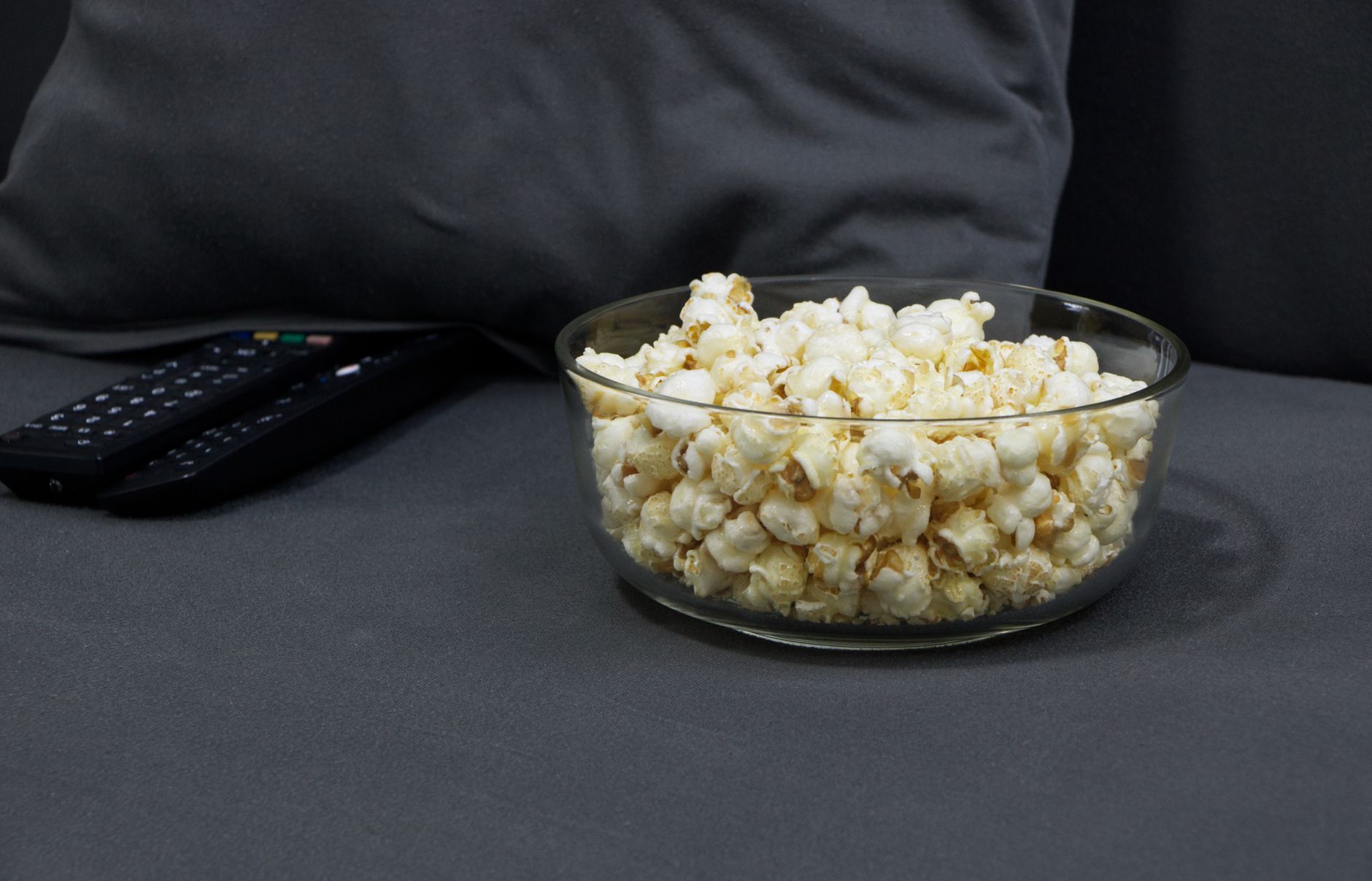
Popcorn is a popular snack enjoyed by many for its light, airy texture and satisfying crunch. It is often associated with movie nights and casual gatherings. However, beyond its delightful taste and versatility, popcorn is a source of dietary fiber. Understanding its fiber content can help you make informed choices about snacking and meal planning.
This article explores how much fiber is in popcorn, including amounts based on various serving sizes. It will also cover the benefits of incorporating fiber in your diet, tips for preparing popcorn, and ways to enhance its flavor while maintaining its health benefits.
How Much Fiber Is in Popcorn?
Popcorn contains approximately 1.2 grams of fiber per tablespoon of unpopped kernels, and about 3.5 grams of fiber per 1-ounce serving of popped popcorn. The fiber content can vary slightly depending on the preparation method and whether any oils, flavorings, or toppings are added.
Understanding Fiber and Its Benefits
Fiber is a crucial part of a healthy diet, aiding digestion and promoting a feeling of fullness. It comes in two types: soluble and insoluble. Both types provide various health benefits, including:
- Improving digestive health and regularity
- Helping to maintain healthy blood sugar levels
- Assisting in weight management by promoting satiety
- Supporting heart health by lowering cholesterol levels
Popcorn’s Fiber Content by Serving Size
To provide a clear understanding of the fiber content in popcorn, here’s a breakdown by different serving sizes:
| Serving Size | Popped Popcorn (grams of fiber) | Unpopped Kernels (grams of fiber) |
|---|---|---|
| 1 tablespoon (unpopped) | 0.1 | 1.2 |
| 1 ounce (about 3 cups popped) | 3.5 | N/A |
| 3 cups popped | 3.5 | N/A |
| 1 serving (about 4 cups popped) | 4.5 | N/A |
| 100 grams (about 12 cups popped) | 14.5 | N/A |
Factors Affecting Fiber Content
While popcorn is a tasty way to add fiber to your diet, its fiber content can be influenced by several factors:
- Preparation Method: Air-popped popcorn retains the highest fiber content, while oil-popped or buttered versions can reduce fiber levels slightly.
- Additives and Toppings: The addition of flavorings, cheese, or other toppings may change the overall nutritional profile, including fiber content.
- Kernel Variety: Different types of popcorn may contain varying fiber levels. Hulless popcorn varieties tend to have less fiber compared to traditional varieties.
How to Prepare Popcorn for Maximum Fiber
Maximizing the fiber content in your popcorn begins with the preparation method. Here are some popular methods:
1. Air Popping
Air popping is the healthiest method and maintains the fiber content effectively:
- Measure 1/4 cup of popcorn kernels.
- Place them in an air popper and cover as per the manufacturer’s instructions.
- Turn on the air popper; popped popcorn should emerge in a few minutes.
- Serve plain or season to taste.
2. Stovetop Popped
Preparing popcorn on the stovetop can be nearly as healthy as air popping:
- In a large pot, heat 1-2 tablespoons of oil (e.g., coconut or canola oil) over medium heat.
- Add 1/4 cup of popcorn kernels to the pot and cover with a lid.
- Shake the pot occasionally to prevent burning and ensure even popping.
- Once popping slows, remove from heat and let it sit for a minute before opening the lid.
- Season as desired.
3. Microwave Popcorn
Microwave popcorn is convenient but check the nutrition label for additives:
- Purchase plain, unbuttered microwave popcorn bags.
- Follow the instructions on the bag to pop.
- After popping, season lightly if preferred.
Flavoring Your Popcorn Without Sacrificing Fiber
While popcorn is delicious plain, adding flavor can enhance the experience without compromising its fiber content. Consider these healthier alternatives:
- Herbs and Spices: Sprinkle garlic powder, onion powder, chili powder, or nutritional yeast for a savory option.
- Cinnamon or Cocoa: For a sweet treat, try lightly dusting with cinnamon or cocoa powder.
- Parmesan Cheese: A small amount of grated Parmesan can add flavor while keeping the fiber intact.
Common Mistakes to Avoid When Making Popcorn
Here are some common pitfalls to watch out for when making popcorn:
- Using Too Much Oil: While some oil is necessary for stovetop methods, excessive oil can dampen the popcorn’s fiber benefits.
- High Heat: Cooking popcorn over high heat can result in burnt kernels and uneven popping. Medium heat is generally best.
- Neglecting the Seasoning: Plain popcorn can be bland; seasoning it appropriately will enhance the taste and encourage healthier snacking habits.
Storage and Shelf Life of Popcorn Kernels
For the best popping results and to maintain fiber content, proper storage of popcorn kernels is essential:
- Store unpopped kernels in an airtight container in a cool, dry place.
- Popcorn generally has a shelf life of 1-2 years, but it’s best used within six months for optimal freshness.
- Popped popcorn can be stored in an airtight container for about 1 week but is best consumed fresh.
Incorporating Popcorn Into Your Diet
Adding popcorn to your diet is easy, thanks to its versatility. Here are some practical ideas:
- Snacks: Enjoy it as a low-calorie snack between meals.
- Movie Nights: A must-have for casual gatherings and movie nights, providing a guilt-free treat.
- Salads: Add crushed popcorn to salads for an added crunch.
Health Considerations with Popcorn
While popcorn offers numerous benefits, it’s essential to consider certain factors:
- Choose whole grain popcorn to maximize fiber intake.
- Be wary of flavored popcorn varieties, as many may contain added sugars, unhealthy fats, and artificial ingredients that can diminish health benefits.
- Moderation is key. Although high in fiber, popcorn can still be calorie-dense when prepared with butter or other heavy toppings.
Conclusion
Popcorn is not only a fun snack but a fiber-rich option that can contribute to a healthy diet. Proper preparation and seasoning can deliver a delicious treat without sacrificing nutritional value. With its versatility and ease of preparation, popcorn can be a staple in your snacking repertoire.
Ready to elevate your popcorn experience? Explore more ideas with our delicious popcorn balls recipe or learn different popcorn seasoning techniques.