
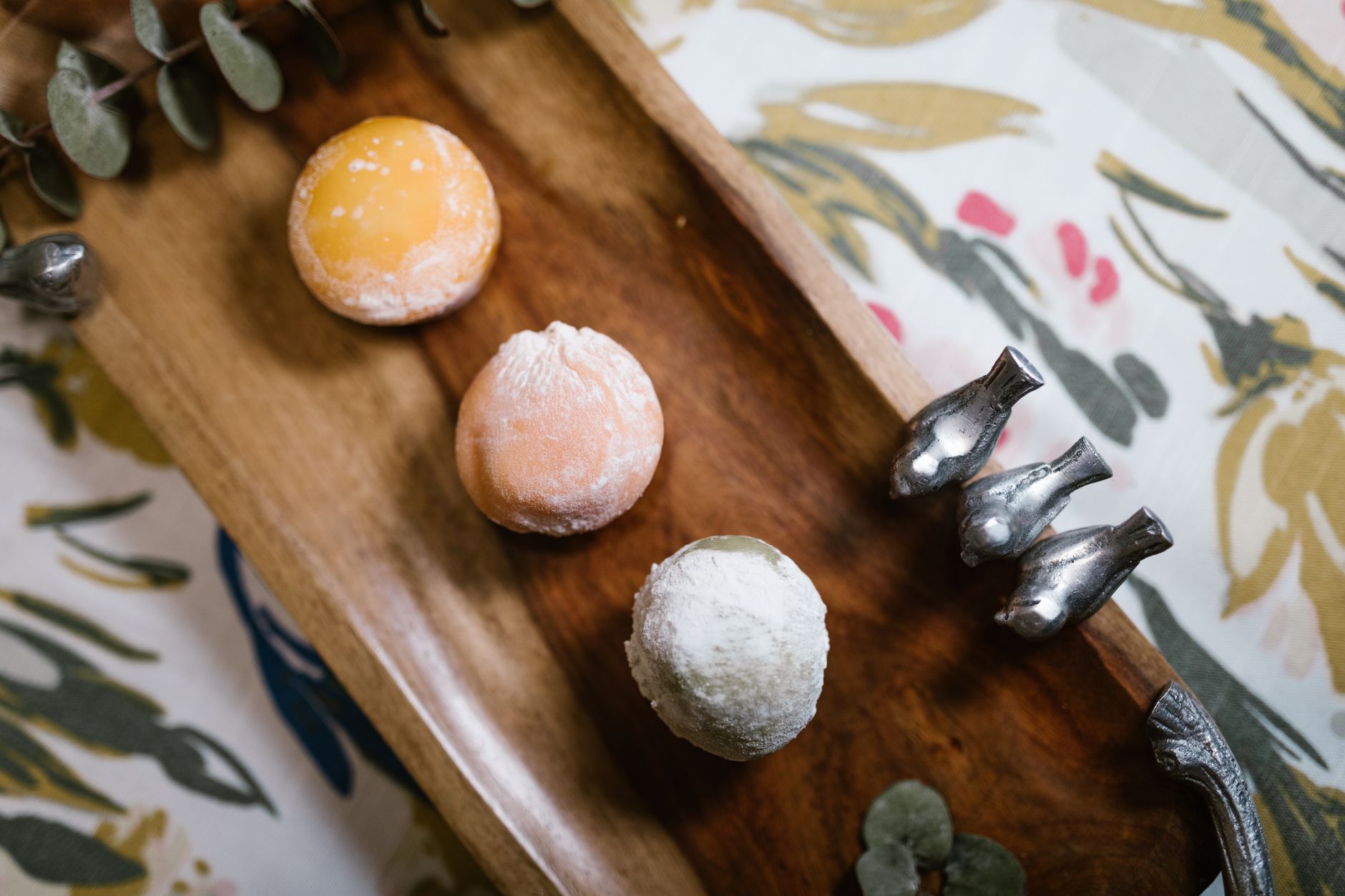
Mochi is a traditional Japanese rice cake that has captured the hearts and palates of many around the world. It is made from glutinous rice, which is pounded into a sticky, elastic dough. While its origins can be traced back to Japan, mochi has deep cultural significance and varied regional adaptations that showcase its versatility.
This article dives into the origins of mochi, its place in Japanese culture, variations found beyond Japan, and how you can incorporate this delightful treat into your culinary repertoire.
Where Does Mochi Originate From?
Mochi originates from Japan, where it was historically linked to rice cultivation and agricultural ceremonies. Dating back over a thousand years, this traditional rice cake is made primarily from sweet glutinous rice, also known as mochi rice. It is pounded and molded into various shapes, symbolizing prosperity and celebration.
The Historical Context of Mochi
The history of mochi dates back to ancient Japan, particularly during the Heian period (794–1185 AD). It was primarily associated with rice cultivation, which was central to Japanese society. As rice was a staple food, the creation of mochi became a way to celebrate the harvest and pay respect to rice deities.
Originally, mochi was utilized more in savory dishes and traditional rituals rather than as a dessert. This practice exemplified a strong connection between food and spirituality, demonstrating the importance of agriculture in Japanese culture.
Mochi in Japanese Culture
Mochi occupies a significant place in various cultural practices and celebrations in Japan. For instance, “Mochitsuki,” the traditional mochi-pounding ceremony, is performed during New Year celebrations and other festive occasions. This act involves pounding steamed glutinous rice to achieve the characteristic sticky dough of mochi.
During the New Year, families gather to make mochi that becomes part of various dishes, such as “ozoni,” a soup featuring mochi and vegetables. Furthermore, mochi is often offered at shrines as “shrine offerings,” showcasing its religious significance.
Festivals and Special Occasions
Several festivals across Japan specifically celebrate mochi. For example:
- Mochi Festival: Held annually in various regions, this festival features activities such as mochi-pounding competitions, food stalls offering various mochi treats, and cultural performances.
- Seollal (Lunar New Year): In Japan, this holiday includes eating “kagamimochi,” a decoration made of stacked mochi that is offered to the gods for a blessed year ahead.
Different Types of Mochi
While many people may be familiar with the iconic round, white mochi, there are several variations that reflect regional ingredients and preferences. Here are some of the most popular types:
1. Daifuku
Daifuku is perhaps the most recognized form of mochi, typically consisting of a ball of mochi filled with sweet fillings. Common fillings include:
- Anko: A sweet red bean paste made from azuki beans.
- Ice Cream: Mochi ice cream has gained popularity worldwide, featuring a bite-sized portion of ice cream wrapped in mochi.
- Fruit: Fresh fruit, such as strawberries, can also be used as filling, as seen in “ichigo daifuku.”
2. Sakura Mochi
This variation is often enjoyed during Hanami, the cherry blossom viewing festival in spring. Sakura mochi is made by wrapping a sweet pink-colored mochi around a sweetened red bean paste, and it’s traditionally wrapped in a pickled cherry blossom leaf. This adds a unique floral aroma and flavor, celebrating the beauty of springtime.
3. Kiri Mochi
Kiri mochi is rectangular-shaped and often sold as a pre-packaged item. It is typically used in soups or grilled and eaten as a savory snack. Kiri mochi can be found in various textures, and its adaptability makes it a kitchen staple.
4. Warabi Mochi
Unlike traditional mochi made from glutinous rice, warabi mochi is made from bracken starch and has a jelly-like texture. It is coated with sweet potato or soybean flour and is served cold, often enjoyed with syrup for added sweetness.
The Global Influence of Mochi
Mochi’s appeal has transcended borders, inspiring various adaptations and fusion recipes worldwide. In the United States, for example, mochi ice cream has become a beloved dessert, combining traditional mochi’s chewy texture with diverse and creative ice cream flavors.
In other Western countries, the increasing popularity of mochi has led to creative interpretations, such as mochi waffles or mochi pancakes, each celebrating the unique texture and flavor experience that mochi offers.
How to Make Traditional Mochi at Home
If you’re intrigued by mochi’s chewy texture and flavor, making it at home can be a rewarding culinary experience. Here we provide a basic recipe for making classic mochi using glutinous rice.
Yield
This recipe yields about 10 pieces of mochi.
Preparation Time
Preparation: 30 minutes
Cooking Time: 20 minutes
Total Time: 50 minutes (plus resting time)
Ingredients
- 1 cup glutinous rice (mochi rice)
- 1/2 cup water
- 1/4 cup sugar (optional, for sweetness)
- Cornstarch or potato starch (for dusting)
- Fillings (optional, such as anko, fruit, or ice cream)
Essential Equipment
- Steamer or bamboo steamer
- Mixing bowl
- Wooden pestle or rolling pin
- Plastic wrap or mochi molds
- Cutting board
- knife
Method
- Soak the glutinous rice in water for at least 8 hours or overnight. This ensures the rice is adequately hydrated for cooking.
- Drain the soaked rice and place it in a steamer lined with cheesecloth or a bamboo steamer basket. Steam for 20-30 minutes until the rice becomes translucent and tender.
- Once steamed, transfer the rice into a mixing bowl. Add the sugar (if using) while still hot. Use a wooden pestle or rolling pin to pound the rice until it becomes a smooth, sticky dough.
- Lightly dust your hands and a clean surface with cornstarch. Divide the dough into equal pieces (about 1-2 inches in diameter).
- If desired, create a small indentation in each piece and add your filling (such as anko or fruit) before rolling it back into a ball.
- Dust each mochi ball with additional cornstarch or potato starch to prevent sticking and allow it to cool completely on a wire rack.
- Mochi is best enjoyed fresh but can also be stored in an airtight container for a day or two.
Tips for Making Mochi
When making mochi, consider the following tips for better results:
- Ensure the rice is fully cooked when steaming. Under-cooked rice can result in a rough texture.
- Be careful not to over-pound the mochi dough, as this can make it tough. The right technique should yield a smooth, elastic consistency.
- Dust cornstarch liberally to prevent the mochi from sticking to surfaces and to each other.
Common Mistakes and Troubleshooting
Here are some potential pitfalls and how to avoid them:
- Overcooked or Undercooked Rice: This can impact the mochi’s texture. Aim for a smooth, transparent finish after steaming.
- Sticking Issues: More cornstarch can help; remember to dust both the surface and the mochi balls themselves.
- Pounding Technique: Avoid overworking the dough, as this can alter its texture and make it dense.
Storing Mochi
Fresh mochi can be stored in an airtight container at room temperature for up to two days. For longer storage, consider freezing mochi. To freeze, place mochi on a tray lined with parchment paper and freeze individually before transferring to a freezer-safe container. Frozen mochi can last for one to two months. When ready to eat, let it sit at room temperature for a few minutes or microwave it for a few seconds to soften.
Variations and Serving Suggestions
The beauty of mochi lies in its versatility. Here are several ways to enjoy mochi:
- Grilled Mochi: Grill or broil mochi until slightly crispy. Brush with soy sauce and enjoy as a savory treat.
- Mochi with Soy Flour: Dust mochi with kinako (roasted soybean flour) for a nutty flavor.
- Mochi Sundae: Serve mochi with ice cream, drizzling with your favorite syrup or fruit toppings.
Mochi can fit seamlessly into many meals, from breakfast to dessert. Its chewy texture can elevate salads, and it can be a delightful addition in soups or as a snack.
The vibrant tradition of mochi making and consumption represents a unique cultural heritage. While its origins lie deeply rooted in Japan, the adaptability of mochi makes it a global favorite. Its unassuming appearance hides a world of flavors and textures waiting to be explored.
As you broaden your culinary horizons, don’t hesitate to try your hand at making this Japanese treat. Delve deeper into the world of mochi by experimenting with various fillings, flavors, and preparations.
To learn more about delicious mochi variations, try making mochi waffles for a fun twist on this classic dish.