
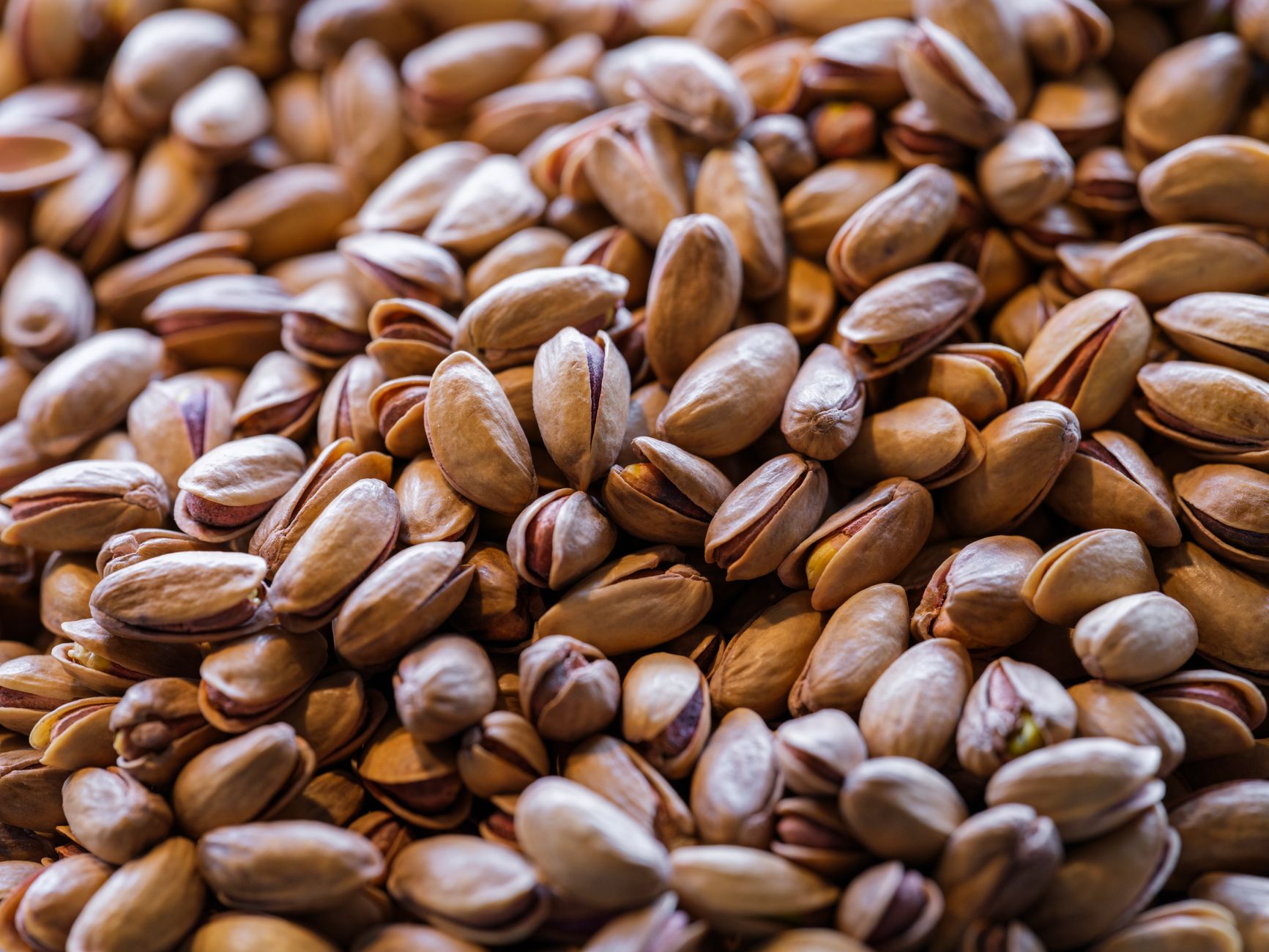
Pistachios are not only a beloved snack but also showcase a rich history that traces back thousands of years. Known for their distinctive flavor and creamy texture, these green nuts have roots that intertwine with ancient cultures. Understanding where pistachios originate from can enhance your appreciation for this popular nut and inspire your culinary creativity.
This article delves into the history of pistachios, their cultivation, and the various regions known for producing these flavorful nuts. We will explore their journey from ancient times to the present and how they can be utilized in modern cooking and recipes.
Where Do Pistachios Originate From?
Pistachios are believed to have originated in the Middle East, particularly in regions such as Iran, Afghanistan, and Syria. They have been cultivated for thousands of years, with archaeological evidence suggesting that they were consumed by humans as early as 6,000 B.C. The early trade routes helped spread pistachios to Mediterranean countries, where they flourished in the warm climates.
The cultivation of pistachios spread beyond their original growing regions, and today they are widely grown in areas such as the United States, especially in California, as well as in Turkey, Greece, and Italy. Their adaptability to various climates has contributed to their global popularity.
The Historical Journey of Pistachios
The history of pistachios is fascinating, reflecting the journey of human civilization itself. These nuts were highly valued in ancient cultures, often referred to as “the nuts of the kings.” Let’s take a closer look at their historical significance.
Ancient Cultures and Their Love for Pistachios
Pistachios have long been associated with luxury and prosperity. In ancient Persia, they were a favored food among the elite. Historical texts suggest that they were even mentioned in royal gardens, symbolizing abundance and wealth. The nuts were so revered that they often found their way into dishes prepared for kings and special occasions.
In ancient Rome, pistachios were considered a delicacy and were frequently used in culinary creations. They provided not only nutrition but also a satisfying crunch and delightful flavor that complemented various dishes.
The Spread of Pistachios Throughout the World
As trade routes expanded, the popularity of pistachios spread throughout the Mediterranean and beyond. The nut became a staple in many regional cuisines, inspiring unique culinary applications and recipes. By the Middle Ages, pistachios were cultivated extensively in countries such as Turkey, where they became integral to traditional desserts, savory dishes, and even drinks.
In the 19th century, pistachios made their way to the United States. The first pistachio trees were planted in California in the late 1800s, but it wasn’t until the 20th century that commercial cultivation took off. Today, California is one of the world’s leading producers of pistachios.
The Cultivation of Pistachios
The process of cultivating pistachios is intricate, requiring well-drained soil and specific climatic conditions characterized by hot, dry summers and cool winters. This section examines how pistachios are farmed and their impact on the regions that produce them.
Growing Conditions
Pistachios thrive in regions that provide full sun and require a significant amount of heat to produce a successful crop. They are drought-resistant and can adapt to poor soil, making them suitable for arid regions. The trees typically take about five to seven years to bear fruit, with optimal production occurring around the 15-year mark.
Harvesting Process
Harvesting pistachios is a meticulous task. The nuts are typically harvested in late summer to early fall. Farmers monitor the trees for changes in nut color, which suggests ripening. Once the nuts are ready, they are mechanically shaken from the trees. This process ensures minimal damage, preserving the quality of the nuts.
The nuts are then dried and hulled to remove their outer shell. Post-harvesting processing is essential for maintaining freshness and flavor, as well as preparing the pistachios for market.
Different Varieties of Pistachios
Much like wines or olives, the flavor profile of pistachios can vary significantly based on their variety and the region in which they are grown. This section will explore the most common types of pistachios and their distinct characteristics.
Common Pistachio Varieties
- Kerman: This is the most widely cultivated variety of pistachios in the United States. Kerman pistachios have a rich flavor and are known for their large size and attractive shells.
- Ahmad Aghaei: This Iranian variety is celebrated for its elongated shape and vibrant green color. It is often regarded as having a slightly sweeter flavor compared to Kerman.
- Longo: Predominantly grown in Turkey, Longo pistachios are known for their thinner shells and rich, nutty taste, making them a favorite for snacking.
Flavor Profiles
The flavor of pistachios can range from mildly sweet to rich and buttery, depending on the variety. High-quality pistachios often have a pleasant crunch and a subtle earthy aroma that enhances their overall appeal. These distinct flavors make them a versatile ingredient for both sweet and savory dishes.
Culinary Uses of Pistachios
Pistachios are much more than just a snack; they can be incorporated into a wide range of dishes. From savory meals to desserts, their unique flavor and texture make them a versatile ingredient in the kitchen.
Snacking and Snacks
Roasted and salted pistachios are a popular choice for snacking. They are commonly served in bowls at gatherings or enjoyed on their own during movie nights. Their natural saltiness enhances their flavor, making them hard to resist.
In Cooking
Pistachios can elevate many dishes, serving as a crunchy topping for salads, a flavor boost for grain bowls, or even as a key ingredient in sauces. They pair beautifully with ingredients such as citrus, herbs, and various proteins, including lamb and seafood.
Baking and Desserts
Pistachios play a significant role in desserts as well. Their vibrant color and unique taste make them a favorite for ice creams, pastries, and cakes. They can be ground into a flour for gluten-free baking or used as a topping to add texture and flavor contrast to rich desserts.
Popular Recipes Featuring Pistachios
To illustrate the versatility of pistachios, here are a two sample recipes showcasing how these nuts can be utilized effectively in cooking and baking.
Pistachio Pesto
Pistachio pesto is a unique twist on the classic basil pesto. It offers a rich, nutty flavor that pairs beautifully with pasta, grilled vegetables, or as a spread on breads.
Yield: About 1 cup
Preparation Time: 10 minutes
Ingredients:
- 1 cup shelled pistachios
- 2 cups fresh basil leaves
- 2 garlic cloves
- 1/2 cup olive oil
- 1/4 cup grated Parmesan cheese
- Salt and pepper to taste
Equipment:
- Food processor
- Measuring cups and spoons
- Spatula
Method:
- In a food processor, combine the pistachios, basil, and garlic. Pulse until the mixture is finely chopped.
- With the food processor running, slowly drizzle in the olive oil until the mixture is smooth.
- Add the Parmesan cheese and pulse until well combined.
- Season with salt and pepper to taste. Adjust the consistency with more olive oil if necessary.
Pistachio Latte
This unique pistachio latte offers a delightful blend of flavors and is perfect for coffee lovers looking for something different.
Yield: 2 servings
Preparation Time: 5 minutes
Cooking Time: 5 minutes
Total Time: 10 minutes
Ingredients:
- 2 shots of espresso (or 1 cup strong coffee)
- 1/4 cup pistachio milk (store-bought or homemade)
- 1 tablespoon pistachio syrup (or sweetener of choice)
- Whipped cream for topping (optional)
- Crushed pistachios for garnish (optional)
Equipment:
- Espresso machine or coffee maker
- Milk frother or small saucepan
- Coffee mugs
Method:
- Prepare the espresso or strong coffee.
- In a separate saucepan, heat the pistachio milk and whisk or froth until it becomes creamy.
- Combine the hot espresso and pistachio syrup in the coffee mugs.
- Pour the frothy pistachio milk over the coffee and top with whipped cream and crushed pistachios if desired.
Storing and Choosing Quality Pistachios
Proper storage of pistachios is essential to preserve their freshness and flavor. This section outlines how to select high-quality nuts and the best practices for storing them.
Choosing Quality Pistachios
When selecting pistachios, look for nuts that are fully intact with shells that are slightly cracked open, indicating freshness. The color should be a vibrant green, signaling good quality. Avoid nuts that are dull or shriveled, as these can indicate age or poor quality.
Storage Practices
- Pantry: Store unopened bags of pistachios in a cool, dark place. Once opened, transfer them to an airtight container to maintain freshness and prevent exposure to air.
- Refrigerator: For longer shelf life, keep pistachios in an airtight container in the refrigerator, where they can last for several months.
- Freezer: Pistachios can also be frozen in airtight bags for up to a year, allowing for extended preservation of their flavors.
Exploring Regional Cuisines with Pistachios
To fully appreciate pistachios, it’s worth exploring their role in various culinary traditions across the globe. Each region brings a unique touch to this versatile nut.
The Middle East
Pistachios play an integral role in Middle Eastern cuisine. They are used in dishes like baklava, a sweet pastry filled with layers of nut and honey. They’re also a key ingredient in traditional rice dishes, adding depth and flavor.
The Mediterranean
In Mediterranean cooking, pistachios appear in savory dishes such as tagines and roasted meat dishes. The nut’s earthy flavor complements the spice blends typical of this cuisine.
Italian Cuisine
Italian desserts, particularly gelato and biscotti, often feature pistachios, lending richness and texture. They are also used in savory sauces to add a unique twist to pasta and risotto dishes.
Common Mistakes When Using Pistachios
While cooking with pistachios can be a delightful experience, there are some common pitfalls to avoid. This section highlights these errors and provides solutions to ensure successful recipes.
Using Old Pistachios
One of the biggest mistakes is using stale or old nuts. Always check the expiration date and ensure they have a fresh smell. Stale nuts can impart a bitter taste to your dishes.
Not Roasting Them
Many recipes benefit from the enhanced flavor of roasted pistachios. Consider lightly toasting them before adding them to your dishes for an added depth of flavor. Be mindful of the roasting time to avoid burning.
Ignoring Texture
Pistachios can vary in texture based on how they are processed. For dishes requiring a creamy consistency, using pistachio cream or butter is beneficial. For a crunchier element, coarsely chop or crush the nuts as desired.
A Summary of Pistachios’ Cultural Importance
Pistachios have played a significant role in various cultures throughout history, celebrated for their taste and health benefits. They continue to be a cherished ingredient in countless recipes and dishes, symbolizing luxury and indulgence.
Whether enjoying a handful as a snack, incorporating them into a dish, or crafting a delicious pistachio-based dessert, appreciating the nuances of this nut enhances culinary experiences.
If you are looking to expand your cooking repertoire, pistachios can play a pivotal role in a variety of recipes. To begin, try your hand at making a pistachio latte or a flavorful pistachio pesto. Explore the rich heritage and culinary possibilities that pistachios offer as you experiment in your kitchen.