
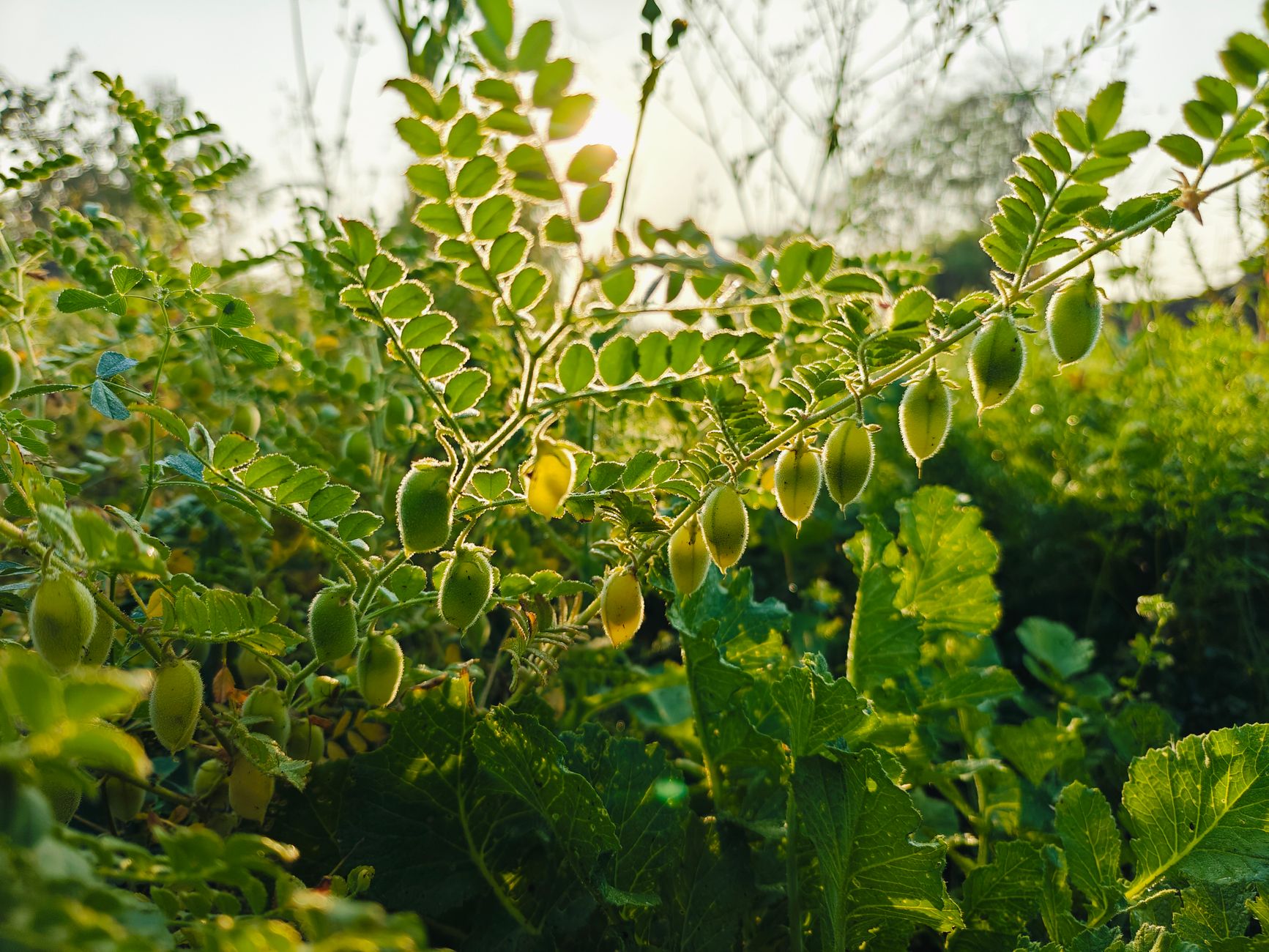
Chickpeas, also known as garbanzo beans, have a rich history that spans thousands of years and are cherished as a versatile ingredient across numerous cuisines. Their journey from ancient origins to contemporary kitchen staples reflects their significance as both a nutritional powerhouse and a culinary delight.
In this article, we will explore the origins of chickpeas, their geographic and historical significance, their cultivation process, and the diverse culinary uses they have today.
Where Do Chickpeas Come From?
Chickpeas are believed to have originated in the Middle East over 7,000 years ago, particularly in regions that are now parts of Turkey, Syria, and Lebanon. They have since spread globally, becoming essential in many cuisines, particularly those in Mediterranean, Middle Eastern, and South Asian cooking.
The History of Chickpeas
The cultivation of chickpeas dates back to the Neolithic era. Archaeological evidence suggests that chickpeas were among the first crops to be cultivated in the area known as the Fertile Crescent, which boasts some of the earliest human civilizations. From there, they traveled along trade routes, eventually making their way to Europe and the Indian subcontinent.
In ancient cultures, chickpeas were highly valued not only as a food source but also for their nutritional benefits. They were commonly referenced in historical texts, such as the writings of the Romans and Greeks, who utilized them in various dishes.
Chickpea Varieties
There are several varieties of chickpeas, with the most common being:
- Desi Chickpeas: These are small, dark, and have a rough coat. They are predominantly grown in India, Ethiopia, and Mexico.
- Kabuli Chickpeas: Larger and creamier in color, Kabuli chickpeas are commonly found in Mediterranean and Middle Eastern cuisines. They are favored for their sweet taste and tender texture.
- Black Chickpeas: Known as Kala Chana, these chickpeas are darker and smaller than their counterparts. They have a stronger flavor and are popular in Indian cooking.
Growing Chickpeas
Chickpeas thrive in warm climates and well-drained soil. They are primarily grown in regions such as India, Australia, Turkey, and Pakistan, where conditions are optimal for their growth. The process of cultivating chickpeas involves several stages:
- Soil Preparation: Farmers prepare the soil by tilling and ensuring it has proper drainage.
- Sowing Seeds: Chickpea seeds are planted in rows during the cooler months, typically late fall or early spring, depending on the region.
- Watering and Maintenance: Chickpeas require minimal irrigation once established, as they are drought-resistant. Regular weed control is essential during the initial growth phase.
- Harvesting: Once the plants turn brown and dry, typically after 90-100 days, they are harvested, allowing the pods to mature fully.
Nutritional Profile of Chickpeas
Chickpeas are not only versatile in the kitchen but also boast an impressive nutritional profile. They are a rich source of protein, fiber, vitamins, and minerals. A typical serving size (about half a cup, cooked) contains approximately:
- Protein: 7 grams
- Fiber: 6 grams
- Iron: 4% of the Daily Value (DV)
- Phosphorus: 25% of the DV
- Folate: 15% of the DV
This makes them an excellent option for vegetarians and vegans seeking plant-based protein options, as well as a hearty addition to any meal.
Culinary Uses of Chickpeas
The adaptability of chickpeas allows them to be incorporated into various dishes across different cuisines. Here are some popular culinary applications:
1. Hummus
Hummus is perhaps one of the most well-known chickpea dishes. This creamy dip combines chickpeas, tahini, lemon juice, garlic, and olive oil, resulting in a savory and satisfying spread perfect for pita bread, vegetable sticks, or as a delightful addition to sandwiches.
2. Salads
Chickpeas add protein and texture to salads. They can be used in classic Mediterranean salads with cucumbers, tomatoes, and olives, or in hearty grain bowls to provide a satisfying meal.
3. Curries and Stews
In South Asian cuisine, chickpeas are commonly used in curries like chana masala. Their nutty flavor pairs beautifully with spices and creamy sauces, enriching hearty stews.
4. Roasted Snack
Roasted chickpeas have gained popularity as a healthy snack. When seasoned with spices and baked until crispy, they provide a crunchy, satisfying alternative to traditional snacks like chips.
Chickpea Flour
Chickpeas can also be ground into flour, which serves as a gluten-free alternative in baking and cooking. Chickpea flour is commonly used in various recipes such as:
- Socca (a French chickpea pancake)
- Besan (used in Indian cooking for fritters and batters)
- Thickening soups and sauces
Common Cooking Techniques with Chickpeas
Chickpeas can be used in various cooking methods, each contributing to different textures and flavors. Here are some common techniques:
- Boiling: Cook chickpeas in water until tender. This is the most common method for using dried chickpeas, which should be soaked overnight before boiling.
- Roasting: Toss cooked or canned chickpeas with oil and spices and roast them in the oven until crispy. This method enhances their flavor and provides a satisfying crunch.
- Blending: Blend cooked chickpeas to create smooth dips or spreads like hummus, which can also incorporate additional ingredients for varied flavors.
Buying and Storing Chickpeas
When purchasing chickpeas, you can choose between dried and canned varieties. Both have advantages:
- Dried Chickpeas: These are typically more economical and have a longer shelf life. They require soaking and cooking but allow for full control over texture.
- Canned Chickpeas: Convenient and ready to eat, canned chickpeas save time and can be added directly to dishes. However, they may contain added salt or preservatives.
To store chickpeas:
- Dried chickpeas should be kept in a cool, dry place in an airtight container.
- Canned chickpeas should remain unopened until needed; once opened, transfer to a sealed container and refrigerate, consuming within 3-4 days.
Chickpeas Around the World
Chickpeas have carved a niche in global cuisine, influenced by local cultures and cooking styles. Here are a few notable regional variations:
Middle Eastern Cuisine
In Middle Eastern cooking, chickpeas take center stage in dishes like falafel and various meze platters that include dips made with chickpeas.
Indian Cuisine
Chickpeas are a staple in Indian households, featured prominently in curries, snacks like bhaji, and even desserts.
European Cuisine
In Mediterranean countries, chickpeas serve as an important ingredient in salads, stews, and pasta dishes.
Latin American Cuisine
Chickpeas are sometimes used in Latin American dishes, enriching soups and providing protein in vegetarian meals.
Chickpeas: An Environmental Perspective
Chickpeas are often highlighted as a sustainable crop. They require less water than many other crops, helping to promote soil health through nitrogen fixation. They can be crucial in crop rotation, enhancing the overall quality of soil used in farming.
Tips for Cooking with Chickpeas
When working with chickpeas, consider these tips to enhance your cooking experience:
- Soaking dried chickpeas overnight will reduce cooking time and improve digestibility.
- Using baking soda during boiling can help soften dried chickpeas faster.
- Experiment with spices and herbs to elevate the flavor profile of chickpea dishes.
- If using canned chickpeas, rinse them well to remove excess sodium and improve taste.
Chickpea Substitutions
If you find yourself without chickpeas, here are some practical substitutions:
- White Beans: Varieties like cannellini or navy beans can mimic the texture and flavor of chickpeas in many dishes.
- Lentils: While they differ in flavor, lentils can provide a similar protein component in salads and stews.
- Green Peas: In certain recipes, green peas can stand in for chickpeas, particularly in salads and as toppings.
Common Mistakes When Cooking with Chickpeas
Below are some common pitfalls to avoid when working with chickpeas:
- Not Soaking Dried Chickpeas: Skipping this step can lead to tough, undercooked chickpeas.
- Overcooking: Chickpeas can become mushy if boiled for too long. Aim for cooking them just until tender.
- Ignoring Flavoring: Chickpeas themselves can be bland. Always season well, especially when making dips or salads.
With a bit of care, chickpeas can enhance countless dishes, making them a valuable addition to any kitchen. Their nutritional benefits and culinary versatility make them an ingredient worth incorporating into your meal planning.
Exploring the world of chickpeas can lead to exciting culinary delights, such as creating a rich hummus or preparing a refreshing chickpea salad. To get started, check out our hummus recipe without tahini and chickpea salad recipe for delicious inspiration.