
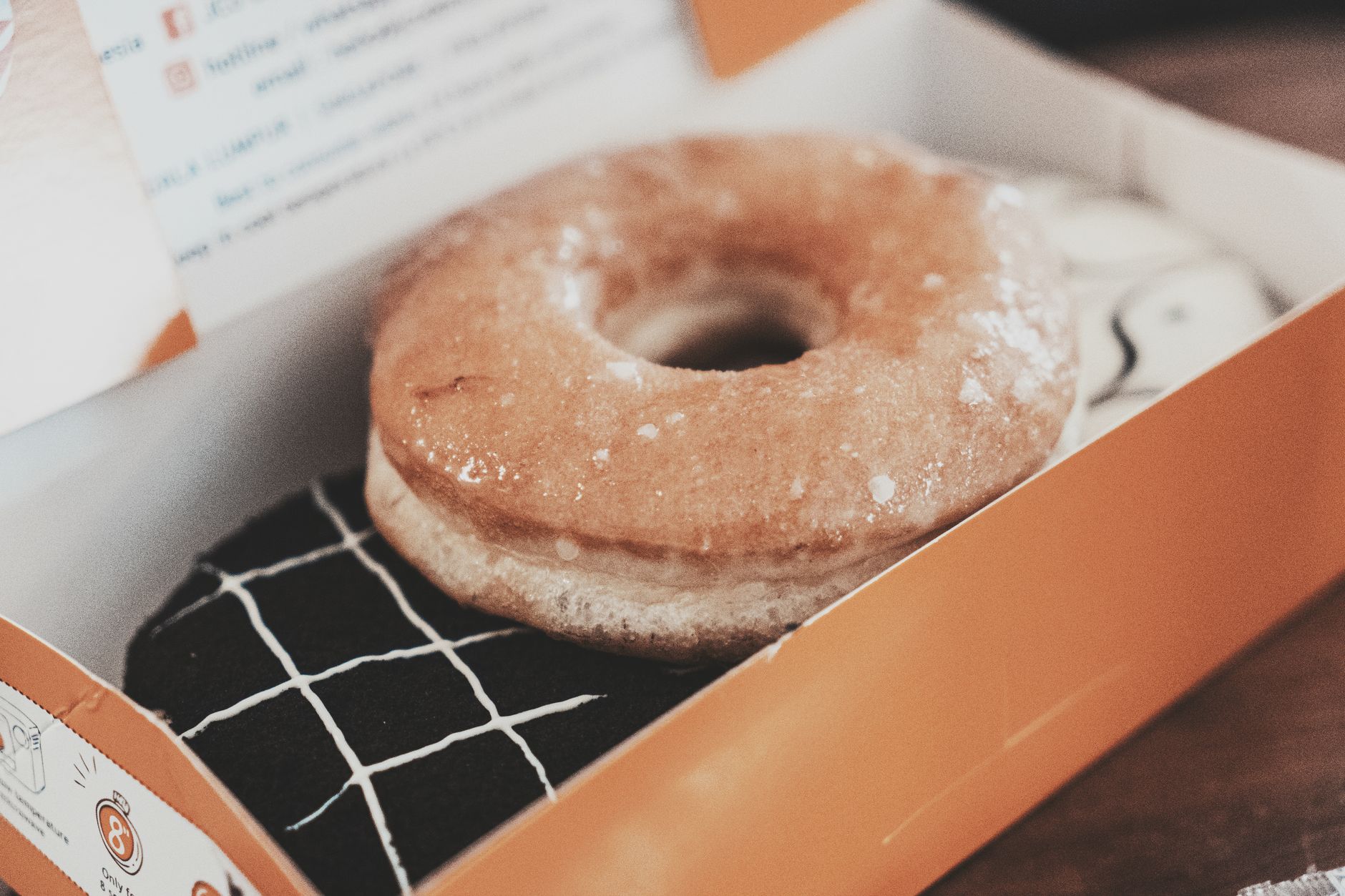
Donuts, often beloved for their soft, fluffy texture and delightful sweetness, have a storied history that reflects regional variations and cultural influences. These round treats, sometimes glazed or filled with cream, maintain an iconic status in many countries, especially in America. But where did donuts originate, and how have they evolved over the years?
This article delves into the origins of donuts, their transformation through various cultures, and how they became a staple in modern desserts. From traditional Dutch settlers to contemporary innovation, the journey of the donut is rich and flavorful.
Where Did Donuts Originate?
Donuts originated from a blend of European and American culinary traditions. The first documented form of donuts dates back to the early 19th century with Dutch settlers in America, who fried a type of sweetened dough called “olykoeks,” meaning oily cakes. Their shape and flavor gradually evolved into what we recognize today as donuts.
The Early Development of Donuts in Europe
The earliest ancestors of donuts can be traced back to Europe, particularly in the Netherlands. The Dutch made olykoeks—fried dough similar to what we know as donuts. These treats were often filled with nuts, fruits, or spices and were commonly made during festive occasions or celebrations.
As these Dutch settlers made their way to America in the 17th century, they brought their culinary traditions with them. The practice of frying dough became more popular in the New World, leading to the initial forms of donuts. The combination of the frying style and sweetness crafted a unique dessert that resonated with American tastes.
The Transformation in America
While the Dutch introduced the concept of fried dough, it wasn’t until the 19th century that donuts began to take their distinct shape in America. One significant figure in the development of donuts was Elizabeth Gregory, a New England ship captain’s mother, who is credited with creating the ring-shaped donut. To prevent the uncooked center of the dough from remaining raw, she inserted nuts into the dough before frying, creating the first filled donuts.
In 1847, Gregory’s son, Hanson Gregory, is said to have invented the classic hole in the middle, allowing for even cooking. This innovation made donuts much easier to fry and led to the iconic appearance we recognize today. The first printed recipe for donuts appeared in a New England cookbook in 1829, further solidifying their place in American cuisine.
Donuts in the 20th Century
The 20th century brought about a significant boom for donuts in America. With the rise of eateries and cafes, donuts became synonymous with breakfast, and their popularity skyrocketed during World War I and II. Soldiers were often served donuts by volunteers, with the Salvation Army playing a crucial role in providing these sweet treats to troops. This act led to the term “donut lassies,” who became a symbol of comfort during the war.
Following the war, the donut’s status as a popular snack solidified. Many iconic chains emerged, most notably Dunkin’ Donuts, established in 1950, and Krispy Kreme in 1937. These companies popularized the availability of donuts, making them a staple across the United States.
Global Variations of Donuts
While donuts are often associated with American culture, various countries have their own unique takes on fried dough. Here are a few notable examples:
- Berliners: In Germany, similar to jelly-filled donuts, these treats are soft, round, and often dusted with powdered sugar.
- Churros: Common in Spain and Latin America, churros are long, thin pastries that are deep-fried and often coated in cinnamon sugar. They are frequently served with chocolate sauce for dipping.
- Beignets: A favorite in New Orleans, these square-shaped fried pastries are dusted with powdered sugar, emphasizing a light and airy texture.
- Infladitas: In the Dominican Republic, these treats are similar to donuts but are made with a thicker, less sweet dough and are often enjoyed with a variety of fillings.
The Donut Industry Today
Today, donuts remain a ubiquitous presence in many cultures worldwide. The industry has expanded and diversified to include artisanal bakeries offering exotic flavors and ingredients. Gourmet donuts range from maple bacon to matcha green tea, showcasing the creativity and culinary artistry behind this beloved treat.
Classic Donut Recipes to Try at Home
If you want to join in the donut-making fun, here are a few classic recipes that embody the spirit of this culinary tradition:
1. Traditional Yeast Donuts
Yield: 12 donuts
Preparation Time: 20 minutes
Rising Time: 1 hour
Cooking Time: 5 minutes
Total Time: 1 hour and 25 minutes
Ingredients
- 2 1/4 teaspoons active dry yeast
- 1/4 cup warm milk (110°F)
- 1/2 cup granulated sugar
- 1/2 teaspoon salt
- 2 large eggs
- 1/4 cup unsalted butter, softened
- 2 cups all-purpose flour (plus more for dusting)
- Oil for frying
- Glaze: 1 cup powdered sugar, 2 tablespoons milk, 1/2 teaspoon vanilla extract
Method
- In a small bowl, combine warm milk and yeast. Allow it to bloom for about 5-10 minutes until bubbly.
- In a large mixing bowl, combine sugar, salt, eggs, and butter. Mix until smooth.
- Add the bloomed yeast to the mixture and stir well. Gradually add flour until a soft dough forms.
- Knead the dough on a floured surface for about 5 minutes until smooth. Place in a greased bowl, cover, and let rise in a warm place for 1 hour.
- Once risen, punch down the dough and roll it out to about 1/2 inch thick. Cut out donut shapes using a donut cutter.
- Heat oil in a deep skillet to 350°F. Fry the donuts for about 2-3 minutes on each side until golden brown. Remove and drain on paper towels.
- For the glaze, whisk together powdered sugar, milk, and vanilla until smooth. Dip the warm donuts into the glaze and place on a wire rack to allow the glaze to set.
2. Baked Cake Donuts
Yield: 12 donuts
Preparation Time: 10 minutes
Cooking Time: 10 minutes
Total Time: 20 minutes
Ingredients
- 1 1/2 cups all-purpose flour
- 1 cup granulated sugar
- 1 teaspoon baking powder
- 1/2 teaspoon baking soda
- 1/4 teaspoon salt
- 1 teaspoon ground cinnamon
- 1/2 cup buttermilk
- 2 large eggs
- 1/4 cup unsalted butter, melted
- 1 teaspoon vanilla extract
Method
- Preheat your oven to 350°F and grease a donut pan.
- In a large bowl, whisk together flour, sugar, baking powder, baking soda, salt, and cinnamon.
- In another bowl, combine buttermilk, eggs, melted butter, and vanilla extract. Stir until well combined.
- Add the wet ingredients to the dry ingredients and mix just until combined; do not overmix.
- Pour the batter into the prepared donut pan, filling each cavity about 2/3 full.
- Bake for 10-12 minutes until lightly golden and a toothpick inserted comes out clean.
- Allow to cool for a few minutes before removing from the pan.
Tips for Making Great Donuts
- Ensure the oil temperature is right before frying. If it’s too hot, the donuts will cook unevenly; if it’s too cool, they’ll absorb too much oil.
- Let the donuts cool on a wire rack to keep them from becoming soggy.
- Experiment with fillings and glazes to create unique flavor combinations.
- Keep the dough covered while it rises to prevent drying out.
Common Mistakes When Making Donuts
- Not letting the dough rise: Skipping the rising step leads to dense donuts. Always allow the dough time to expand.
- Overcrowding the frying pan: Frying too many donuts at once can lower the oil temperature and produce greasy treats.
- Improper storage: Store donuts in an airtight container at room temperature for up to two days. Refrigeration can dry them out.
Conclusion
Donuts possess a fascinating history that reflects the mingling of cultures and cuisines. With humble beginnings in Europe, they evolved in America and now hold a special place in the hearts of many. Whether you choose to enjoy them from a local bakery or make them at home, donuts continue to be a beloved treat around the world.
To embark on a delicious homemade donut adventure, you can try an easy doughnut recipe without yeast or explore the unique take on Navajo fry bread to experience yet another type of fried dough. Happy baking!