
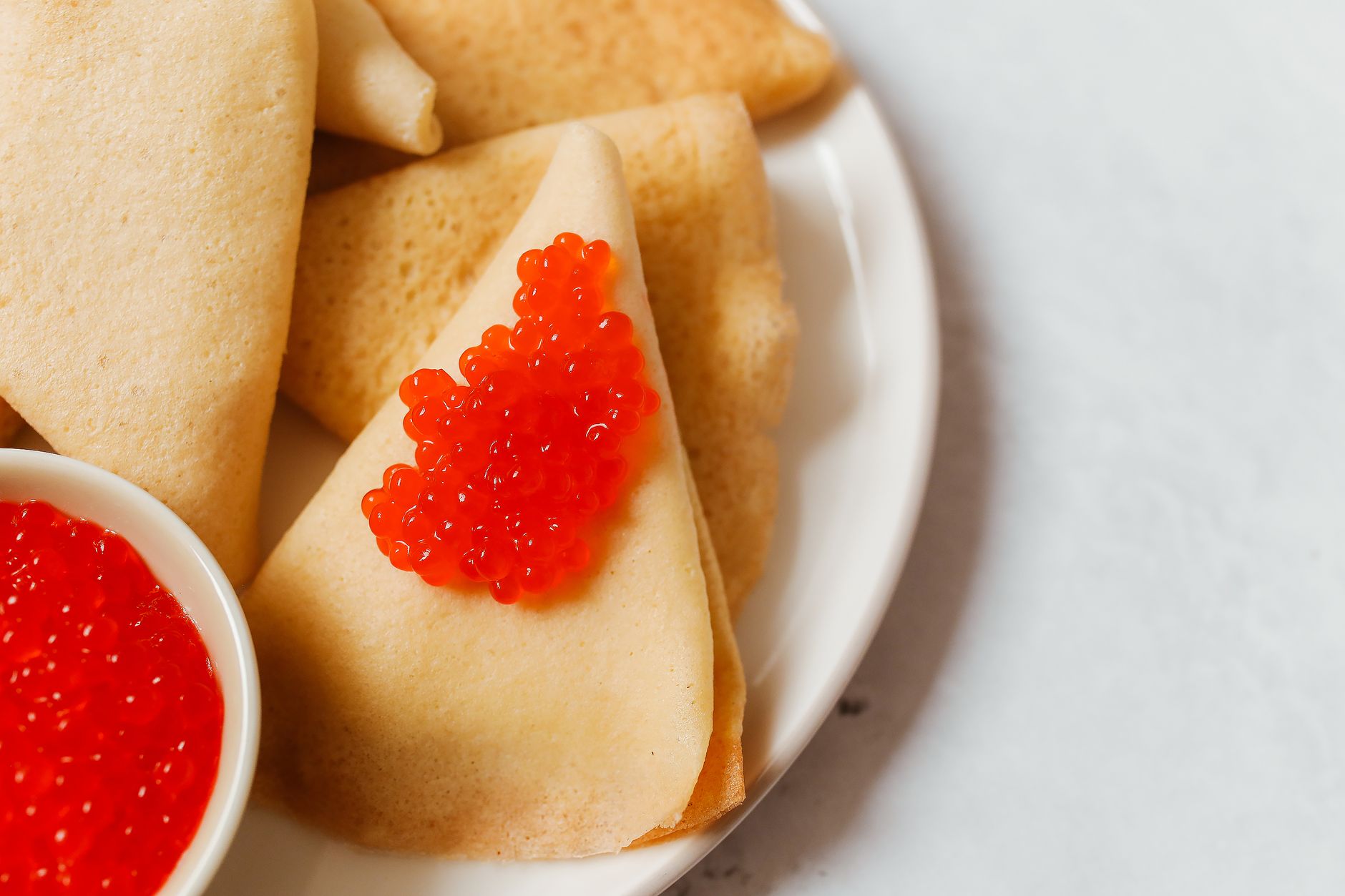
Caviar is often regarded as a luxurious delicacy, known for its unique flavor and various cultural significance. Many people wonder about the nature of caviar and whether it is a fertilized product or not. Understanding this will help clarify what you are actually consuming when you indulge in this gourmet treat.
In this article, we’ll delve into whether caviar is fertilized, how it is produced, its culinary uses, and provide some serving ideas. Get ready to explore the fascinating world of caviar and learn how to enjoy this exquisite food in various ways.
Is Caviar Fertilized?
Caviar is actually the unfertilized eggs of female sturgeon and other fish species. The fish release the eggs during spawning, and these eggs are then harvested, salted, and packed for consumption. Since these eggs are unfertilized, caviar is not a fertilized product but is typically referred to as such due to the misunderstanding surrounding its production.
What Is Caviar?
Caviar primarily comes from sturgeon species, including Beluga, Osetra, and Sevruga. Each type has a unique taste, texture, and color, influenced by factors such as the species of fish and the water from which the caviar is sourced. The most sought-after caviar, Beluga, is prized for its large eggs, while Osetra offers a rich, nutty flavor.
Besides sturgeon, caviar can also come from other fish species, such as salmon, trout, and whitefish. However, these are usually referred to as “roe” rather than caviar, even though they may be processed similarly.
The Caviar Production Process
Understanding how caviar is produced adds to the appreciation of this delicacy. Here’s a step-by-step overview of the caviar production process:
- Harvesting: Caviar production starts with the careful harvesting of unfertilized eggs from mature female sturgeon, typically aged between 8-20 years.
- Cleaning: The harvested eggs are cleaned gently to remove any impurities, adhering tissue, or blood.
- Salting: After cleaning, the eggs are salted. The amount and type of salt used can affect taste and texture. This is a crucial step as it preserves the caviar and enhances its flavor.
- Packing: Once salted, the caviar is carefully packed into jars or tins. It is then pasteurized or refrigerated to maintain freshness and quality.
Each step of the production process requires precise techniques to ensure the final product’s quality and taste. Different producers may have their unique methods, affecting the ultimate flavor and texture of the caviar.
Types of Caviar
Different types of caviar offer various flavors and textures, making them appealing for different culinary applications. Here are some of the most common types:
- Beluga Caviar: Known for its large eggs and buttery flavor, Beluga is one of the most expensive types of caviar.
- Osetra Caviar: With medium-sized eggs and a nutty, briny flavor, Osetra is cherished for its versatility and richness.
- Sevruga Caviar: This type has small eggs that are black to dark gray and offer a robust flavor, making it a popular choice for seasoned caviar lovers.
- Salmon Roe: Known as ikura, salmon roe is larger, orange, and offers a distinct, slightly sweeter taste compared to sturgeon caviar.
- Trout Roe: Often more affordable and brightly colored, trout roe can add a unique visual appeal and flavor to dishes.
Each type of caviar serves different culinary purposes, so knowing the distinctions can enhance your dining experience.
Culinary Uses of Caviar
Traditionally associated with luxury dining, caviar can be enjoyed in a variety of ways. Here are some popular culinary uses:
1. Classic Pairings
Caviar is frequently served on blinis (small pancakes), toast points, or alongside crème fraîche. These simple accompaniments allow the caviar’s flavor to shine while providing contrasting textures.
2. Garnish for Dishes
Adding a spoonful of caviar on top of a deviled egg, avocado toast, or a seafood dish can elevate the presentation and flavor profile. The rich brininess complements many dishes beautifully.
3. Caviar on Pasta
For a luxurious touch, caviar can be served over pasta with a light cream sauce or incorporated into seafood pasta for added salinity and visual appeal.
4. Caviar in Cocktails
Caviar can even enhance cocktails, particularly those featuring vodka. A small spoonful on top of a martini can add a unique flavor that pairs well with the drink’s profile.
5. Caviar in Cheese Plates
Caviar can also be included on gourmet cheese boards alongside soft cheeses such as goat cheese or mild cream cheese, where the creaminess balances the salinity of the caviar.
Serving Ideas for Caviar
Presentation is key when serving caviar. Here are a few serving ideas to make your caviar experience memorable:
- Chilled Serving: Keep caviar cold by placing the serving dish over crushed ice. This preserves its freshness and enhances the flavor.
- Minimalist Approach: Serve caviar simply with minimal accompaniments to let its natural flavors shine.
- Small Portions: Offer small servings, as caviar is rich and flavorful. It allows guests to savor each bite without overwhelming their palate.
- Explore Various Types: Provide a selection of different types of caviar for guests to sample, enhancing the tasting experience.
- Experiment with Pairings: Try pairing caviar with different beverages, such as Champagne, vodka, or even white wine, to discover your preferred combinations.
Tips for Enjoying Caviar
To fully appreciate caviar, consider these helpful tips:
- Use Non-Metal Utensils: Avoid using metal spoons, as they can alter the taste. Opt for mother-of-pearl or plastic spoons instead.
- Storage: Keep caviar stored in a cold environment and consume it within a few days of opening. Unopened jars can be kept in the refrigerator for a longer period.
- Know Your Source: If possible, buy caviar from reputable sources that provide information on sustainability and fish conservation.
- Moderation: Although delicious, caviar is high in salt and should be enjoyed in moderation, especially for those watching their sodium intake.
Common Misconceptions about Caviar
There are many misunderstandings about caviar, which can affect how it is perceived and consumed. Here are a few common misconceptions debunked:
- Caviar is Only Sturgeon Eggs: While sturgeon caviar is the most recognized, the term “caviar” is often informally used for other fish eggs, although technically it should designate only sturgeon roe.
- All Caviar is Expensive: While premium varieties can be costly, there are more affordable options available, especially from non-sturgeon sources like salmon or trout roe.
- Caviar Must Be Eaten in Fancy Settings: Caviar can be enjoyed casually, and there are many innovative ways to incorporate it into everyday meals.
Storage and Shelf Life of Caviar
To maintain the highest quality and freshness of caviar, proper storage is essential. Here are some guidelines:
- Refrigeration: Keep caviar refrigerated at a temperature between 28°F and 32°F (-2°C to 0°C) for optimal freshness.
- Unopened vs. Opened: Unopened caviar can often last several weeks to months when stored correctly. Once opened, it’s best to consume it within three days for the best flavor experience.
- Avoid Freezing: Freezing caviar is generally not recommended, as it can damage the texture and flavor.
Caviar and Sustainability
As consumers grow more conscious of sustainability in food sourcing, caviar production has come under scrutiny. Some sturgeon species are endangered due to overfishing and habitat loss.
Many reputable caviar producers are adopting sustainable practices, including hatchery-raised fish and environmentally friendly farming methods. Always look for certifications and seek out producers who prioritize sustainability if you’re concerned about the ecological impact of your caviar choice.
Conclusion
In summary, caviar is not fertilized; it consists of unfertilized eggs from female fish, predominantly sturgeon. Understanding its production and types will deepen your appreciation for this gourmet food. Whether served in traditional ways or incorporated into modern culinary dishes, caviar continues to be a celebrated ingredient in kitchens around the world.
Explore related recipes, cooking tips, or food guides as appropriate to the topic, such as a delicious lox recipe or learn more about herring. Enjoy your culinary adventures with caviar!