
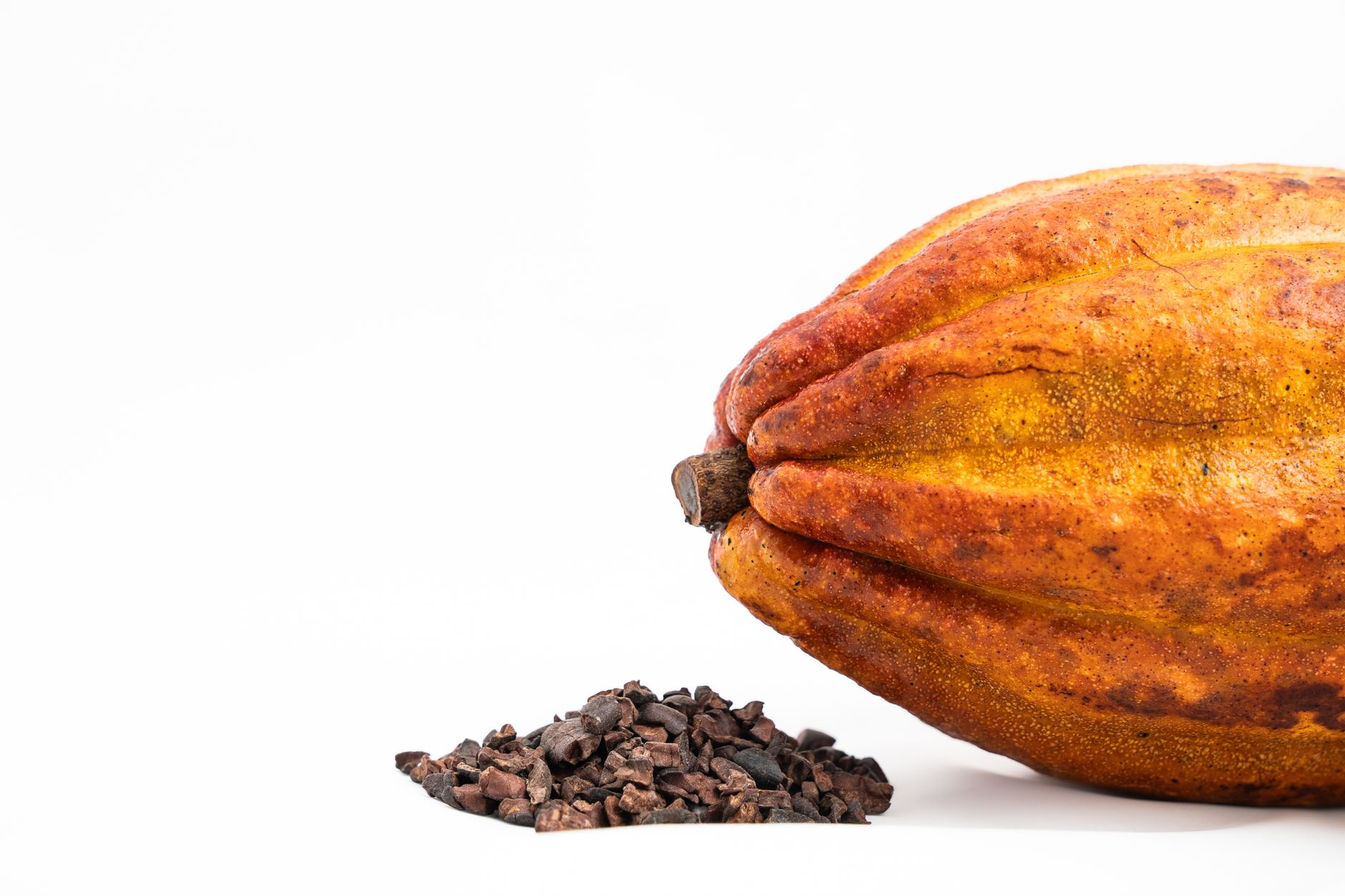
Chocolate is one of the most beloved treats around the globe. Its rich flavor and creamy texture make it a sought-after ingredient in desserts, drinks, and snacks. However, few people know the fascinating history behind chocolate’s origins and its journey from ancient civilizations to modern-day confections.
In this article, we will explore where chocolate originated, its historical significance, and how it has evolved over time. We will also touch upon the cultural impact of chocolate in various regions, its uses, and even some interesting facts to deepen your understanding of this delectable treat.
Where Did Chocolate Originate?
Chocolate originated in Mesoamerica, a region that includes modern-day Mexico and parts of Central America. The first known use of cacao, from which chocolate is made, dates back to the Olmec civilization around 1500 BCE. The Olmecs began processing cacao beans and making a chocolate drink. This practice would later spread to the Maya and Aztec civilizations, who revered cacao as a divine gift.
The Historical Journey of Chocolate
The Olmec Civilization
As the earliest known users of cacao, the Olmecs primarily consumed a beverage made from ground cacao beans mixed with water, spices, and often chili pepper. It was likely served cold and had a bitter taste compared to the sweet chocolate drinks we enjoy today.
The Maya Civilization
Chocolate took on significant cultural and religious importance for the Maya, who lived between 250 and 900 CE. They prepared a drink called “xocolatl,” which contained cacao, water, and spices. The Maya believed in the divine origins of cacao and often used it in ceremonial rituals. It was customary for them to enjoy this drink during special events, including marriage ceremonies and religious gatherings.
The Aztec Civilization
The Aztecs, who flourished from the 14th to the 16th centuries, viewed cacao as a precious commodity. They used cacao beans as currency and associated the drink with the god Quetzalcoatl. The Aztecs prepared a version of xocolatl that often included vanilla, honey, and a mixture of various spices. For them, chocolate was more than just a drink; it symbolized power and wealth.
The Introduction of Chocolate to Europe
The 16th century marked a significant turning point for chocolate when Spanish conquistadors encountered the Aztec culture. Hernán Cortés and his men returned to Spain with cacao beans and the recipe for the drink, which quickly became popular among the Spanish aristocracy.
Initially, chocolate was enjoyed in its traditional bitter form; however, over time, sugar was added to sweeten the beverage. By the 17th century, chocolate houses emerged throughout Europe, catering to the elite. As more countries in Europe began to adopt chocolate, different variations and preparations emerged, contributing to the modern chocolate we know today.
The Evolution of Chocolate Manufacturing
As its popularity grew, the methods for processing and manufacturing chocolate became more sophisticated. In the 19th century, innovations in technology led to the development of solid chocolate. In 1828, Coenraad Johannes van Houten invented the cocoa press, which separated cocoa solids from cocoa butter, allowing for the creation of cocoa powder. This innovation paved the way for the development of edible chocolate bars and confections.
Furthermore, milk chocolate was first created in the mid-19th century by Swiss chocolatier Daniel Peter, combining chocolate and milk powder to create a sweeter and creamier product. This opened up a new market for chocolate, making it accessible to the masses.
Chocolate Around the World
Today, chocolate is produced, consumed, and celebrated in various forms around the world, from dark chocolate bars to elaborate desserts. Each region has its own unique take on chocolate, reflecting local ingredients and cultural preferences.
Chocolate in North America
In North America, chocolate is commonly used in desserts such as brownies, cookies, and cakes. Its versatility allows for endless variations and combinations. Additionally, the U.S. is home to several renowned chocolate brands that have helped popularize different styles and flavors.
Chocolate in South America
In South America, particularly in countries like Ecuador and Peru, cacao is often appreciated for its high-quality beans. Artisanal chocolates are produced using traditional methods that celebrate the region’s unique flavor profiles. Festivals celebrating cacao harvests are also common, highlighting the importance of chocolate in local culture.
Chocolate in Europe
European countries are known for their rich chocolate traditions. Switzerland is famous for its smooth and creamy chocolate, while Belgium is recognized for its high-quality pralines. In France, chocolate plays a central role in pastries and desserts, often featured in elegant dishes showcased at patisseries.
Chocolate in Asia
Though less traditionally linked to chocolate, Asian countries are starting to embrace it in innovative ways. For example, Japan has created unique chocolate flavors, such as matcha and yuzu, blending local tastes with chocolate’s rich heritage. Additionally, chocolate drinks and confections are increasingly popular in urban areas across Asia.
Understanding Cacao and Chocolate Production
The process of turning cacao into chocolate involves several steps, each crucial in determining the final flavor and quality of the chocolate. Here’s a brief overview:
- Harvesting: Cacao pods are harvested by hand, typically twice a year. The ripe pods are cut from the trees, and the beans inside are extracted.
- Fermentation: The beans are placed in shallow containers, covered with banana leaves, and fermented for several days. Fermentation develops the beans’ flavors and reduces bitterness.
- Drying: After fermentation, the beans are spread out in the sun to dry, reducing moisture content for storage and shipping.
- Roasting: Dried beans are roasted to enhance flavor. Roasting times and temperatures vary based on desired chocolate characteristics.
- Cracking and winnowing: The roasted beans are cracked open, and the outer shells are removed, leaving the cacao nibs.
- Grinding: The nibs are ground, generating cacao mass, which can be further processed into cocoa powder and cocoa butter.
- Conching: The chocolate is then refined through conching, a process where it is continuously mixed and aerated to achieve a smooth texture.
- Tempering: Chocolate is tempered by cooling and reheating it to stabilize the cocoa butter crystals, ensuring a glossy finish and a firm snap when broken.
Why Chocolate Is Beloved
Chocolate offers a unique combination of flavors, aromas, and textures that appeal to many. Its inherent sweetness makes it an ideal ingredient for desserts, while its versatility allows it to be paired with various flavors, from fruit to spices. Additionally, the process of enjoying chocolate can evoke feelings of comfort and indulgence, contributing to its widespread popularity.
Cultural Significance and Chocolate Traditions
Chocolate holds a special place in many cultures worldwide. In some countries, it is an integral part of celebrations, while in others, it symbolizes love or friendship.
Chocolate Festivals
Numerous festivals celebrate chocolate each year, attracting enthusiasts and producers alike. Events can include tasting sessions, workshops, and presentations on chocolate-making techniques. These festivals highlight the rich heritage and artistry of chocolate.
Chocolate and Gifting
Chocolate is often gifted during special occasions, from Valentine’s Day to Christmas. Heart-shaped boxes of chocolates or artisanal chocolate bars are common presents to convey affection and appreciation. The symbolism and emotion attached to gifting chocolate enhance its allure.
Innovations in Chocolate
The chocolate industry continually evolves, with innovations such as the rise of vegan chocolate, which replaces dairy with plant-based alternatives. Additionally, single-origin chocolate sourcing has gained traction, emphasizing the relationship between chocolate flavor and its geographic origin.
Common Mistakes and Troubleshooting in Chocolate Handling
Working with chocolate can be challenging. Here are some common mistakes and troubleshooting tips:
- Not tempering chocolate properly: Failing to temper chocolate can result in a dull finish or a soft texture. Ensure you follow proper tempering technique to achieve a shiny, stable chocolate.
- Overheating chocolate: Chocolate can burn easily if overheated. Always melt chocolate over low heat or using a double boiler, and monitor it closely.
- Using wet utensils: Water can seize chocolate, causing it to clump. Ensure all equipment is dry before handling chocolate.
- Undermixing: When preparing chocolate confections, be thorough in your mixing to guarantee an even distribution of flavors and ingredients.
Conclusion
Chocolate’s journey from the ancient cacao groves of Mesoamerica to its place as a global favorite is a story of cultural significance, innovation, and evolution. As we savor this cherished treat today, it’s essential to recognize the deep historical roots and the rich flavors that cacao brings to our lives.
Next time you indulge in chocolate, think about its remarkable history and diverse expressions around the world. Whether it’s a rich cup of Mexican hot chocolate or an exquisite piece of artisan chocolate, each bite carries with it centuries of heritage.
If you’re interested in more culinary delights, consider trying our Mexican hot chocolate recipe or explore the delightful Dubai chocolate recipe. Discover the versatility and cultural significance of chocolate in various recipes and preparations.