
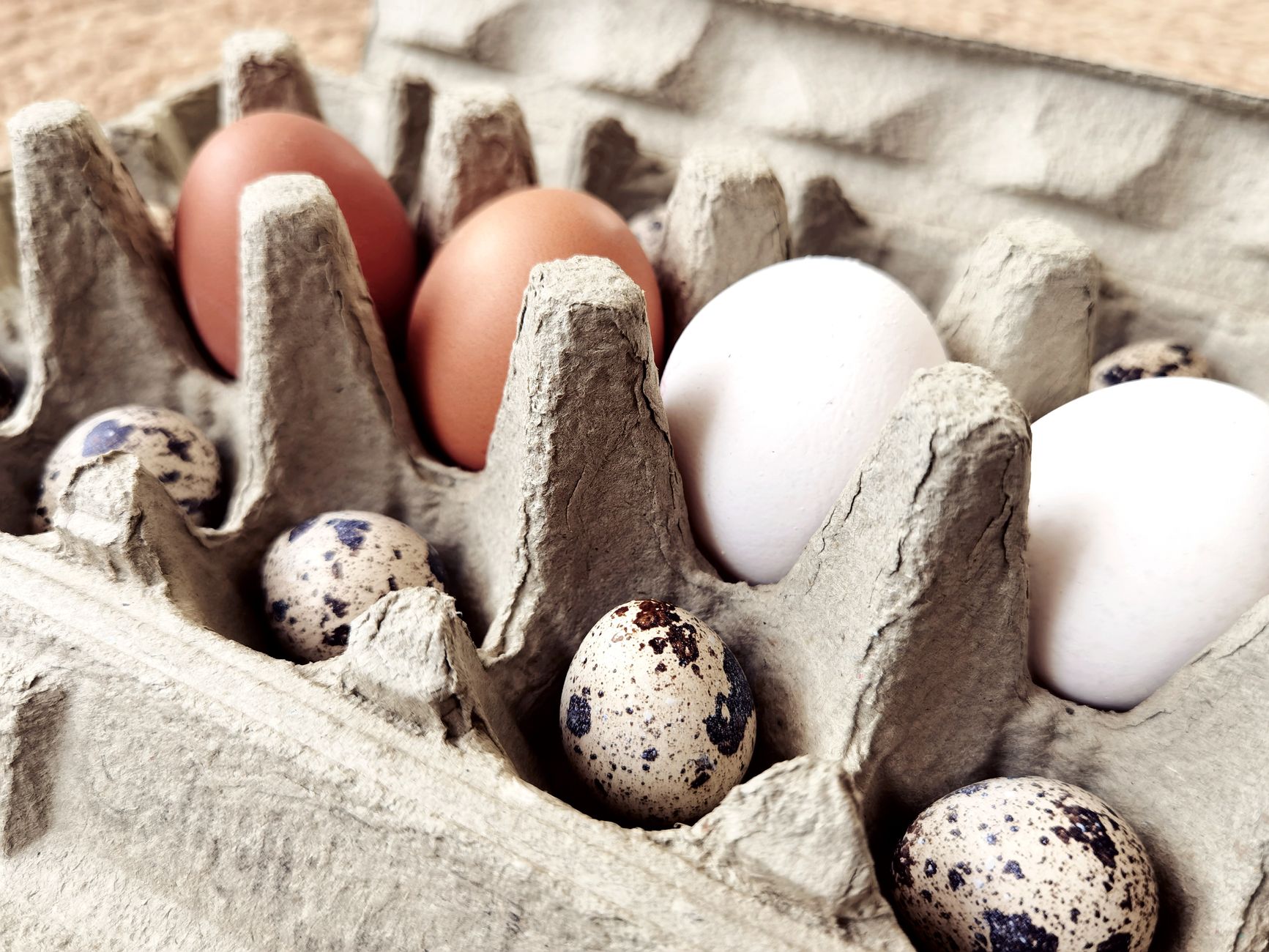
Farm fresh eggs, known for their rich flavor and vibrant yolks, are a delightful addition to many recipes and meals. However, proper storage is essential to ensure their freshness and safety. This article will explore how long farm fresh eggs last on the counter, the best practices for storage, and tips for maintaining their quality.
By understanding egg freshness and safety measures, you can enjoy your farm-fresh eggs at their best. We will dive into various storage techniques, signs of spoilage, and how to extend the life of your eggs for as long as possible.
How Long Do Farm Fresh Eggs Last on the Counter?
Farm fresh eggs can last on the counter for up to two weeks if stored properly. Unlike commercially produced eggs, which are washed and refrigerated, farm fresh eggs maintain a protective layer called the cuticle that helps keep bacteria out and moisture in. However, proper handling and storage techniques are crucial to extend their freshness.
The Importance of Proper Storage
Many people wonder if it’s safe to store farm fresh eggs at room temperature. While it’s possible, it’s essential to follow certain guidelines to ensure the eggs remain fresh and safe to eat. Proper storage not only preserves the eggs’ flavor and texture but also minimizes the risk of foodborne illness.
Understanding Egg Freshness
Farm fresh eggs can be harvested directly from hens and are usually fresher than supermarket eggs. Freshness can be influenced by several factors:
- Age of the egg: The fresher the egg, the better it will taste.
- Storage conditions: Temperature and humidity are critical to maintaining egg quality.
- Handling: Proper handling during collection, cleaning, and storage is vital.
Storage Tips for Farm Fresh Eggs
If you plan to store farm fresh eggs on the counter, consider the following tips:
- Keep them clean: Avoid washing eggs immediately after collecting them; this can remove the protective bloom. If they are very dirty, gently wipe them with a dry cloth.
- Store in a cool, dry place: Find a shaded area in your kitchen to keep the eggs. A temperature between 50°F to 70°F (10°C to 21°C) is ideal.
- Avoid direct sunlight: Sunlight can raise the temperature and damage the eggs.
- Use an egg carton: Keeping eggs in their original carton helps protect them from absorbing odors and flavors from other foods.
Signs That Farm Fresh Eggs Are No Longer Good
Knowing how to assess the freshness of your eggs is critical. Here are some signs that indicate spoilage:
- Off odor: If an egg has a sulfur smell or any unusual odor when cracked open, it is best to discard it.
- Unusual appearance: A cloudy or discolored egg white or abnormal yolk color can indicate spoilage.
- Float test: Fill a bowl with water and gently place the egg inside. Fresh eggs sink to the bottom, while older eggs float due to increased air cell size.
How to Extend the Shelf Life of Eggs on the Counter
While farm fresh eggs can last up to two weeks on the counter, there are methods to extend their shelf life:
- Refrigeration: Consider refrigerating eggs if you live in a warmer climate or if you won’t use them within two weeks.
- Packing in oil: Some people choose to coat clean eggs in vegetable mineral oil to maintain freshness.
- Freezing: For even longer preservation, you can crack and beat eggs, then freeze them in airtight containers.
Comparing Fresh and Store-Bought Eggs
When considering the longevity of farm fresh eggs versus store-bought eggs, several factors come into play:
- Washing: Store-bought eggs are washed, which removes the natural protective coating, making them more susceptible to bacteria.
- Storage requirements: Store-bought eggs are typically recommended to be refrigerated.
- Expiration dates: Farm fresh eggs do not come with expiration dates, while commercial eggs are labeled with sell-by and expiration dates.
Common Myths About Egg Storage
Many misconceptions surround egg storage that can lead to improper handling. Here are a few myths debunked:
- Myth 1: All eggs must be refrigerated. While refrigeration is recommended for commercial eggs, fresh farm eggs can be stored at room temperature for a limited time.
- Myth 2: Washing eggs is necessary before storing them. Washing can strip the protective bloom and introduce bacteria, so only wash when ready to use.
Alternative Storage Methods
In addition to counter and refrigeration methods, there are several alternative storage methods that can help preserve farm fresh eggs:
Egg Drying
Dehydrating egg yolks and whites can extend their shelf life significantly:
- Crack eggs and separate the yolks from the whites.
- Spread the yolks and whites in a single layer on a dehydrator tray.
- Dehydrate at 140°F (60°C) until completely dry, typically 6-8 hours.
- Store in airtight containers in a cool, dry place.
Fermentation
An alternative storage method is fermenting eggs, a traditional technique that enhances their flavor:
- Place clean eggs in a jar with a brine solution (water and salt).
- Add herbs and spices to flavor the brine.
- Seal the jar and let it sit for several weeks at room temperature before consuming.
Using Farm Fresh Eggs in Recipes
Farm fresh eggs can elevate a variety of dishes, bringing out richer flavors and textures. Here are some suggestions for using these eggs:
- Scrambled eggs: Use fresh eggs for fluffier, creamier scrambled eggs. Incorporate cream or milk for extra richness.
- Omelettes: Add vegetables and cheese to create versatile and flavorful omelettes.
- Baking: Fresh farm eggs can make baked goods, like cakes and cookies, rise beautifully and add moisture.
Egg Safety Considerations
When handling and preparing farm fresh eggs, proper food safety measures must be taken:
- Wash hands: Always wash your hands before and after handling eggs to prevent cross-contamination.
- Cook thoroughly: Ensure eggs are cooked until both the whites and yolks are firm to minimize foodborne risks.
- Avoid raw egg dishes: Recipes involving raw or undercooked eggs, like certain dressings or desserts, should be avoided unless pasteurized eggs are used.
Making the Most of Your Eggs
To ensure you’re maximizing the use of your farm fresh eggs, consider meal planning. Here are some practical tips:
- Plan meals: Incorporate eggs into breakfast, lunch, and dinner dishes so they are used before spoilage.
- Batch cooking: Use eggs in large quantities for meal-prepping dishes like frittatas or egg muffins.
- Seasonal ingredients: Pair farm fresh eggs with seasonal vegetables for an optimal flavor experience.
Conclusion
Farm fresh eggs can be a fantastic addition to your kitchen, providing rich flavors and versatility in many dishes. By understanding how to store them effectively and recognize signs of spoilage, you can ensure they stay fresh and safe for consumption. Remember to explore creative storage options if you have a surplus and to incorporate these eggs into your meals for delicious results.
For more information on egg safety, check out our articles on when eggs go bad or how long eggs last after the sell-by date. Feel free to explore additional recipes or cooking tips that suit your culinary adventures!