
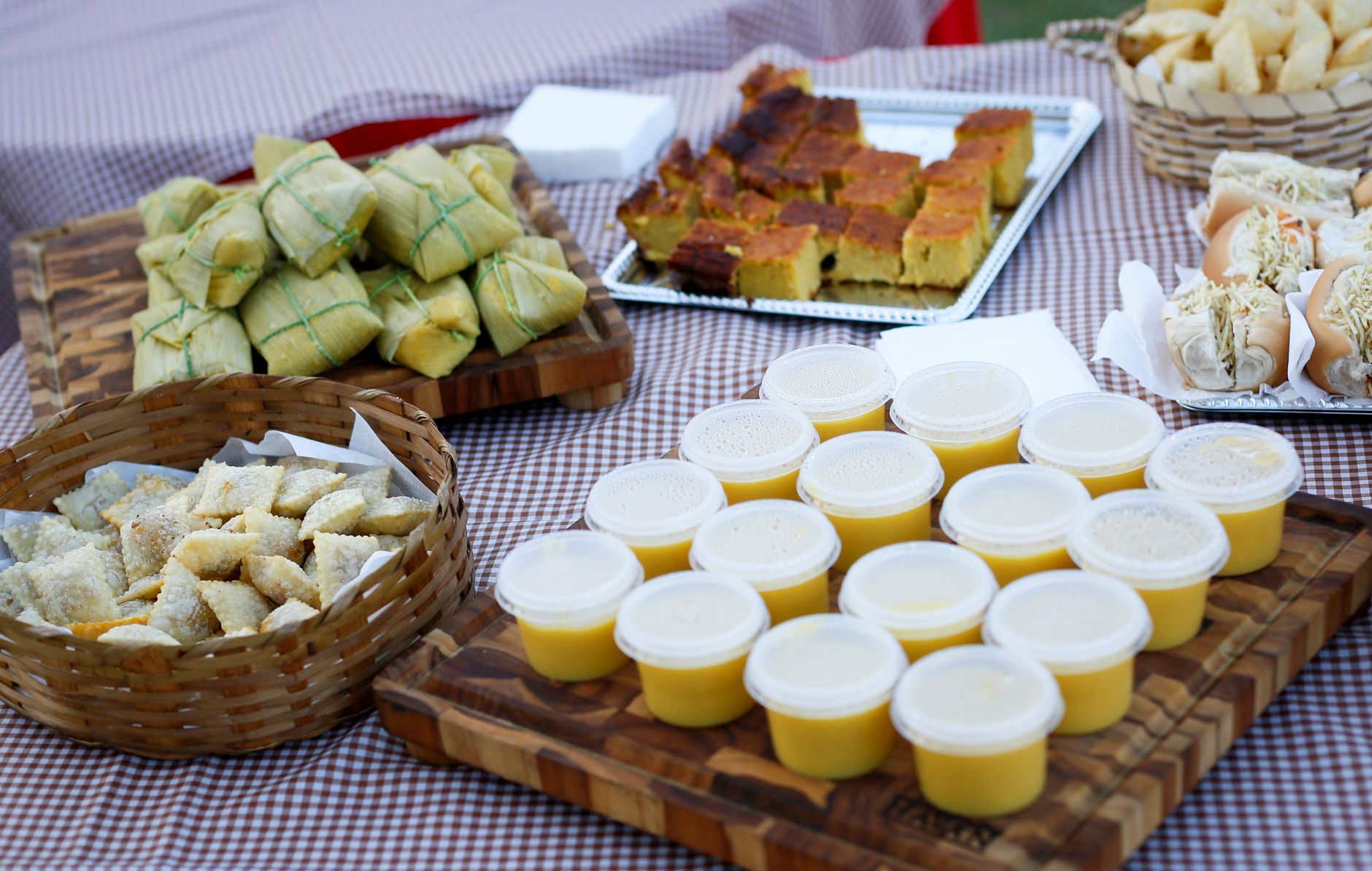
Tamales are a beloved traditional dish in Mexican cuisine, characterized by their warm, comforting flavors and unique preparation. These delightful parcels of masa, filled with various ingredients, encapsulate a rich history and regional variations, making them a favorite at family gatherings and celebrations. Learning about their origins and significance can enrich your culinary experience when preparing or enjoying tamales.
In this article, we will explore where tamales come from, how they evolved over centuries, the different types that exist, and the traditions surrounding them. Whether you’re a curious novice or an experienced cook, understanding the story of tamales will deepen your appreciation of this iconic dish.
Where Are Tamales From?
Tamales originated in Mesoamerica, with roots tracing back over 5000 years, particularly among Indigenous cultures like the Aztecs and Mayans. Traditionally, they were made by wrapping masa (a dough made from nixtamalized corn) around various fillings in corn husks or banana leaves before being steamed. This method of cooking made them portable and easy to transport during hunting or military campaigns.
The Historical Journey of Tamales
The history of tamales is intertwined with the agricultural developments of corn in Mesoamerica. Corn, a staple food for Indigenous peoples, was often transformed into masa, which is key in making tamales. Each family or region adapted recipes and techniques to suit local tastes and availability of ingredients.
As the Spanish colonizers arrived in the Americas in the 16th century, they encountered tamales and embraced them, adding their own influence to the dish. With time, tamales evolved, resulting in diverse variations across Mexico and the broader Latin American region.
Ancient Roots
Early known records suggest that tamales were served to Aztec warriors for sustenance during raids and battles due to their portability. They often contained fillings made from meat, beans, or fruits, seasoned with various spices. The preparation of tamales was labor-intensive, often involving the entire family in the assembly of ingredients and wrapping.
Colonial Influence
The Spanish colonization introduced new ingredients and cooking methods, enriching the tamale’s variety. Ingredients like pork, chicken, and beef were incorporated, along with spices that enhanced flavors. The spread of tamales during this period also contributed to their popularity beyond Mesoamerica, reaching different parts of Latin America and the Southwestern United States.
Regional Variations of Tamales
With its spread, tamales have undergone numerous transformations, leading to unique regional variations that reflect local ingredients, customs, and tastes. Here are some popular types of tamales found across Mexico and other Latin American countries.
Mexican Tamales
In Mexico, tamales are often categorized by their fillings and preparation methods. Here are some key varieties:
- Tamales Rojos: Made with red chili sauce, usually filled with pork or chicken.
- Tamales Verdes: Feature green salsa or tomatillos, commonly filled with chicken or cheese.
- Tamales de Elote: Sweet corn tamales in which fresh corn is blended into the masa, often enjoyed as a dessert.
- Tamales Dulces: Dessert-like tamales made with sweetened masa and fillings such as fruits or chocolate.
- Tamales Oaxaqueños: From Oaxaca, these tamales are made using banana leaves and have a distinct flavor from the region’s moles.
Central American Tamales
Central America has its own take on tamales, with countries having their specific styles:
- Tamales de Pollo: Common in Guatemala, made with corn dough and chicken, often served with a tomato-based sauce.
- Tamales de Puerco: In El Salvador, these are filled with pork and are sometimes served with a salsa or curtido (pickled cabbage).
U.S. Variations
In the United States, tamales have gained immense popularity, especially in areas with a strong Mexican heritage. They may incorporate local ingredients and fusion techniques, leading to unique flavors and presentations. For instance:
- Tamale Pie: A casserole-style dish incorporating tamale ingredients layered in a baking dish.
- Vegan or Vegetarian Tamales: Filled with various vegetables, beans, and plant-based ingredients to cater to dietary preferences.
Preparing Tamales: Ingredients and Techniques
Making tamales can be a delightful and rewarding experience. Here’s a comprehensive guide to their essential ingredients and the basic technique for preparation.
Essential Ingredients
- Masa: The dough made from nixtamalized corn that forms the base of tamales. You can use masa harina (corn flour) available in stores or make it from freshly ground corn if accessible.
- Fillings: Various meats (pork, chicken, beef), vegetables, cheese, or sweet fillings (like chocolate or fruits).
- Broth: Chicken or vegetable broth is often used to moisten the masa, enhancing flavor.
- Spices: Common spices include cumin, chili powder, garlic powder, and salt for flavoring.
- Corn husks or banana leaves: Used to wrap the tamales before steaming, imparting flavor and aroma.
Basic Preparation Steps
- Soak Corn Husks: Place dried corn husks in warm water for about 30 minutes until soft.
- Prepare the Masa: In a bowl, combine masa harina, baking powder, and salt. Gradually mix in broth until you achieve a spreadable consistency.
- Add Fat: Incorporate softened lard or vegetable shortening until creamy and fluffy to enhance texture.
- Assemble the Tamales: On each corn husk, spread a portion of masa, leaving space at the edges. Add your desired filling on top, then fold the husk to encase the masa and filling.
- Steam the Tamales: Arrange tamales upright in a steaming basket. Steam for about 1-1.5 hours or until the masa pulls away from the husk easily.
Traditions and Celebrations Involving Tamales
Tamales are far more than just a dish; they are a centerpiece for various cultural celebrations and family gatherings.
Las Posadas
In Mexico, tamales are synonymous with celebrations such as Las Posadas, a nine-day observance leading up to Christmas. Families often gather to prepare and enjoy tamales as a way of commemorating the journey of Mary and Joseph.
Day of the Dead
During Día de los Muertos (Day of the Dead), families honor deceased loved ones by sharing meals, including tamales, as part of the offerings placed on altars.
Family Gatherings
Making tamales is often a communal affair, with families gathering to prepare batches together. This tradition fosters connection, as stories and memories are shared while making tamales side by side.
Common Mistakes in Tamale Preparation
While making tamales can be enjoyable, certain common mistakes may hinder the final product. Here are a few to avoid:
Incorrect Masa Consistency
Your masa should be spreadable but not overly wet or dry. Ideally, it should be fluffy, which can be tested by dropping a small ball in cold water; if it floats, it’s ready.
Poor Filling Distribution
Ensure even distribution of filling to maintain a balanced flavor. Overfilling can also make it difficult to fold the husk tightly.
Inadequate Steaming
Under-steaming tamales can result in a doughy consistency. Ensure they are cooked fully by checking that the masa pulls away cleanly from the husk.
Storing and Reheating Tamales
Proper storage and reheating are crucial for maintaining the fresh taste and texture of tamales. Here are some tips:
Storage
- Allow cooked tamales to cool completely before storing.
- Place them in an airtight container or wrap them tightly in plastic wrap, then aluminum foil, to prevent freezer burn.
Reheating
To reheat tamales:
- Steam for about 15-20 minutes until heated through.
- Alternatively, wrap them in a damp paper towel and microwave for 1-2 minutes.
Conclusion
Tamales are a distinctive culinary gem rooted in rich history and cultural significance. Their impressive variety across regions showcases the diverse culinary practices of Latin America. Whether you make them for personal enjoyment or as part of a cultural celebration, tamales stand as a testament to traditions passed down through generations.
As you embark on your culinary journey with tamales, explore other Mexican dishes such as flautas with this flautas recipe or enjoy a heartwarming bowl of pozole verde, which you can find in this pozole verde recipe. Each dish contributes to the vibrant tapestry of flavors and histories that make up Mexican cuisine.