
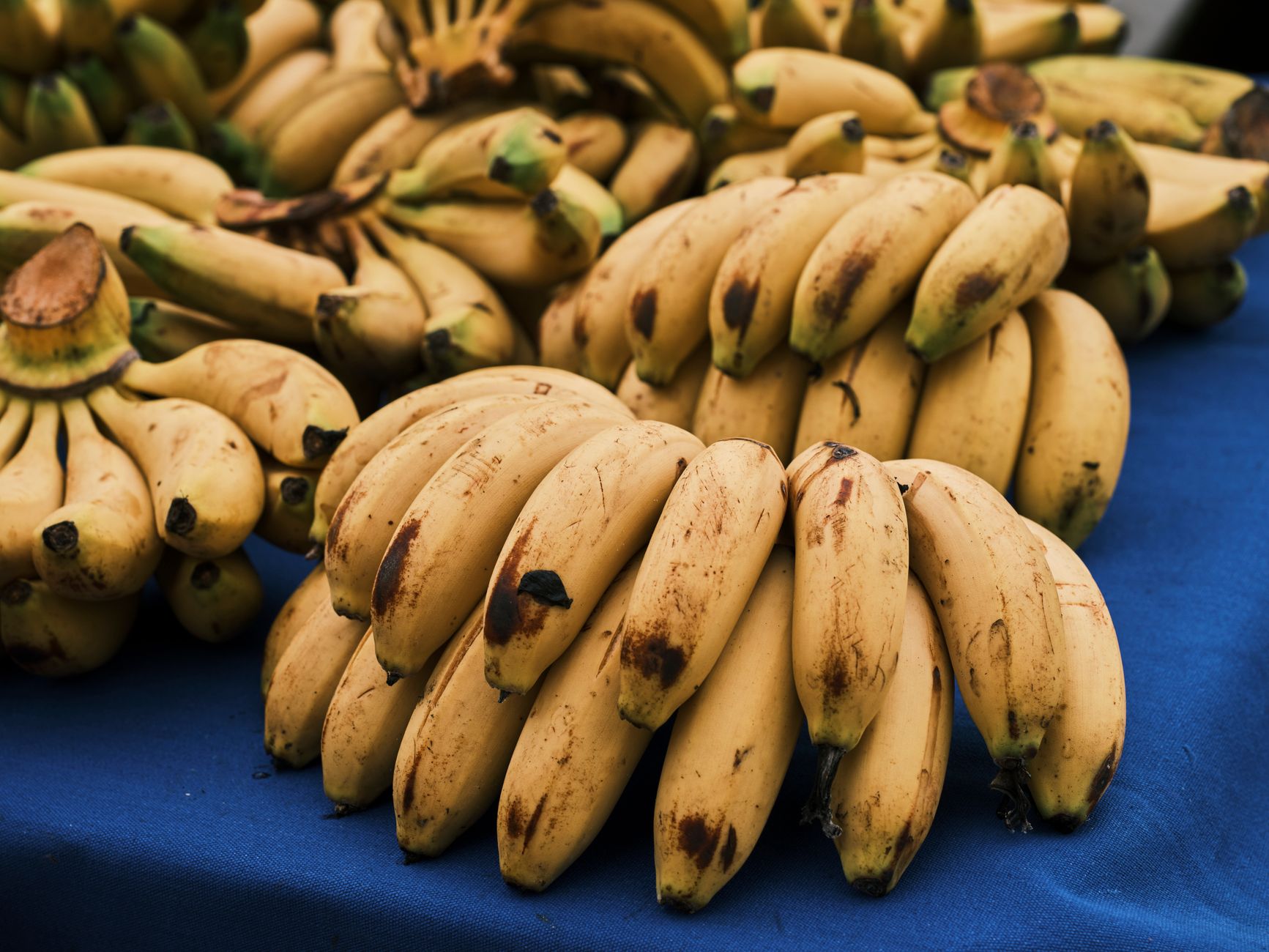
Bananas are one of the most popular fruits in the world, beloved for their sweet flavor, nutritional benefits, and convenience as a snack. However, many people might not be aware of the rich history and origins of this beloved fruit. Understanding where bananas are originally from reveals not just their culinary journey but also gives insight into agricultural practices, plant biology, and global trade.
This article will delve into the history of bananas, exploring their origin, cultivation, and evolution over centuries. We will highlight important facts about their varieties, uses in different cuisines, and the fascinating journey bananas have taken from their native regions to kitchens around the world.
Where Are Bananas Originally From?
Bananas are originally from Southeast Asia, particularly in the regions encompassing Malaysia, Indonesia, the Philippines, and New Guinea. The domestication of bananas is believed to have started about 7,000 years ago. While they are cultivated in many countries today, their roots trace back to this specific geographical area.
The History of Bananas
Bananas have an extensive history that begins long before they became the staple fruit they are known as today. The earliest banana cultivation likely happened in the moist, tropical environments of Southeast Asia. Archaeological evidence suggests that the people in this region began gathering and cultivating wild banana species thousands of years ago.
The Wild Ancestors of Bananas
The bananas we commonly eat today are quite different from their wild ancestors. The wild bananas possess seeds that are quite large and inedible, making them less desirable for consumption. Two primary species thought to be the ancestors of modern bananas are Musa acuminata and Musa balbisiana. These species bear the genetic characteristics that have been selectively bred over generations to produce the sweet, seedless varieties commonly available today.
Bananas in Ancient Cultures
Bananas played a significant role in various ancient cultures. Historical texts from India mention bananas as far back as 600 B.C. In fact, bananas were cultivated in ancient India and were often regarded as sacred in some cultures. They also appeared in ancient Chinese literature around the same time and eventually made their way into the Middle East and Africa through trade routes.
The Spread of Bananas to Africa and Beyond
Bananas reached Africa around 200 AD, likely through early traders navigating the Indian Ocean. The fruit became an essential staple for various communities and was integrated into local diets through a myriad of traditional dishes. African farmers adopted banana cultivation for its nutritional value, and over time, culinary techniques evolved to utilize bananas in numerous ways, from being eaten raw to being cooked, dried, or fermented.
By the Middle Ages, bananas had crossed into the Mediterranean region and were being cultivated in Southern Europe. The fruit continued its journey across the globe, reaching the Americas during the Columbian Exchange in the 15th century, introduced by explorers and traders.
Types of Bananas
Today, there are over 1,000 varieties of bananas, although most of what is exported and available in grocery stores are a select few. The two main cultivated species of banana are the Cavendish and the plantain.
Cavendish Bananas
The Cavendish banana is the most recognized type globally, accounting for nearly 50% of the world’s banana production. They are known for their bright yellow exterior, sweet flavor, and soft texture when ripe. Their widespread commercial cultivation began in the mid-20th century due to their resistance to the Panama disease that had previously ravaged banana plantations.
Plantains
Plantains, on the other hand, are starchy bananas often used in cooking rather than eaten raw. They tend to be larger, have a thicker skin, and are higher in starch content. Plantains are often prepared in various ways such as frying, boiling, or baking, and are a significant component in various Caribbean, African, and Latin American cuisines.
Culinary Uses of Bananas Around the World
Bananas are not only a delicious snack but also an ingredient utilized in a wide variety of culinary creations across many cultures. Here are a few noteworthy preparations:
Fruit Salads and Smoothies
In many regions, bananas are a staple ingredient in fruit salads, adding natural sweetness and creaminess. They are also common in smoothies, where their smooth texture blends well, enhancing flavor while providing nutritional benefits.
Baked Goods
Bananas are frequently used in baking. Banana bread is a beloved classic, particularly in Western countries. The fruit adds moisture and sweetness. Other baked goods include banana muffins, pancakes, and desserts like banana cream pie.
Savory Dishes
In countries where plantains thrive, the fruit is prepared as a savory side dish. Fried plantains serve as a popular accompaniment to rice and beans in Latin American dishes, while in African cuisines, they may be stewed or mashed.
Nutritional Benefits of Bananas
Bananas are not just delicious; they also offer numerous health benefits. Rich in various vitamins and minerals, particularly potassium, they help in muscle function and heart health. Bananas are also a great source of dietary fiber, making them an excellent snack for digestive health.
The Fiber Factor
The fiber content in bananas aids in digestion and helps in maintaining a healthy weight. Additionally, the balance of natural sugars provides a quick burst of energy, making them an excellent pre- or post-workout snack.
Potential Health Benefits
Research suggests that the consumption of bananas might help reduce the risk of hypertension due to the fruit’s high potassium content. Furthermore, antioxidants found in bananas may offer protective effects against chronic diseases.
The Global Banana Trade
Bananas are one of the most traded fruits globally, with countries in Latin America, such as Ecuador, Costa Rica, and Colombia, serving as the leading exporters. The banana trade carries enormous economic significance, providing livelihoods for millions of farmers and laborers.
Challenges in Banana Production
Despite their popularity, banana production is fraught with challenges. From issues related to monocropping, which can lead to decreased biodiversity, to vulnerability to pests and diseases, the banana industry faces continual threats. Pests like the banana weevil and fungal diseases like Panama disease have devastated banana crops worldwide.
Sustainable Banana Farming Practices
Efforts are being made to promote sustainable farming practices in banana production. These include diversifying crops, reducing pesticide use, and focusing on organic farming methods to create a resilient agricultural system that can support biodiversity while meeting global food demands.
What to Look for When Choosing Bananas
When selecting bananas at the grocery store, there are a few tips to consider:
- Color: Look for bananas that are bright yellow with few brown spots. However, a few spots indicate ripeness, while a green color suggests the bananas need more time to ripen.
- Texture: Choose bananas that are firm to the touch; overly soft bananas may be overripe.
- Shape: Opt for bananas that are plump and round, as these tend to be sweeter and have a better texture.
Storing Bananas
Proper storage of bananas is essential to prolonging their freshness. Here are some practical tips for storing bananas:
- Room Temperature: Keep bananas at room temperature to allow them to ripen naturally. Storing them in a hanging rack can help prevent bruising.
- Refrigeration: Once they reach the desired ripeness, bananas can be placed in the refrigerator. The skin may darken, but the fruit inside will stay fresh for longer.
- Freezing: For long-term storage, bananas can be frozen. Peel them first, and place them in an airtight container to avoid freezer burn. Frozen bananas are great for smoothies or baking.
Common Mistakes When Storing Bananas
Here are common mistakes to avoid to ensure your bananas stay fresh:
- Storing Unripe Bananas in the Refrigerator: Cool temperatures can hinder the ripening process.
- Mixing Different Fruit Together: Certain fruits emit ethylene gas, which can cause bananas to ripen too quickly and spoil.
- Exposing Bananas to Direct Sunlight: Keep bananas out of direct sunlight, which can speed up the spoiling process.
Banana Innovations and Future Trends
As global demands for bananas continue to grow, innovations in banana cultivation and production are essential. Genetic modification and hybrid breeding are being explored to create bananas that are more resistant to diseases and pests, ensuring a sustainable supply for the future.
Moreover, there is an emerging trend of promoting lesser-known varieties of bananas, which could enhance agricultural biodiversity and provide farmers with alternative crops for better resilience against market fluctuations.
A Final Thought on Bananas
From their humble beginnings in Southeast Asia to their esteemed place in culinary traditions worldwide, bananas have become a symbol of nourishment and versatility. Understanding where bananas are originally from not only enriches our appreciation of this fruit but also highlights the cultural connections we share through food.
As demand grows for sustainable and quality produce, bananas will undoubtedly remain a significant player in the global food system, providing our diets with sweetness, nutrition, and culinary diversity.
For those interested in the nutritional benefits of bananas, explore our fiber content guide. To learn more about the origins of this beloved fruit, check out where bananas come from.