
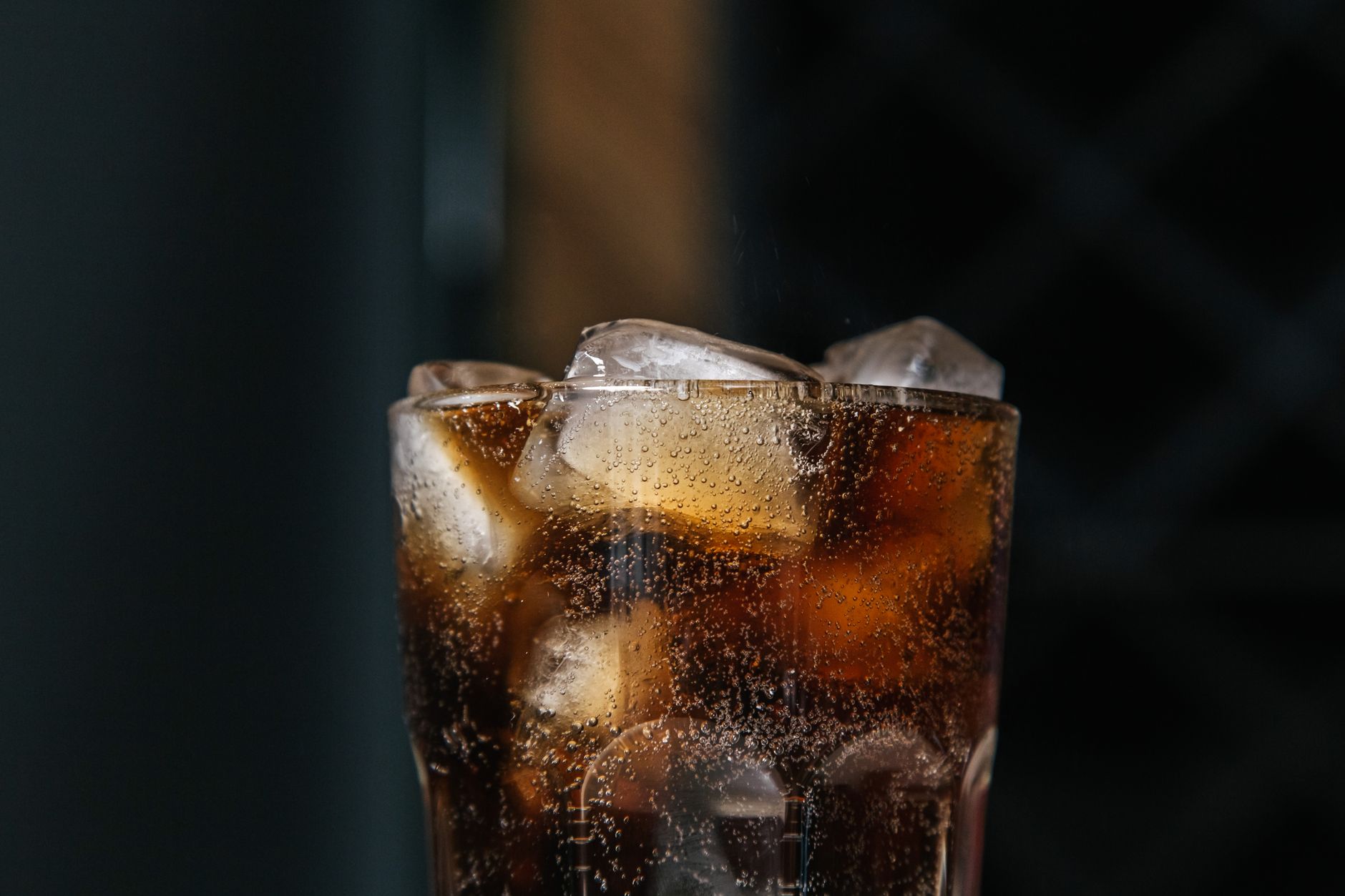
Soda is a popular beverage enjoyed by many around the world, serving as a delightful refreshment on a hot day or a fizzy accompaniment to meals. But when was soda invented? Understanding the origins of soda not only unveils its historical significance but also its evolution in flavors and consumption.
This article explores the fascinating journey of soda from its inception to modern-day varieties. We’ll cover its historical roots, notable inventions, and how soda has become ingrained in various cultures.
When Was Soda Invented?
Soda, as we know it today, began to take shape in the late 18th century. The first carbonated drinks were produced around the 1760s, with Joseph Priestley’s invention in 1767 serving as a notable milestone. However, it wasn’t until the early 19th century that soda became widely commercialized.
The Early Beginnings of Carbonation
The genesis of soda can be traced back to the discovery of carbonated water by Joseph Priestley, an English chemist. He found a method to infuse water with carbon dioxide, creating a bubbly drink that was enjoyable to consume. Priestley’s work laid the foundation for the soda industry and opened the door to experimentation with flavors and combinations.
The First Flavored Sodas
In the late 1700s, soda makers began to add flavors to the carbonated water. In 1806, a pharmacist named Bartolomeo C. C. in New York started mixing carbonated water with flavorful syrups, marking the beginning of flavored sodas. These early sodas were often medicinal, believed to have health benefits, and variations included flavors like sarsaparilla and root beer.
The Rise of Commercial Soda Production
As the 19th century progressed, soda gained popularity. The first soda fountain was established in 1829 in a pharmacy in New York, offering customers a refreshing bubbly drink mixed with syrups. This setup quickly became a social hub where people gathered to enjoy the fizzy beverages.
Key Innovations in Soda Production
- 1835: Charles Hires introduced his root beer mix, which became the first mass-produced root beer and laid the groundwork for soda as a commercial product.
- 1866: Frederick John “Fritz” Post opened his soda-water manufacturing company in New York, expanding the production scale.
- 1886: The modern era of soda began with the creation of Coca-Cola by John Pemberton. Initially sold as a tonic for various ailments, it evolved into a beloved beverage across the United States and beyond.
Soda and Public Health: From Medicine to Everyday Beverage
Initially marketed as health tonics, sodas began to face scrutiny due to the sugar content and perceived health risks associated with their consumption. By the late 19th century, some medical practitioners began warning against the excessive sugar in soda, while others continued to promote its supposed medicinal qualities.
The Anti-Soda Movement
As public awareness regarding sugar’s health effects grew, anti-soda campaigns emerged, urging consumers to be cautious about their intake. This did not diminish soda’s popularity; instead, manufacturers began to implement changes such as reduced sugar content and alternatives like diet sodas.
Regional Variations and Influences
Soda has transcended cultures and regions, leading to distinctive variations around the world. Different countries have developed unique flavors and styles that reflect local tastes and preferences.
Popular Soda Varieties Around the World
- United States: Popular flavors include cola, root beer, and ginger ale.
- Mexico: Known for its cane sugar-sweetened sodas like Jarritos and Mexican Coca-Cola.
- Japan: Offers unique flavors such as melon soda and sake-flavored variants.
The Modern Soda Industry
Today, the global soda industry has expanded into a multi-billion dollar market, with countless brands and flavors available. Innovations continue to shape the industry, with manufacturers focusing on natural ingredients, lower sugar options, and unique taste experiences.
Trends in Soda Consumption
Health-conscious consumers are driving new trends in soda production. Low-sugar, organic, and natural sodas are becoming increasingly popular as people seek alternatives to traditional sugary beverages. Craft soda breweries are also on the rise, catering to niche markets with unique, artisanal flavors.
Homemade Soda: A Delicious Alternative
For those interested in making their own soda at home, creating a homemade version can be both fun and rewarding. You can control the ingredients, sweetness levels, and flavors. Here’s a simple method to craft your own soda.
Basic Recipe for Homemade Soda
This basic recipe will yield about four servings of soda. It can be easily customized with your choice of flavors.
Preparation Time: 10 minutes
Total Time: 10 minutes
Ingredients
- 1 cup of flavored syrup (use fruit juices, herbs, or flavors of choice)
- 3 cups of carbonated water
- Ice cubes (optional)
- Fresh fruits or herbs for garnish (optional)
Essential Equipment
- Measuring cup
- Mixing spoon
- Glassware
Method
- In a pitcher, mix the flavored syrup and carbonated water. Stir gently to combine without losing too much carbonation.
- Serve the soda over ice, if desired.
- Garnish with fresh fruits or herbs, such as mint or lemon slices, for added flavor.
Customization and Flavor Variations
Experimenting with flavors is part of the fun in making homemade soda. Here are some suggestions:
- Fruit-flavored soda: Use freshly squeezed fruit juices like lemon, lime, or berries.
- Herbal soda: Infuse your syrup with herbs like mint, basil, or rosemary.
- Spicy soda: Add a hint of ginger or chili for a spicy kick.
Common Mistakes and Troubleshooting
While making homemade soda is simple, there are a few common mistakes to avoid:
- Using flat water: Always use chilled, carbonated water for that bubbly texture.
- Overmixing: Stir gently to retain carbonation; aggressive mixing can deflate the bubbles.
- Too much flavoring: Start with small amounts of syrup and adjust to taste to avoid overly sweet soda.
The Future of Soda
The soda industry is constantly evolving. As consumer tastes change and health awareness grows, the future of soda will likely involve innovative recipes, sustainable practices, and a focus on natural ingredients.
Healthier Alternatives and Innovations
Manufacturers are exploring sugar substitutes and natural sweeteners to provide lower-calorie options that don’t compromise on flavor. The rise of probiotic-infused sodas is also a notable trend, aligning with the health movements seeking gut-friendly beverages.
Conclusion
Soda’s journey from a medicinal tonic to a mainstream beverage demonstrates its cultural significance and adaptability. Its history is marked by innovation, flavor experimentation, and shifting public perceptions, making it a captivating subject for both historians and beverage enthusiasts alike. Interested in trying your hand at crafting flavors? Start with a basic homemade soda recipe!
For more beverage inspiration, explore Wendy’s Frosty Recipe or discover a fun twist with Dirty Dr. Pepper Recipe.