
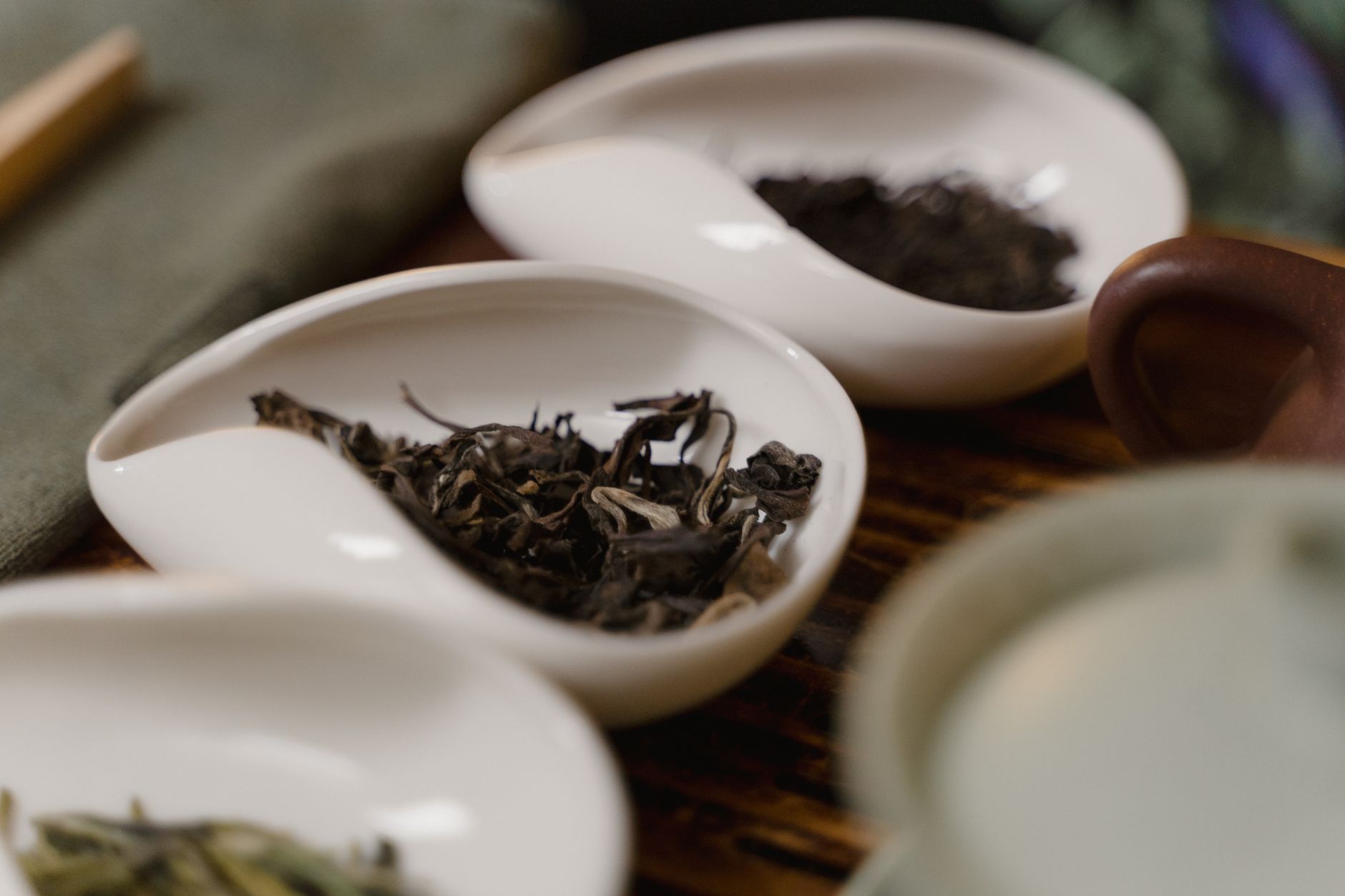
Oolong tea, often regarded as the sophisticated cousin of green and black teas, is celebrated for its unique flavor profile and texture. This partially oxidized beverage offers a delightful balance between the freshness of green tea and the robust characteristics of black tea, appealing to aromatic and flavor enthusiasts alike.
In this article, we will explore the taste of oolong tea in depth, delving into its flavor nuances, aroma, texture, and brewing suggestions. Understanding these elements will enhance your enjoyment of oolong tea and help you appreciate this remarkable beverage.
What Does Oolong Tea Taste Like?
Oolong tea is known for its complex flavor that can vary widely depending on its origin and processing method. Generally, it features a floral, fruity, and mildly toasty taste, with a smooth and creamy texture. Some varieties exhibit hints of honey or green vegetation, while others may present darker, roasted flavors.
The Varieties of Oolong Tea
Understanding the different types of oolong tea is essential, as the flavor can vary dramatically among them. The main varieties include:
- Taiwanese Oolong: Known for its floral and fruity notes. Popular types include Alishan and Dong Ding.
- Chinese Oolong: Varieties like Tieguanyin (Iron Goddess of Mercy) have a more green, floral taste, while Da Hong Pao (Big Red Robe) offers richer, roasted flavors.
- Lightly Oxidized Oolong: These tend to be more similar to green tea, providing herbal, floral notes with grassy undertones.
- Heavily Oxidized Oolong: More akin to black tea, they exhibit deeper, toasted, or caramel flavors.
Flavor Profile Breakdown
The flavor of oolong tea can be broken down into various components, allowing for a better appreciation of its complexity:
Floral Notes
Many oolong teas, particularly those from Taiwan, carry delicate floral aromas akin to orchids or jasmine. These notes can create a refreshing sensation on the palate and are often prominent in lighter varieties.
Fruity Undertones
Alongside floral elements, oolong may feature hints of fruits such as peach, apricot, or citrus. These flavors can contribute sweetness and a vibrant character to the tasting experience, particularly in high-quality oolongs.
Vegetal Flavors
Although oolong generally veers away from intense green tea traits, some varieties retain a subtle vegetal quality that might remind one of green peas or fresh grass. This is particularly true for lightly processed oolongs.
Toasted and Nutty Characteristics
Heavily oxidized oolongs often possess a richly roasted flavor, likened to roasted nuts, caramel, or dark chocolate. The toasting process adds depth, rounding out the palate nicely.
Sweetness
A hallmark of oolong tea is its smooth, creamy texture complemented by a natural sweetness. This sweetness varies depending on the oxidation degree and can be more pronounced in certain types.
Aroma of Oolong Tea
The aroma of oolong tea plays a significant role in the flavor experience. The scents can evoke a variety of sensations:
- Floral: Sweet and light, enhancing the drinking experience.
- Fruity: Bright notes that awaken the senses.
- Earthy: A grounding aroma that comes from deeper oxidation.
Texture of Oolong Tea
The texture of oolong tea is typically smooth and creamy, providing a rich mouthfeel. This texture can vary based on the steeping time, temperature, and the type of oolong used:
- Lightly Steeped Oolong: Generally shows more astringency with a lighter body.
- Heavily Steeped Oolong: Results in a fuller body and a weighty mouthfeel.
Brewing Oolong Tea: How to Get the Most Flavor
The brewing method plays a crucial role in extracting the best flavors from oolong tea. Here are some guidelines for making the perfect cup:
- Water Temperature: For lightly oxidized oolongs, aim for 185°F to 205°F (85°C to 96°C). For darker oolongs, around 195°F to 212°F (90°C to 100°C) is ideal.
- Steeping Time: Generally, steep oolong for 3 to 5 minutes. Adjust duration based on personal preferences and the specific variety.
- Tea-to-Water Ratio: Use about 1 to 2 teaspoons of tea leaves for every 8 ounces of water, but feel free to adjust for personal taste.
Common Mistakes When Brewing Oolong Tea
Avoiding these common missteps can help ensure you fully enjoy the intricate flavors of oolong:
- Using Water That’s Too Hot: This can scald the leaves, leading to bitterness. Always check the temperature.
- Over-steeping: Too long of a steep can extract astringent flavors. Keep an eye on the time.
- Not Using Enough Leaves: Insufficient leaves can result in a weak flavor profile. Use the recommended tea-to-water ratio.
Food Pairings with Oolong Tea
Oolong tea’s versatile flavor profile makes it an excellent candidate for pairing with food. Here are some suggestions:
- Lightly Oxidized Oolong: Pairs well with seafood, light salads, and fruit-based desserts.
- Heavily Oxidized Oolong: Complements roasted meats, richer cheeses, and dark chocolate.
- Desserts with Cream: Oolong tea’s inherent sweetness makes it a natural accompaniment to creamy desserts.
Oolong vs Other Types of Tea
Understanding how oolong tea compares to green and black teas can deepen your appreciation:
Oolong vs Green Tea
While both are minimally processed, green tea has a more delicate flavor and vegetal aroma. Oolong provides a more layered taste due to its oxidation levels.
Oolong vs Black Tea
Black tea is fully oxidized, presenting a stronger, bolder flavor profile. Oolong strikes a middle ground with both robust and subtle flavors, offering complexity that black tea does not.
Storing Oolong Tea
Proper storage is vital to maintain the quality of oolong tea. Here are some tips:
- Airtight Containers: Store oolong tea in a sealed container to prevent moisture absorption.
- Cool, Dark Places: Keep your tea in a cool and dark area away from direct sunlight.
- Avoid Strong Odors: Tea easily picks up odors from its environment, so store away from spices and other strong-smelling foods.
Conclusion
In summary, oolong tea presents a complex and enjoyable drinking experience, full of floral, fruity, and nutty flavors that appeal to many tea enthusiasts. By paying attention to the brewing process, flavor pairings, and storage, you can enhance your appreciation for this unique beverage.
To further explore the delightful world of flavors, consider learning about the taste of green tea or the unique characteristics of saffron. Whether you enjoy oolong tea on its own or as part of a meal, its versatility and depth are sure to enhance your culinary experiences.