
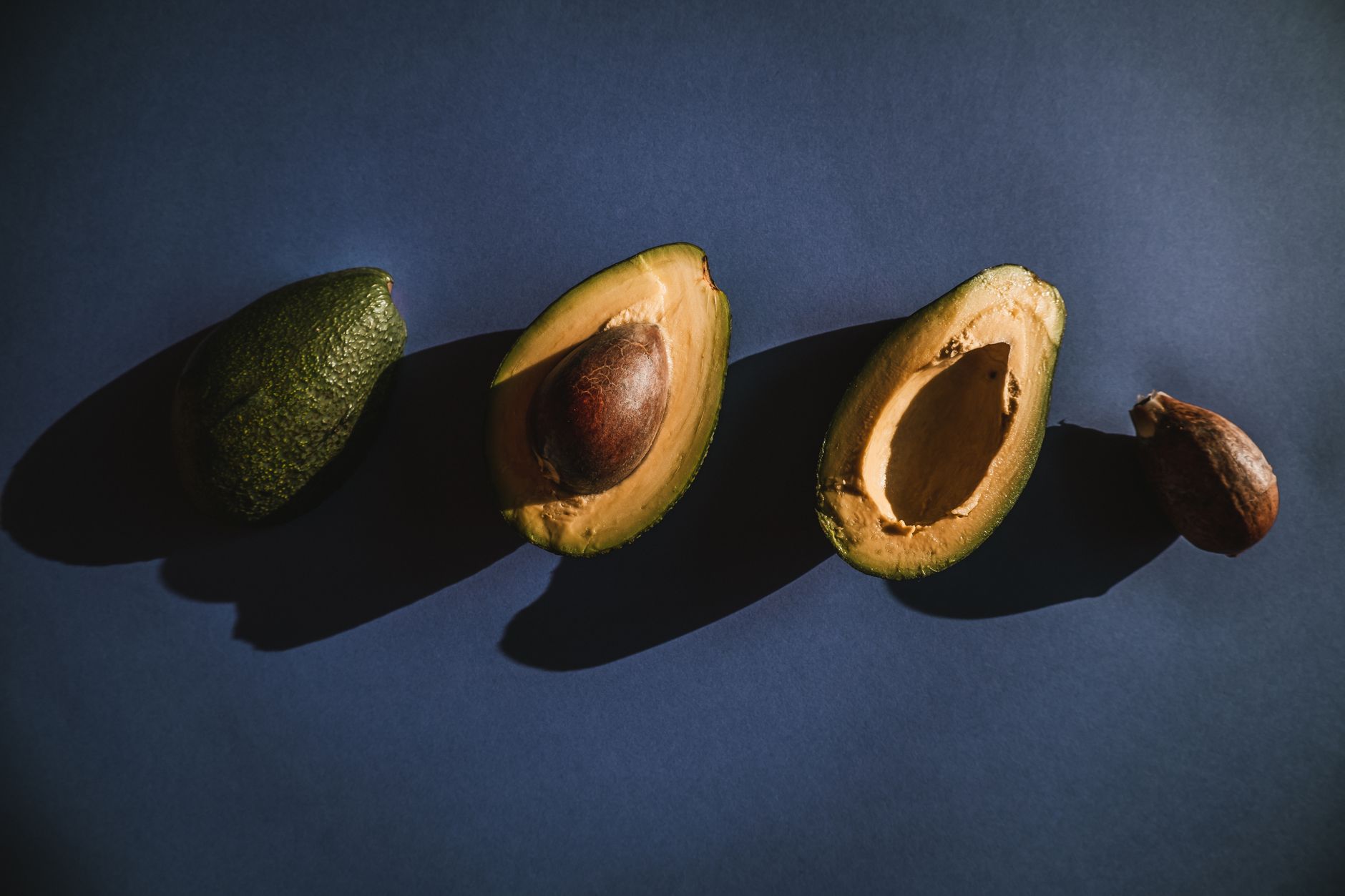
Avocados are beloved for their creamy texture and unique flavor, making them a versatile ingredient in countless dishes. However, one common issue many people face is determining when an avocado is ripe. This guide will help you navigate the ins and outs of selecting and storing avocados to ensure they are perfect for your next meal.
Understanding when an avocado is ripe is crucial for enjoying its rich taste and texture. From seasonal buying tips to proper storage techniques, this comprehensive guide will answer all your questions regarding the ripeness of avocados, helping you to make the most of this fantastic fruit.
When Is an Avocado Ripe?
An avocado is ripe when it yields slightly to pressure and has a darker skin color. Typically, you’ll want to press gently with your fingers; if it feels soft but not mushy, it’s ready to eat. It’s important to watch for subtle changes in texture and coloration in order to achieve that perfect ripeness.
Understanding Avocado Ripeness: The Basics
Ripeness in avocados is primarily determined by firmness, color, and even the stem. Here are some details to keep in mind:
Firmness
The gentle squeeze test is your best friend. A ripe avocado should give slightly under pressure, while an unripe one will feel hard. Conversely, an overly ripe avocado will feel mushy.
Color
The skin color of an avocado varies by variety, but most Common varieties, like Hass avocados, turn darker as they ripen. A bright green avocado is usually not ripe, while a deep, almost black color may indicate overripeness.
Stem Test
Another way to check for ripeness is by looking at the stem. If the stem easily twists off and the color beneath it is green, the avocado is ripe. If it’s brown, the avocado may be overripe.
Varieties of Avocados
Different varieties of avocados may ripen in unique ways; understanding these can help you choose the right one for your needs.
- Hass: The most common type in the U.S., dark green to black when ripe.
- Fuerte: Smooth-skinned and green when ripe, generally has a mild flavor.
- Pinkerton: Has a pebbly texture, ripens to a darker green, and offers a creamy flesh.
- Bacon: A milder flavor, green skin that doesn’t change much, but firm under pressure when ripe.
Seasonal Buying Tips
Avocado ripening may be influenced by the season. While avocados can be found year-round, certain times of the year might yield better quality fruits.
When to Buy
Peak avocado season varies by location. In California, the best season is generally from late winter to early summer. In Florida, the season runs through spring and early summer. When buying avocados, consider purchasing them in peak season for the freshest fruit.
Where to Buy
Local farmers’ markets often serve the freshest avocados. Supermarkets usually stock avocados, but quality can vary. Look for those that feel just soft enough, without any blemishes. Organic options are often available but at a higher price point.
Storing Avocados
Proper storage plays a pivotal role in maintaining an avocado’s ripeness. Here’s how to store both unripe and ripe avocados effectively.
Storing Unripe Avocados
Keep unripe avocados at room temperature, away from direct sunlight, which helps them ripen evenly. Placing them in a paper bag can expedite the ripening process due to the ethylene gas they produce.
Storing Ripe Avocados
Once your avocado is ripe, it’s best to store it in the refrigerator. Cold temperatures slow down the ripening process, keeping your avocado fresh for a longer period. A ripe avocado can be stored in the fridge for up to three days.
Using Avocados in Dishes
Knowing how to choose and store avocados is just half the battle; using them effectively in meals is equally crucial. Here are several common uses for avocados:
Salads
Diced avocados add creaminess to salads. They work exceptionally well with greens, tomatoes, and citrus dressing, balancing textures and flavors.
Guacamole
Perhaps the most famous avocado dish, guacamole is easy to make with a few ripe avocados, lime, cilantro, and onion. Ensure your avocados are ripe for the best flavor.
Toast
Avocado toast has become a trendy breakfast option. A ripe avocado smashed on toast with salt, pepper, and a drizzle of olive oil can be deliciously simple.
Smoothies
Adding avocados to smoothies lends a creamy texture without overpowering flavors. They pair well with fruits like banana and spinach.
Substitutions for Avocado
If you find yourself needing alternatives for avocado, consider using:
- Mashed Banana: Adds creaminess but with a different flavor.
- Silken Tofu: Has a smooth texture and provides protein.
- Nut Butters: Rich in healthy fats, nut butters can be used in some recipes, especially in smoothies.
Common Mistakes and Troubleshooting
Even the most experienced cooks encounter problems with ripeness. Here are some tips to avoid common pitfalls.
Overripe Avocados
If you inadvertently let an avocado ripen too far, you might notice browning flesh or a mushy texture. Though they can still be used in cooking or baking, they are less desirable for slicing or serving raw.
Hard Avocados
Sometimes, you may need an avocado to be ripe sooner than it is. To speed up ripening, enclose the avocado in a brown paper bag with an apple or banana—a helpful trick due to the ethylene gas these fruits emit.
How to Tell If an Avocado Is Bad
Even when stored properly, avocados can spoil. Here’s how to identify a bad avocado:
- Dark Spots: If the flesh has large dark spots, it may be overripe or spoiled.
- Off Smell: Ripe avocados have a mild aroma; a sour smell indicates spoilage.
- Firmness: An avocado that is hard and does not give when pressed is unripe, while one that is overly soft to the point of squishing is likely bad.
Recipes Featuring Ripe Avocados
Once you’ve mastered the art of ripeness, it’s time to use avocados in various delightful recipes. Here are a couple to get you started:
Avocado Bread
This unique take on bread incorporates mashed avocado for an interesting flavor twist and moist texture. It’s a great way to use overripe avocados!
- Ingredients:
- 1 ripe avocado
- 2 cups flour
- 1 cup sugar
- 1 tsp baking powder
- 1/2 tsp salt
- 2 eggs
- 1/2 cup vegetable oil
Avocado Crema
A light and refreshing sauce that pairs beautifully with tacos or grilled meats.
- Ingredients:
- 1 ripe avocado
- 1 cup sour cream
- 1 lime, juiced
- 1 clove garlic, minced
- Salt and pepper to taste
Final Thoughts
Understanding when avocados are ripe is key to making the most of this delicious fruit. By selecting quality avocados, storing them properly, and being mindful of their ripeness, you can enhance your culinary experience. Aim to incorporate avocados into your meals, from salads to smoothies, ensuring they are perfectly ripened for optimal flavor and enjoyment.
If you’re interested in exploring more avocado-based dishes, consider checking out our Avocado Bread Recipe and Avocado Crema Recipe for inspiration!