
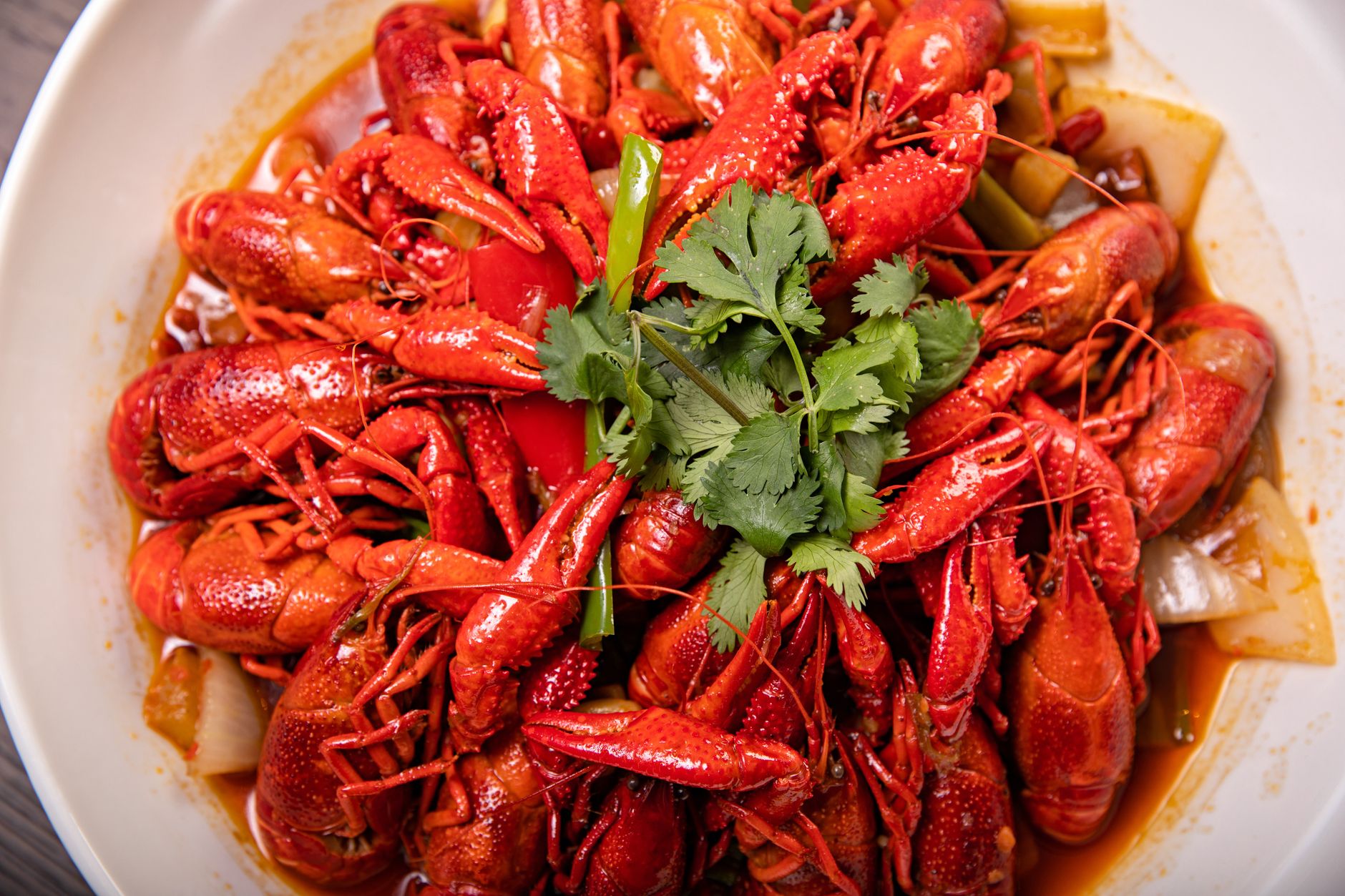
Crawfish season is a delightful time for seafood lovers, particularly in the southern United States. With its rich history and cultural significance, the crawfish boil has become a social tradition. However, understanding the timeline of when this season begins and ends can be tricky. In this article, we will unpack everything you need to know about the crawfish season, including its duration, peak times, and buying tips.
Crawfish, also known as crayfish or crawdads, thrive in freshwater environments and are typically harvested in specific periods. Knowing when crawfish season ends will help you plan your gatherings, meals, and perhaps even some crawfish boils with friends and family.
When Does Crawfish Season End?
Crawfish season generally ends by late July to early August, depending on various factors such as weather conditions and regional practices. The peak harvest season typically spans from February to May, when the water temperature is optimal for crawfish breeding and growth. However, as summer approaches, the availability of these crustaceans diminishes significantly.
Understanding Crawfish Lifecycle and Harvesting
To appreciate the timing of crawfish season, it is essential to understand their lifecycle. Crawfish are most abundant after winter when the temperatures rise and their growth accelerates. Harvesting usually ramps up as early as late January, but significant catches occur by March and continue until early summer.
The Role of Temperature
The temperature of the water plays a crucial role in crawfish availability. Ideal water temperatures for crawfish growth are between 65°F and 75°F. When water temperatures rise beyond this range, crawfish become less active and are harder to catch. Consequently, their population begins to decrease in late summer.
Regional Variations in Crawfish Season
Crawfish season may vary slightly based on geographical locations. While Louisiana is famous for its crawfish, other southern states also participate in the harvest. Each region may have its own harvesting practices and peak times.
Louisiana
In Louisiana, crawfish season typically begins in late January and runs until early July. The peak harvest usually occurs from March to May. Most locals celebrate this season with traditional crawfish boils, an event characterized by communal gathering and merriment.
Texas and Southeastern States
In areas like Texas, Arkansas, and Mississippi, the timings are relatively similar, with the season stretching from late January to mid-July. However, specific weather patterns might influence local production schedules, causing variations in availability.
Buying Crawfish: Tips for the Best Seasonal Experience
When shopping for crawfish, it’s vital to ensure the best quality and freshness. Here are some practical tips to help you purchase the finest crawfish during the season:
- Buy Live Crawfish: Always opt for live crawfish when possible. Their lively movements indicate freshness, while dead crawfish should be avoided, as they may spoil quickly.
- Check the Sourcing: Purchase from reputable sources, preferably local sellers. This not only supports local fisheries but often guarantees fresher seafood.
- Size Matters: Choose the size of crawfish according to your preference. Smaller crawfish (often called “petite”) are tender and sweet, while larger ones have more meat but can be a bit less flavorful.
- Timing of Purchase: Aim to buy crawfish towards the end of the week. Seafood markets often have fresher stocks in anticipation of weekend gatherings.
- Consider Storage: If you plan to cook them later, keep crawfish in a cool, well-ventilated area to maintain their health before cooking.
Preparing for a Crawfish Boil
Crawfish boils are not only a culinary delight but a social event. Here’s how you can prepare for a successful crawfish boil.
Gathering Ingredients
A typical crawfish boil requires more than just crawfish. Here’s a list of ingredients you might consider:
- Live crawfish
- Water
- Seasoning (like Zatarain’s or a homemade blend)
- Potatoes
- Corn on the cob
- Sausage (smoked sausage or andouille)
- Garlic and onions
- Optional: artichokes, mushrooms, or other seasonal vegetables
Essential Equipment
Here are the tools you’ll need for a successful boil:
- Larger-than-usual boiling pot (at least 30-quart capacity)
- Outdoor burner for safe heating
- Strainer basket for easy removal of crawfish and veggies from the pot
- Large serving platters or newspaper for serving
- Tools for handling hot food (long tongs or gloves)
Steps for Cooking Crawfish
- Begin by purging live crawfish in clean water for about 30 minutes to an hour to remove any mud or impurities.
- Fill your boiling pot with enough water to cover the crawfish and bring it to a rolling boil.
- Add your seasonings according to taste, along with potatoes and sausage to the pot. Let them cook for about 10-15 minutes.
- Next, add the corn and other vegetables, allowing them to cook for an additional 5 minutes.
- Finally, add the crawfish to the pot and cover. Cook for about 3-5 minutes until crawfish turn bright red.
- Turn off the heat and let the crawfish sit in the seasoning for another 10-15 minutes to soak up flavors.
- Carefully remove the crawfish and other ingredients using the strainer, and serve them on a large platter or covered with newspaper.
Cooking crawfish can be simple yet rewarding, especially when shared with friends and family. Each festival and gathering uniquely celebrates this flavorful crustacean.
Common Mistakes to Avoid
Even experienced cooks can make missteps when preparing crawfish. Here are some common errors to avoid:
- Overcooking: This can lead to tough and rubbery crawfish. Keep a close eye on your boiling time.
- Insufficient seasoning: Crawfish absorb flavors well. Ensure you use a generous amount of seasoning in the boiling water.
- Neglecting to purge: Not purging crawfish before cooking can result in a gritty texture.
- Ignoring temperature: Remember to cook the crawfish at the right water temperature for optimal flavor and texture.
Storage and Reheating
Once your crawfish boil is over, the remaining cooked crawfish can be stored in the refrigerator. Make sure to place them in an airtight container, where they will last for up to 3 days. When reheating, it’s best to do so gently in a pot over low heat to prevent them from becoming rubbery.
Crawfish Alternatives and Substitutions
If you cannot find fresh crawfish or prefer to explore variations, consider these alternatives:
- Shrimp: A popular substitute with a similar taste profile and can easily absorb spices. Adjust cooking times accordingly.
For a more luxurious option, these shellfish provide a rich flavor, but they are priced higher than crawfish. - Mussels or clams: These can also be added to your boil for additional variety and texture.
Conclusion
Understanding when crawfish season ends is key to maximizing your culinary adventures with this delightful crustacean. As summer approaches, the availability decreases, making it crucial to savor the flavors while you can. Incorporate crawfish into your meal plan, host a traditional crawfish boil, and enjoy the many culinary delights this season has to offer.
For those eager to dive deeper into exciting culinary experiences, explore our crawfish boil recipe for a perfect start to your crawfish journey. Enjoy the flavors!