
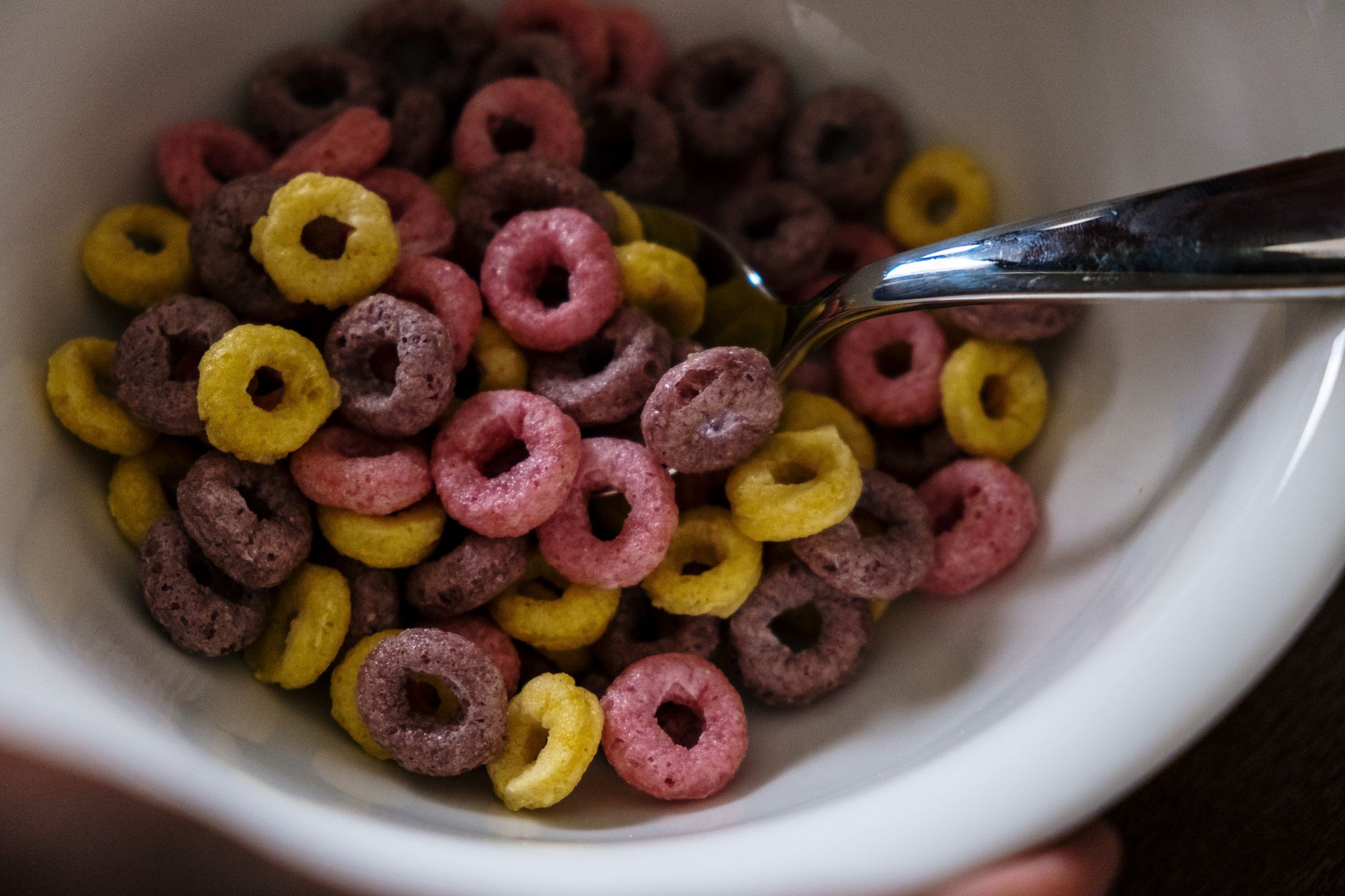
Introducing your baby to solid foods is an exciting milestone, and many parents wonder when to introduce cereal as part of their baby’s diet. Cereal can be a nutritious first food, providing essential nutrients and aiding in the transition from liquid to solid meals.
In this article, we’ll explore the appropriate age for introducing cereal, types of cereals that are suitable for babies, nutritional considerations, and tips for preparing these foods safely and effectively.
When Do Babies Start Eating Cereal?
Babies typically start eating cereal around 4 to 6 months of age. At this stage, they are developmentally ready to begin consuming solid foods, and infant cereal is a common first choice due to its smooth texture and added vitamins.
Why Choose Cereal for Your Baby?
Many parents opt to introduce cereal as one of the first solid foods for several reasons:
- Easy to Digest: Most infant cereals are fortified, smooth, and easy to digest, making them suitable for sensitive stomachs.
- Iron and Nutrients: Many baby cereals are fortified with iron, which is crucial for babies’ development, especially since their natural iron stores begin to deplete around six months.
- Versatile Base: Cereal can serve as a base to combine with fruits, vegetables, or pureed proteins, allowing for a variety of flavors and nutrients.
Types of Cereals for Babies
Choosing the right cereal means considering both safety and nutrition. Here are some common types of cereals and their benefits:
1. Rice Cereal
Rice cereal is often the first choice for many parents because it is gluten-free and easy to digest. It also tends to have a mild taste that is well-accepted by babies.
2. Oatmeal Cereal
Oatmeal offers more fiber than rice cereal, which can contribute to digestive health. It is also richer in nutrients, providing essential vitamins and minerals.
3. Barley Cereal
Barley is another nutritious option, containing more fiber and iron compared to rice cereal. It may be a good choice for babies who have tried other cereals and are ready for a different flavor.
4. Multigrain Cereal
Multigrain cereals combine several grains, providing a range of nutrients and flavors. When choosing multigrain cereals, ensure they are specifically designed for infants to avoid gluten if your baby is at risk for intolerances.
How to Introduce Cereal to Your Baby
Properly introducing cereal can help ensure your baby has a positive experience with solid foods. Here’s how to do it:
1. Choose the Right Time
Pick a time when your baby is alert and happy. Avoid times when they are tired or fussy. A good time might be after a nap when they are ready to explore new tastes.
2. Prepare the Cereal
Infant cereals should be prepared with breast milk, formula, or water. Begin by mixing one tablespoon of cereal with 4-5 tablespoons of liquid to achieve a smooth, thin consistency.
3. Encourage Exploration
When offering cereal, use a small spoon and encourage your baby to explore the food. If they seem curious, let them touch the cereal or play with it to build comfort.
4. Monitor for Allergies
Introduce one new cereal at a time and wait at least three days before adding another. This way, if your baby has an allergic reaction, you can identify the culprit easily.
Understanding Nutritional Considerations
Navigating your baby’s nutritional needs during this transition is crucial. Here are points to keep in mind:
Iron Fortification
As mentioned, many commercial baby cereals are fortified with iron, which is essential for your baby’s growth and development. Iron findings suggest that babies need about 11 mg of iron daily around 7-12 months old. Therefore, introducing iron-fortified cereal can help meet these nutritional needs.
Avoid Added Sugars
Choose cereals without added sugars. Babies do not need sugar at a young age, and introducing sweets early can lead to preference for these flavors later on.
Texture Transition
Gradually introduce grain textures as your baby becomes accustomed to eating solids. Start thin and smooth, and then, over time, you can begin to thicken the cereal to help them adjust to more complex textures.
Watch for Constipation
When introducing cereals, some babies may experience constipation, particularly when starting with rice cereal due to its low fiber content. Consider introducing oatmeal or barley cereals, which are higher in fiber, if you notice this issue.
Common Mistakes to Avoid
While introducing cereal, it’s important to avoid common pitfalls. Here are mistakes to watch for:
1. Starting Too Early
Feeding solids too early can increase the risk of choking or digestive issues. Ensure your baby shows signs of readiness, such as being able to sit up unassisted and showing interest in food.
2. Offering the Wrong Textures
Starting with overly thick or lumpy cereals can overwhelm babies. Begin with smoother options before progressing to thicker consistencies.
3. Ignoring Allergies
As mentioned earlier, especially for first-time solid-food eaters, introducing new cereals one at a time is essential. Monitor for any reactions, such as rash, vomiting, or digestive distress.
Preparing Homemade Baby Cereal
If you prefer making your own baby cereal, here’s a simple method for preparing oatmeal or rice cereal at home:
Ingredients for Homemade Oatmeal Cereal
- 1 cup rolled oats (or whole grain if preferred)
- 2-3 cups of water or stock (for added flavor)
Equipment Needed
- Blender or food processor
- Medium saucepan
- Measuring cups
Preparation Steps
- Blend the rolled oats to a fine powder in a blender or food processor.
- In a medium saucepan, bring water or stock to a boil.
- Gradually add the powdered oats to the boiling liquid while stirring continuously to prevent clumping.
- Reduce heat to low and simmer for about 5-10 minutes until the mixture thickens.
- Cool the cereal before serving to baby, and thin with additional liquid if needed.
Storage Tips for Baby Cereal
Proper storage is essential for homemade and store-bought cereals. Here are some guidelines:
Homemade Cereal Storage
Store unused, cooled cereal in an airtight container in the refrigerator for up to 24-48 hours. If you need to store it longer, consider freezing it in portion sizes.
Store-Bought Cereal Storage
Keep sealed packs of infant cereal in a cool, dry place. Once opened, consume within a month for optimal freshness, and ensure to check expiration dates.
When to Progress Beyond Cereal
It’s important to know when to introduce various foods beyond cereal. After your baby has successfully accepted cereal and appears comfortable with textured foods (around 6-9 months), you can gradually introduce pureed vegetables, fruits, and proteins.
Signs to Look For
Watch for your baby’s readiness to explore food diversity:
- Baby sits confidently in a high chair.
- Shows interest in family meals.
- Successfully swallows foods without coughing or gagging.
Conclusion
Knowing when to start introducing cereal to your baby’s diet is key to fostering a healthy food relationship. Select nutrient-rich cereals, proceed at your baby’s pace, and be mindful of their reactions. With patience and guidance, you can help your little one embark on a journey toward diverse and nourishing meals.
For more ideas, explore recipes such as chia pudding or learn about ingredient substitutions like rosemary alternatives. Happy feeding!