
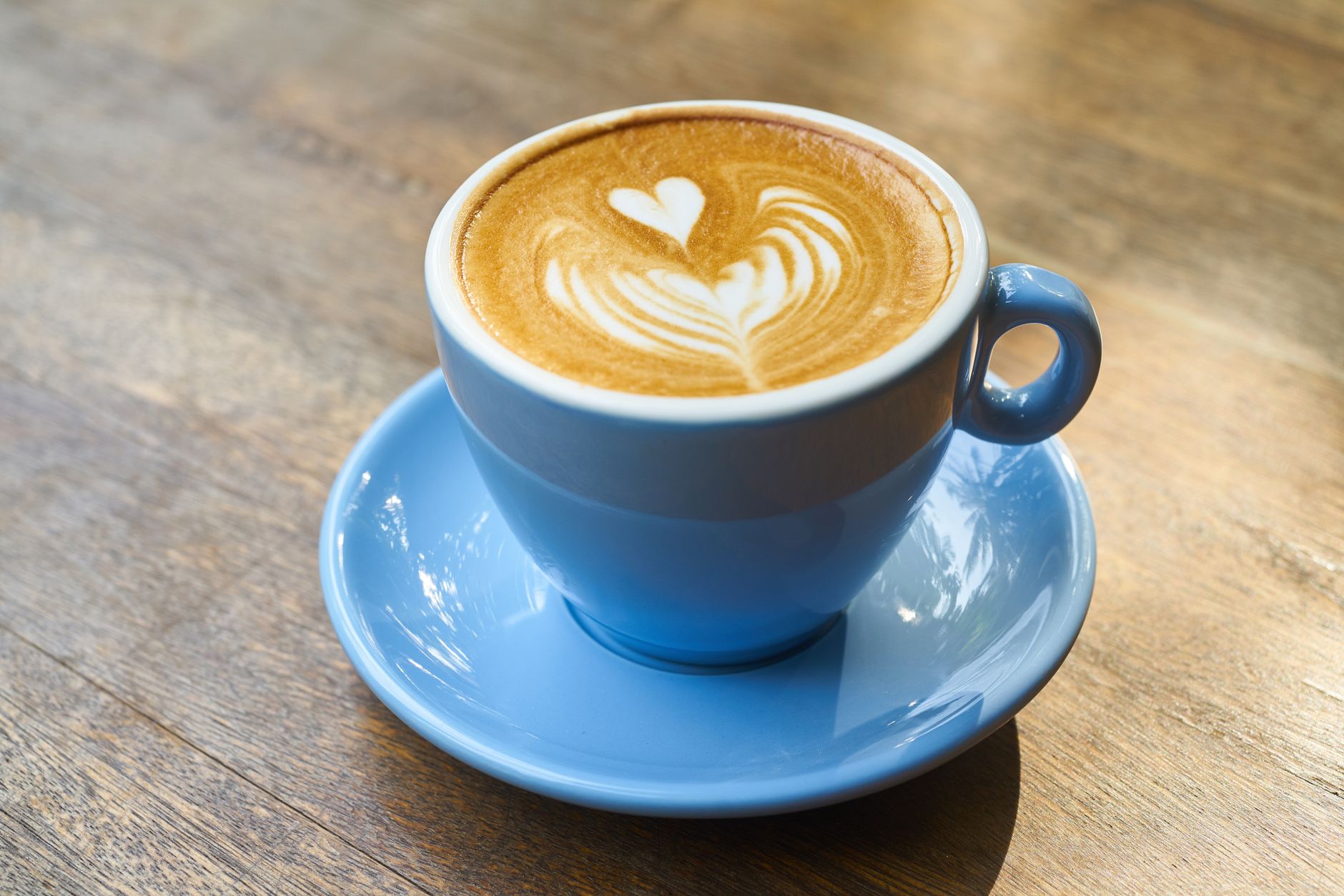
Starbucks has become synonymous with coffee culture around the world. Its distinctive beverage offerings and inviting store atmospheres attract millions daily. Understanding the history of Starbucks, including when it opened, provides context to its evolution into a global brand.
The first Starbucks opened its doors on March 30, 1971, in Seattle, Washington. The original store was primarily a retailer of coffee beans and equipment, not the café experience we know today. Over the years, Starbucks transitioned into the coffeehouse model, enhancing its menu and expanding globally.
What Was the Original Concept Behind Starbucks?
Initially, Starbucks was founded by three partners: Jerry Baldwin, Zev Siegl, and Gordon Bowker. Their vision was to offer high-quality coffee beans and equipment, focusing on the tradition of brewing coffee. They sourced their beans from reputable growers, a concept that appealed to coffee enthusiasts.
In the 1980s, Howard Schultz joined the company and played a crucial role in transforming Starbucks into the coffeehouse chain it is today. Schultz’s passion for coffee culture was influenced by his experience in Italy, where he observed the vibrant café culture. This inspired him to introduce espresso-based drinks to the Starbucks menu, leading to the establishment of the first Starbucks café in 1984.
Significant Milestones in Starbucks’ History
After its founding in 1971, Starbucks experienced several key milestones that contributed to its growth and brand identity:
- February 1987: Schultz and investors bought Starbucks and began expanding beyond Seattle.
- 1996: Starbucks opened its first store outside North America in Tokyo, Japan, marking its global expansion.
- 2000: Starbucks reached a significant milestone with 2,500 locations worldwide.
- 2020: The company announced plans to convert 55% of its stores in the U.S. to drive-thru locations, adapting to changing consumer habits during the pandemic.
Exploring Starbucks’ Menu Offerings
Starbucks’ menu has evolved significantly since that first store opened. Today, it includes a wide array of beverages, snacks, and food items that cater to various tastes and dietary preferences. Here are some popular categories:
Coffee Beverages
Starbucks is best known for its wide range of coffee beverages, including:
- Espresso: The foundation for most coffee drinks, available as shots or in beverages like lattes and macchiatos.
- Seasonal Specials: These drinks are often released for a limited time, with flavors like pumpkin spice and peppermint mocha garnering significant attention.
- Iced Beverages: Iced coffees, frappuccinos, and cold brews that offer a refreshing twist to coffee.
Food Items
Starbucks also offers a selection of food items perfect for breakfast or a light snack:
- Pastries: Croissants, muffins, and scones are popular morning options.
- Sandwiches: A range of breakfast and lunch sandwiches that cater to those looking for a hearty meal.
- Salads and Bowls: Nutritious options that appeal to health-conscious customers.
Starbucks’ Cultural Impact
Starbucks has had a profound impact on coffee culture and consumer habits across the globe. Its emphasis on quality and customer experience has set a new standard for coffee shops. Here are a few notable impacts:
Creating a Third Place
Starbucks aimed to create a “third place” — a space different from home or work where customers could relax, meet, and socialize. This concept has influenced coffee shops worldwide, making them central to community engagement.
Changing Consumer Preferences
Starbucks played a significant role in changing how consumers perceive coffee. From instant coffee to gourmet blends, Starbucks promoted a culture geared towards high-quality, curated coffee experiences, which encouraged consumers to explore different coffee profiles.
Global Expansion and Adaptation
Starbucks showcases the importance of local adaptation in global business. The company has introduced regional offerings, such as the Sakura Cherry Blossom Frappuccino in Japan, demonstrating sensitivity to local tastes without compromising its brand identity.
Innovations and Trends in Starbucks
Starbucks continues to innovate its offerings and operational strategies to stay relevant in the ever-evolving food and beverage industry. Here are some recent trends and initiatives:
Mobile Ordering and Payment
The Starbucks app allows customers to order ahead, skip the line, and earn rewards points. This convenience has become a game-changer for busy consumers, and Starbucks continues to invest in technology that enhances customer experience.
Sustainability Efforts
With growing awareness about environmental concerns, Starbucks has initiated various sustainability efforts, such as:
- Reducing Waste: The company aims to reduce single-use plastic straws and offers reusable cup discounts.
- Global Responsibility: Starbucks has committed to ethically sourcing coffee and promoting farmer welfare.
- Energy Efficiency: Many stores are designed with energy-efficient practices, incorporating sustainable materials and reducing water usage.
New Product Lines
Starbucks continuously evaluates consumer trends, leading to the introduction of new product lines like plant-based food items and alternative milk options. These adaptations resonate with customers looking for healthier or more sustainable alternatives.
How to Make Your Own Starbucks-Style Drinks at Home
While enjoying Starbucks drinks is a delightful experience, you can replicate some favorites at home. This practice can be economical and fun, allowing you to customize flavors. Here are a few popular recipes:
Homemade Pumpkin Spice Latte
This seasonal favorite can be made easily with just a few ingredients. Here’s a simple recipe:
- Servings: 2
- Preparation Time: 5 minutes
- Cooking Time: 5 minutes
- Total Time: 10 minutes
Ingredients
- 2 cups milk (dairy or non-dairy)
- 2 shots of espresso or 1 cup of brewed coffee
- 2 tablespoons pumpkin puree
- 1 tablespoon sugar (or to taste)
- 1/2 teaspoon pumpkin pie spice
- Whipped cream (optional topping)
- Extra pumpkin pie spice for garnish
Equipment
- Espresso machine or coffee maker
- Milk frother (optional)
- Small saucepan
- Measuring cups and spoons
- Cup for serving
Instructions
- In a small saucepan, heat the milk over medium heat until steaming but not boiling.
- Add the pumpkin puree, sugar, and pumpkin pie spice. Whisk until well combined and frothy.
- Brew your espresso or coffee while the milk is heating.
- Pour the coffee into two cups, followed by the pumpkin milk mixture.
- Add whipped cream and a sprinkle of pumpkin pie spice on top if desired. Serve immediately.
Starbucks Iced Caramel Macchiato
This sweet beverage is perfect for warm days. Here’s a homemade version:
- Servings: 2
- Preparation Time: 5 minutes
- Cooking Time: 5 minutes
- Total Time: 10 minutes
Ingredients
- 1 cup milk (dairy or non-dairy)
- 2 shots of espresso or 1/2 cup brewed coffee
- 2 tablespoons caramel sauce
- Ice cubes
- Vanilla syrup (optional, to taste)
Equipment
- Espresso machine or coffee maker
- Glass for serving
- Measuring cups and spoons
Instructions
- Fill a glass with ice cubes.
- Pour the milk over the ice, and if desired, add vanilla syrup.
- Brew your espresso or strong coffee and pour it over the milk mixture.
- Drizzle caramel sauce on top. Stir before drinking for an all-around sweet experience.
Conclusion
Starbucks has become a significant player in coffee culture since it opened in 1971, evolving from a coffee bean retailer to a global coffeehouse chain. Understanding this journey offers insight into its widespread appeal and cultural significance. If you’re a fan of Starbucks or simply love coffee, trying out homemade versions of their drinks can be an enjoyable way to celebrate this beloved brand.
Explore related recipes and tips, such as the Starbucks pumpkin bread recipe or the Starbucks grilled cheese recipe. Discover more delicious food guides to elevate your culinary skills!