
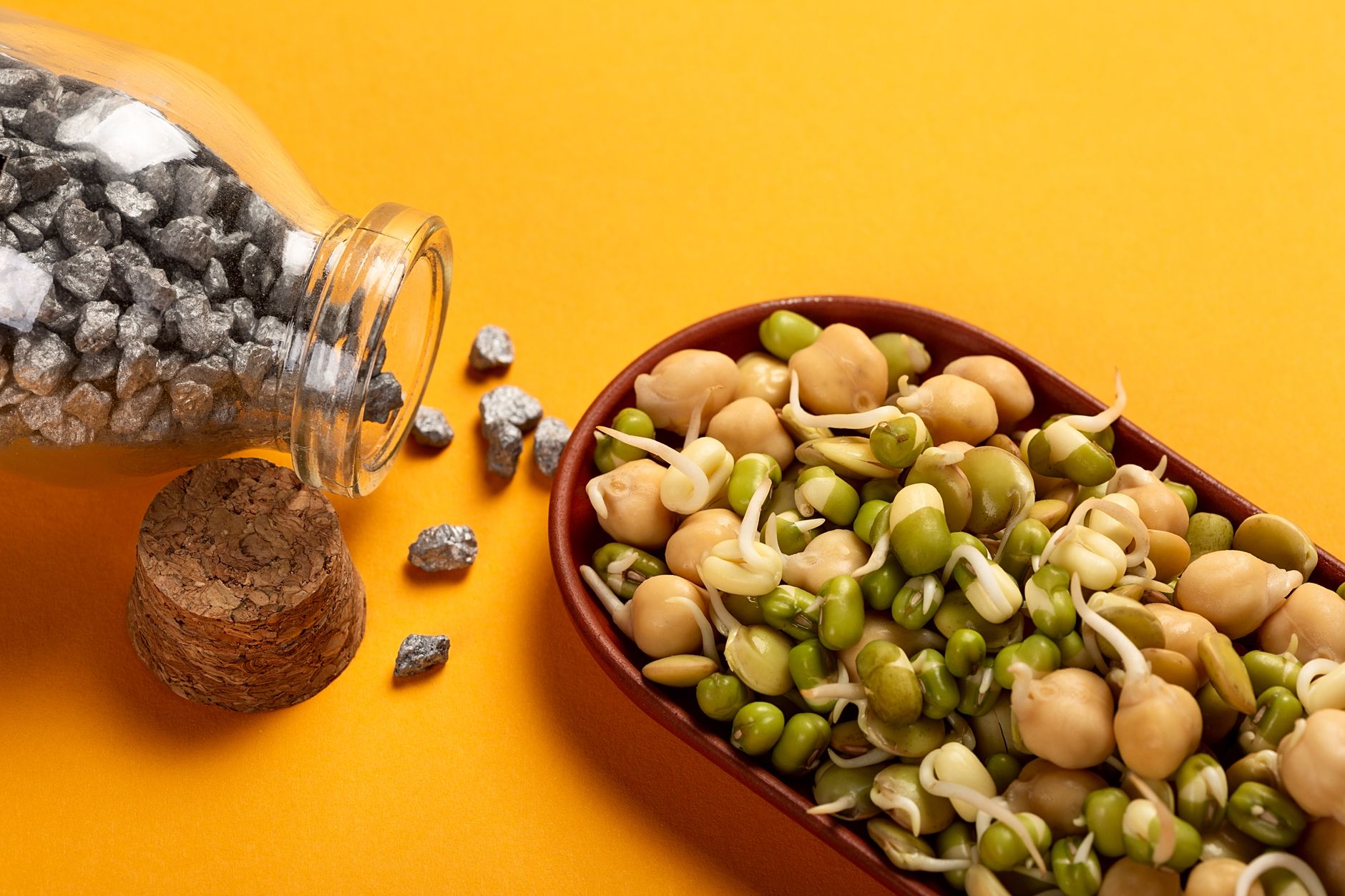
Iron is an essential mineral that plays a crucial role in our bodies, particularly in the formation of red blood cells and the transportation of oxygen. While many people associate iron primarily with meat, several vegetables are also rich in this important nutrient. Understanding which vegetables have iron can help ensure you’re meeting your dietary needs, particularly if you’re following a vegetarian or vegan lifestyle.
This guide provides insights into iron-rich vegetables, their nutritional facts, and serving sizes, helping you make informed choices for your meals.
What Vegetables Have Iron?
There are several vegetables known for their iron content. Leafy greens, legumes, and certain root vegetables often provide substantial amounts of iron. These vegetables can play a vital role in a balanced diet and contribute to your daily iron intake.
Iron Content in Vegetables: A Closer Look
When we talk about iron in plants, it’s essential to understand that there are two types: heme iron, which is found in animal products, and non-heme iron, which is found in plant-based foods. Non-heme iron is less easily absorbed by the body, so pairing these vegetables with vitamin C-rich foods can enhance absorption.
Leafy Greens
Leafy greens are among the top vegetable sources of iron. Below are some of the most notable leafy greens, along with their iron content:
- Spinach: One cup of cooked spinach contains approximately 6.43 mg of iron.
- Kale: One cup of cooked kale provides around 1.17 mg of iron.
- Swiss Chard: A cooked cup serves about 4 mg of iron.
- Collard Greens: One cup cooked has about 2.5 mg of iron.
- Mustard Greens: Provides roughly 2.2 mg of iron per cooked cup.
Legumes
Legumes are an excellent source of iron, making them an essential component of vegetarian and vegan diets. Here are some legumes that can help boost your iron intake:
- Lentils: One cup of cooked lentils contains about 6.6 mg of iron.
- Chickpeas: A cup of cooked chickpeas has around 4.74 mg of iron.
- Kidney Beans: Cooked kidney beans provide about 3.93 mg of iron per cup.
- Black Beans: One cup cooked black beans contains approximately 3.61 mg of iron.
- Pinto Beans: A cup of cooked pinto beans provides around 3.57 mg of iron.
Root Vegetables
Root vegetables also contribute to your iron intake, although they are generally lower in iron compared to leafy greens and legumes. Here’s a look at some iron-rich root vegetables:
- Potatoes: One medium potato contains about 1.89 mg of iron.
- Sweet Potatoes: A medium sweet potato offers roughly 0.77 mg of iron.
- Beets: One cup of cooked beets provides around 1.35 mg of iron.
Other Iron-Rich Vegetables
Besides leafy greens, legumes, and root vegetables, several other vegetables can add to your iron intake:
- Broccoli: One cup cooked broccoli has about 1 mg of iron.
- Brussels Sprouts: A cup of cooked Brussels sprouts provides around 1.2 mg of iron.
- Mushrooms: One cup of cooked mushrooms (especially shiitake) contains about 0.7 mg of iron.
- Asparagus: One cup of cooked asparagus contains approximately 2.0 mg of iron.
- Zucchini: One medium zucchini provides about 0.4 mg of iron.
Nutritional Facts and Serving Sizes
Understanding the nutritional content of these iron-rich vegetables is key for meal planning. Below, we’ve compiled a detailed chart for easy reference:
| Vegetable | Serving Size | Iron Content (mg) |
|---|---|---|
| Spinach | 1 cup cooked | 6.43 |
| Kale | 1 cup cooked | 1.17 |
| Swiss Chard | 1 cup cooked | 4.0 |
| Collard Greens | 1 cup cooked | 2.5 |
| Lentils | 1 cup cooked | 6.6 |
| Chickpeas | 1 cup cooked | 4.74 |
| Potato | 1 medium | 1.89 |
| Sweet Potato | 1 medium | 0.77 |
| Beets | 1 cup cooked | 1.35 |
Factors Affecting Iron Absorption
As noted, the absorption of non-heme iron from plant sources can be affected by various factors. Here’s what you need to know about enhancing iron absorption:
Vitamin C
Pairing iron-rich vegetables with vitamin C sources can significantly enhance iron absorption. For instance, mixing spinach with citrus fruits or bell peppers will boost the iron you get from your meal.
Phytates and Oxalates
Some vegetables and grains contain phytates and oxalates, which can inhibit iron absorption. Foods high in these compounds include wheat bran, certain legumes, and spinach. However, cooking methods such as soaking or sprouting can reduce these compounds, making iron more available.
Caffeine and Calcium
Caffeinated beverages (like coffee and tea) and high-calcium foods can also block iron absorption. It’s advisable to consume these items between meals rather than with iron-rich meals.
Meal Planning with Iron-Rich Vegetables
Incorporating iron-rich vegetables into your diet can be easy and delicious. Here’s how you can plan meals around these ingredients:
Breakfast Ideas
- Green Smoothies: Blend spinach or kale with fruits and a splash of citrus for a refreshing start.
- Lentil Hash: Cook lentils with diced sweet potato, bell peppers, and spices for a hearty breakfast.
Lunch Suggestions
- Quinoa Salad: Include chickpeas, assorted veggies, and a lemon vinaigrette for a nutritious meal.
- Vegetable Stir-Fry: Sauté broccoli, mushrooms, and snap peas with soy sauce and serve over brown rice.
Dinner Ideas
- Stuffed Peppers: Fill bell peppers with a mixture of black beans, quinoa, and spices.
- Kale and Potato Soup: A warming bowl of soup that combines kale, potatoes, and lentils.
Common Mistakes in Iron Intake
When planning meals for adequate iron consumption, here are some common pitfalls to avoid:
- Neglecting Vitamin C: Forgetting to incorporate vitamin C-rich foods alongside iron sources can reduce absorption.
- Over-restriction: It’s important not to avoid iron-rich foods entirely, especially if you’re vegetarian or vegan.
- Ignoring Cooking Methods: Not cooking vegetables properly can contribute to lower iron levels due to high oxalate content.
Cooking Techniques to Enhance Iron Intake
Certain cooking techniques can help make iron from vegetables more bioavailable:
Cooking Methods
- Steaming: Gentle steaming can help retain nutritional value while reducing oxalate levels.
- Boiling: Boiling can also reduce certain antinutrients, but it may leach some nutrients into the water.
- Fermentation: Fermenting foods can enhance nutrient absorption, including iron.
Storage and Preservation of Iron-Rich Vegetables
Proper storage not only extends the shelf life of your vegetables but also helps preserve their nutritional value:
- Store leafy greens in the refrigerator crisper drawer wrapped in a damp paper towel.
- Keep root vegetables in a cool, dark, and dry place to prevent spoilage.
- Freezing: Blanch vegetables briefly before freezing to maintain their color and nutritional value.
Conclusion
Incorporating iron-rich vegetables into your diet is straightforward and beneficial. By combining different sources, utilizing cooking techniques to enhance iron absorption, and planning meals with a variety of iron-rich foods, you can easily reach your recommended intake. Experimenting with different dishes not only ensures adequate iron consumption but also adds color and flavor to your plate.
Explore more on how to integrate iron-rich foods into your diet with our guides on what has iron and the amount of protein in spinach.