
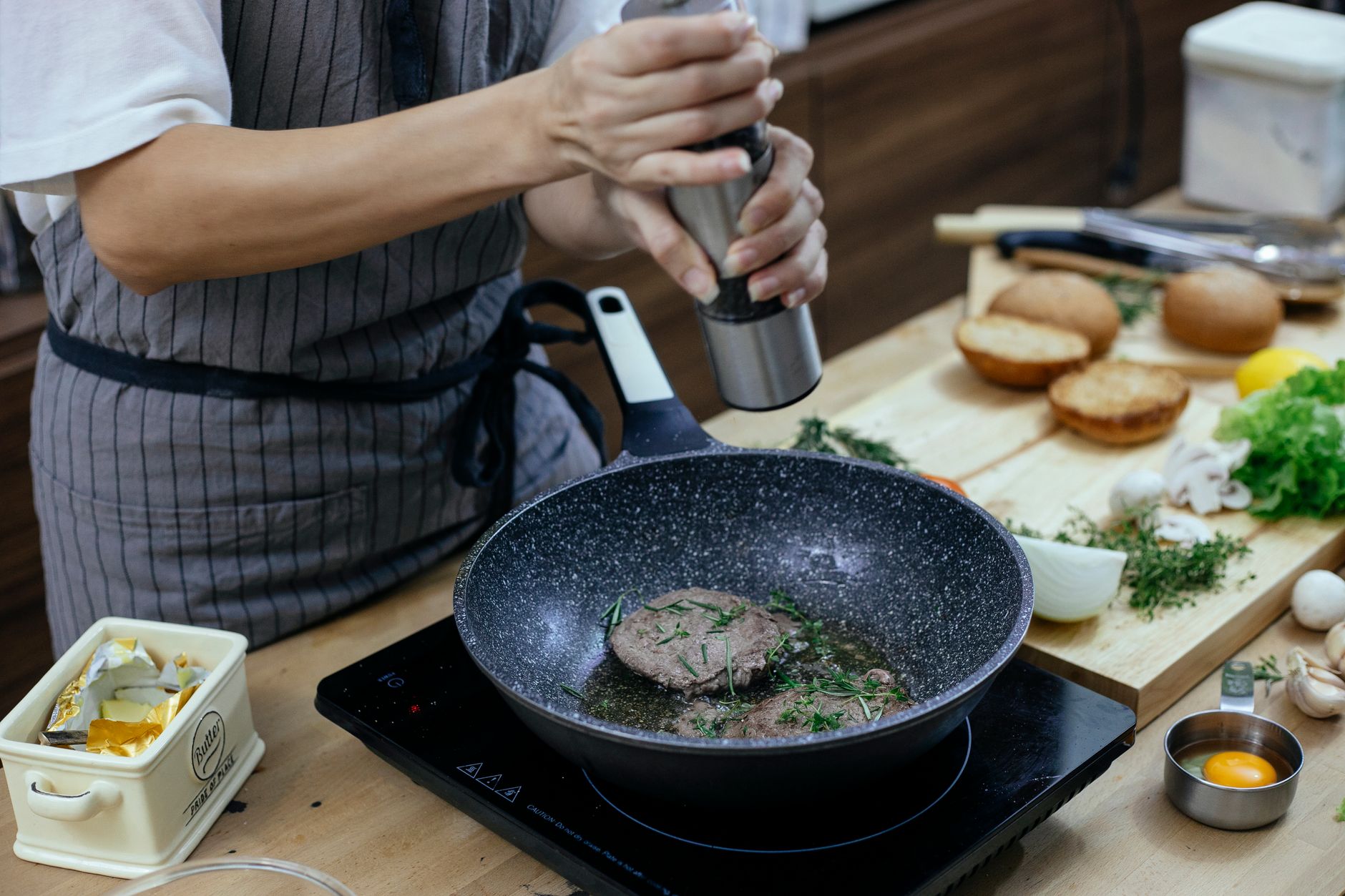
Veal is a tender and flavorful meat that has garnered a distinct place in culinary traditions around the world. Sourced primarily from young calves, veal offers a buttery texture and subtle taste that can elevate various dishes. Understanding veal, its uses, and how to prepare it can enhance your dining experience and provide exciting flavors for your meals.
This comprehensive guide will explore what veal is, its culinary applications, and practical serving ideas to help you incorporate it into your cooking repertoire.
What is Veal?
Veal is the meat of calf, specifically cattle that are generally less than 6 months old. The meat is prized for its delicate flavor and tender texture, which is the result of a diet mainly composed of milk and a minimal amount of grass. The type of veal can vary based on the calf’s diet and rearing conditions, leading to different flavor profiles and culinary uses.
Types of Veal
Veal comes in several varieties, each with its unique characteristics and culinary applications:
- Bob veal: This is the meat from very young calves, typically less than three weeks old. It is pale in color and has a mild flavor.
- Milk-fed veal: As the name implies, these calves are fed a diet rich in milk. The meat is tender, lightly pink, and has a distinctive creamy flavor.
- Grain-fed veal: These calves are fed a diet that includes grains, resulting in meat that is darker compared to milk-fed veal with a richer flavor.
- Pastured veal: This type comes from calves that are allowed to graze and forage, offering a more robust flavor profile due to the varied diet.
- Rosé veal: Often referred to as “ethical veal,” this term applies to calves raised with more natural diets and conditions, producing meat that is darker and more flavorful.
Nutritional Profile of Veal
Veal is a source of high-quality protein, essential nutrients, and vitamins. It contains:
- Protein: Veal is an excellent source of protein, supporting muscle growth and repair.
- Iron: Essential for transporting oxygen in the blood, veal contributes to overall health by preventing anemia.
- Vitamin B12: Vital for nerve health and energy production, veal is rich in this nutrient as well.
- Niacin: Aids in converting food into energy and plays an important role in skin and digestive health.
- Zinc: Crucial for immune function and wound healing, it’s another key nutrient found in veal.
Culinary Uses of Veal
Veal’s mild flavor and tenderness make it a versatile ingredient in many cuisines. Here are some popular dishes and cooking techniques that highlight the unique qualities of veal:
Cooking Techniques
Delicate veal often calls for gentle cooking methods to preserve its tender texture:
- Searing: This method adds a rich crust and enhances flavor. Use medium-high heat to quickly brown the meat.
- Braising: Cooking veal slowly in a flavorful liquid results in tender meat and can be paired with vegetables and herbs for enhancement.
- Grilling: Veal chops or ribeye are excellent for the grill. Be cautious to avoid overcooking.
- Roasting: Whole cuts like veal leg or rack can be roasted for a succulent main dish.
Popular Dishes Featuring Veal
- Veal Parmesan: Breaded cutlets topped with marinara sauce and melted cheese.
- Osso Buco: Braised veal shanks cooked with vegetables, broth, and white wine.
- Veal Scallopini: Thinly sliced veal cooked quickly and often served with a savory sauce.
- Veal Piccata: A classic Italian dish featuring sautéed veal cutlets in a lemon and caper sauce.
How to Select and Store Veal
Choosing high-quality veal ensures better flavor and texture. Here are some tips:
- Look for meat that is pink to light rose in color with minimal marbling. Avoid veal that appears too dark or has a strong odor.
- The texture should feel firm to the touch and not excessively soft or mushy.
- Buy veal from trusted sources or local farms that practice humane animal husbandry.
When storing veal:
- Fresh veal can be stored in the refrigerator for up to three days. For longer storage, freeze it, ensuring it is well-wrapped to prevent freezer burn.
- Thaw frozen veal in the refrigerator rather than at room temperature to ensure food safety.
Substituting Veal in Recipes
If veal isn’t available, there are several substitutes you can use, each bringing its unique flavor and texture to the dish:
- Pork: This is the closest substitute, providing a similar tenderness and taste, perfect for recipes like veal parmigiana or scaloppini.
- Chicken: Ideal for lighter dishes, chicken breast can replace veal in portions but will alter the flavor.
- Turkey: Ground turkey is suitable for recipes requiring ground veal, offering a similar lean profile.
- Beef: Though stronger in flavor, ground beef can substitute for veal in meatloaf or similar recipes.
Common Mistakes When Cooking Veal
Cooking veal requires some care to achieve perfect results. Avoid these common mistakes:
- Overcooking: Veal should be cooked just until it reaches the desired doneness to maintain tenderness.
- Inadequate seasoning: A light touch of salt and pepper can enhance the flavor, but don’t over-season it.
- Skipping rest times: Allow cooked veal to rest for a few minutes before cutting to retain juices.
Serving Ideas for Veal
Veal is an elegant yet approachable meat that pairs wonderfully with a variety of sides and sauces. Here are some serving ideas:
Pairing with Sides
- Roasted seasonal vegetables: Colorful and nutritious, these pair well with veal’s rich flavor.
- Creamy mashed potatoes: The smoothness complements the tender texture of veal dishes.
- Risotto: A flavorful option, risotto enhances the meal’s quality and sophistication.
- Fresh greens: A simple salad with vinaigrette can lighten the richness of veal dishes.
Complementary Sauces
Enhance your veal meals with these sauce ideas:
- Reduction sauces: Wine reductions, especially with mushrooms, add depth to veal.
- Herb sauces: Green sauces made with herbs like parsley or tarragon bring brightness to the dish.
- Creamy sauces: A mushroom or mustard cream sauce provides richness that pairs beautifully with veal.
Make-Ahead Veal Dishes
Many veal dishes can be prepared in advance for convenience:
- Osso Buco: This dish matures in flavor when made a day ahead, making it ideal for meal prepping.
- Veal Meatballs: Prepare these ahead of time and freeze them for easy weeknight meals.
- Stuffed Veal Rolls: These can be assembled beforehand and cooked when ready to serve.
Veal in Different Cuisines
Veal features prominently in a variety of regional cuisines worldwide:
- Italian: Dishes like Vitello Tonnato and Osso Buco exemplify the classic Italian use of veal.
- French: Dishes such as Blanquette de Veau showcase veal’s tender qualities in rich, creamy preparations.
- German: The traditional Wiener Schnitzel, a breaded and fried veal cutlet, is a beloved classic.
- Middle Eastern: Veal is used in various grilled kebabs and stews, often seasoned with spices and herbs.
Tips for Cooking Veal at Home
To make the most of cooking veal at home:
- Use a food thermometer to ensure proper doneness: Veal is best served medium-rare to medium, around 145°F to 160°F.
- Experiment with flavoring: Use different herbs and spices to complement the mild taste.
- Practice patience: Let the meat rest after cooking to retain its moisture and tenderness.
Conclusion
With its tender texture and delicate flavor, veal can elevate any dining experience—be it an elegant dinner party or a comforting family meal. Choose the right cut, enhance it with complementary flavors, and employ proper cooking techniques to enjoy this exquisite meat to its fullest potential.
If you’re looking for practical recipes or serving ideas, explore our veal piccata recipe and discover how to incorporate veal into your next meal.