
Lettuce is a staple in many diets worldwide, often celebrated for its crisp texture and versatility in salads, sandwiches, and wraps. However, there have been reports linking certain types of lettuce to foodborne illnesses, raising concerns among consumers. Understanding which varieties are implicated and how to handle them safely is crucial for preventing illness.
This article focuses on the types of lettuce that have been associated with sickness, the causes behind these health risks, and how to ensure safe consumption.
What Type of Lettuce Is Making People Sick?
Generally, romaine lettuce and iceberg lettuce are the most frequently linked to foodborne outbreaks. These occur primarily due to bacteria like E. coli and Salmonella, which can thrive in contaminated soil or water. Understanding your lettuce choices can help you minimize your risk of exposure.
Understanding the Risks Associated with Lettuce
The primary health risks associated with lettuce stem from contamination during various stages of the food supply chain, including farming, processing, and preparation. Bacteria can enter the lettuce lifecycle through contaminated soil, water, and handling. Risk factors include:
- Source of Water: Irrigation with contaminated water can lead to problems.
- Animal Contact: Animals roaming in or near fields where lettuce is grown can transmit pathogens.
- Processing Facilities: Contamination can occur at processing and packaging plants if proper hygiene practices aren’t followed.
- Improper Handling: Cross-contamination can occur in the kitchen if raw meat or poultry is prepared using the same cutting boards as lettuce.
Types of Lettuce Involved in Illness Outbreaks
Romaine Lettuce
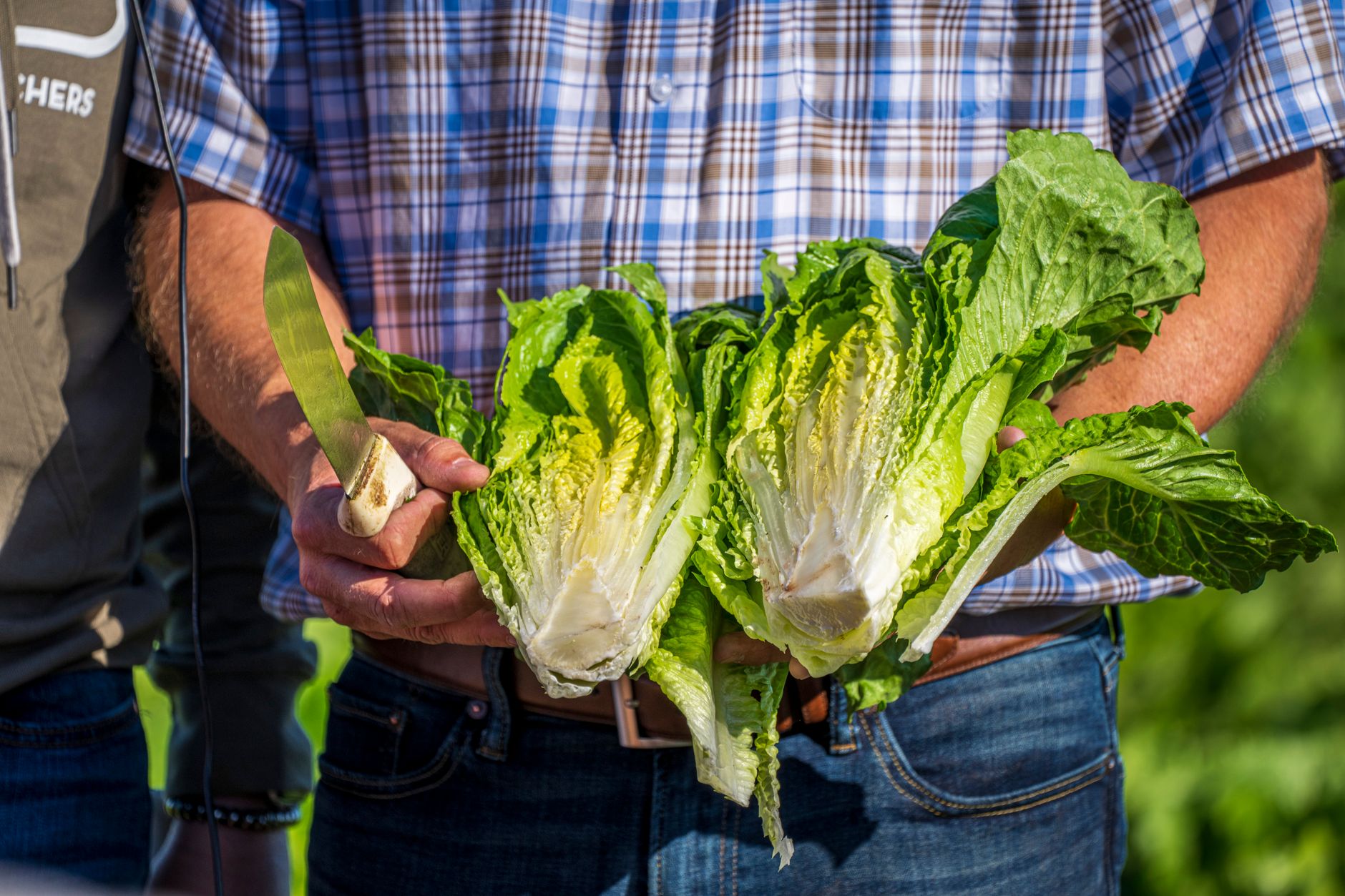
Romaine lettuce has been the most frequently cited source of foodborne illness outbreaks in recent years. Its broad leaves provide ample surfaces for bacteria to cling to, making it particularly susceptible to contamination.
Iceberg Lettuce
While traditionally considered safer, iceberg lettuce has also been linked to instances of contamination. Its dense, crisp leaves can sometimes mask the presence of pathogens that may exist on the surface.
Other Leafy Greens
While this article focuses on lettuce, it’s worth noting that other types of leafy greens such as spinach and kale can also harbor harmful bacteria. These greens can carry similar pathogens and should be handled with care.
How to Ensure Safe Lettuce Consumption
Ensuring the safe consumption of lettuce requires awareness and good practices at multiple stages—from shopping and washing to storage and preparation. Here’s a breakdown of best practices:
Shopping for Lettuce
- Check for freshness: Look for crisp, vibrant leaves without browning or wilting.
- Choose pre-packaged products if possible, as these often undergo more stringent testing.
- Avoid loose leaves in bins that could have been mishandled by multiple customers.
Washing and Preparing Lettuce
Washing lettuce can reduce but not entirely eliminate pathogens. Here’s how to wash lettuce properly:
- Start by washing your hands with soap and water.
- Remove any outer leaves that look damaged or wilted.
- Rinse the lettuce under cool running water, gently rubbing the leaves to dislodge dirt.
- For leafy greens like romaine, consider using a vegetable brush to scrub the leaves.
- Dry the lettuce with a clean towel or a salad spinner to remove excess moisture.
Storing Lettuce Safely
- Store lettuce in the refrigerator at temperatures below 40°F (4°C).
- Keep it in a clean crisper drawer or the original packaging to maintain moisture and freshness.
- Avoid washing and storing lettuce together before consumption, as moisture can promote bacterial growth.
Serving Suggestions and Handling
When serving lettuce, remember to keep food safety in mind:
- Use separate cutting boards for raw meat and produce.
- Ensure any utensils you use for salad preparation are clean and sanitized.
- If you’re unsure about the freshness of the lettuce, consider cooking it as heating can kill harmful bacteria.
Recognizing Symptoms of Lettuce-Related Illness
Being able to identify the symptoms of a foodborne illness can be crucial for timely treatment. Common symptoms include:
- Nausea
- Vomiting
- Diarrhea (which may be bloody)
- Abdominal cramps
- Fever
If you experience these symptoms after consuming lettuce, it’s vital to consult a healthcare professional, especially if symptoms persist.
Recent Lettuce Contamination Outbreaks
Several outbreaks tied to lettuce have made headlines in recent years. Understanding these can provide context on which to remain vigilant:
2018 Romaine Lettuce Outbreak
A significant E. coli outbreak in late 2018 was linked to romaine lettuce harvested from the Yuma region, resulting in numerous illnesses and even fatalities. This prompted widespread recalls and warnings.
2019 Lettuce Warning
In 2019, another advisory was issued for romaine following reports of E. coli contamination affecting several states. This outbreak led to further scrutiny and recommendations for consumers to avoid romaine until more information was provided.
Staying Informed about Food Safety
Staying up to date on food safety alerts regarding lettuce and other products is essential. Here are some ways to remain informed:
- Follow government health organizations such as the CDC and FDA, which regularly post updates about foodborne illness outbreaks.
- Check for recall notices from food manufacturers and retailers.
- Utilize social media and food safety apps that track outbreaks in real-time.
What Can You Do If You Feel Sick?
If you suspect that you’ve consumed contaminated lettuce and are experiencing symptoms, it’s essential to take the following measures:
- Stay hydrated; drink plenty of fluids.
- Monitor your symptoms closely, seeking medical attention if necessary.
- Keep track of what you’ve eaten and when you consumed it to assist healthcare professionals with diagnosis.
Final Thoughts
While lettuce is a key ingredient in many delicious dishes, the health risks associated with some types remind us of the importance of safe practices in handling and consuming food. By understanding the types of lettuce that have been linked to illness, along with implementing proper washing, storage, and preparation techniques, you can enjoy lettuce salads, sandwiches, and wraps with confidence.
Explore more about food safety and possibly related recipes such as wilted lettuce or festive dishes like Thanksgiving slaw to broaden your culinary repertoire while keeping health at the forefront.