
Settling an upset stomach can be a challenge, but choosing the right foods can make a world of difference. Many people experience digestive discomfort due to various factors, including stress, food choices, or underlying health issues. Understanding what to eat to settle your stomach can help ease these symptoms and promote better digestion.
This article will explore various foods that are gentle on the stomach and effective in reducing discomfort. We’ll discuss recommended ingredients, preparation methods, and meal ideas to help soothe your stomach whenever you need it.
What to Eat to Settle Your Stomach?
The best foods for settling your stomach are those that are easy to digest, low in fat, and non-irritating. Common options include bananas, rice, applesauce, toast (often referred to as the BRAT diet), ginger, and herbal teas. Foods high in fiber and probiotics may also aid in digestion.
Foods That Soothe an Upset Stomach
1. BRAT Diet
The BRAT diet consists of bananas, rice, applesauce, and toast. These foods are bland and low in fiber, making them easy to digest while providing essential carbohydrates.
- Bananas: High in potassium and easy on the stomach, bananas can help restore lost electrolytes.
- Rice: Plain white rice is low in fiber and helps bind stool, making it ideal for diarrhea.
- Applesauce: Offers pectin, which can aid in settling the stomach.
- Toast: Opt for plain white toast to avoid excess fiber and fat. It can help absorb stomach acids.
2. Ginger
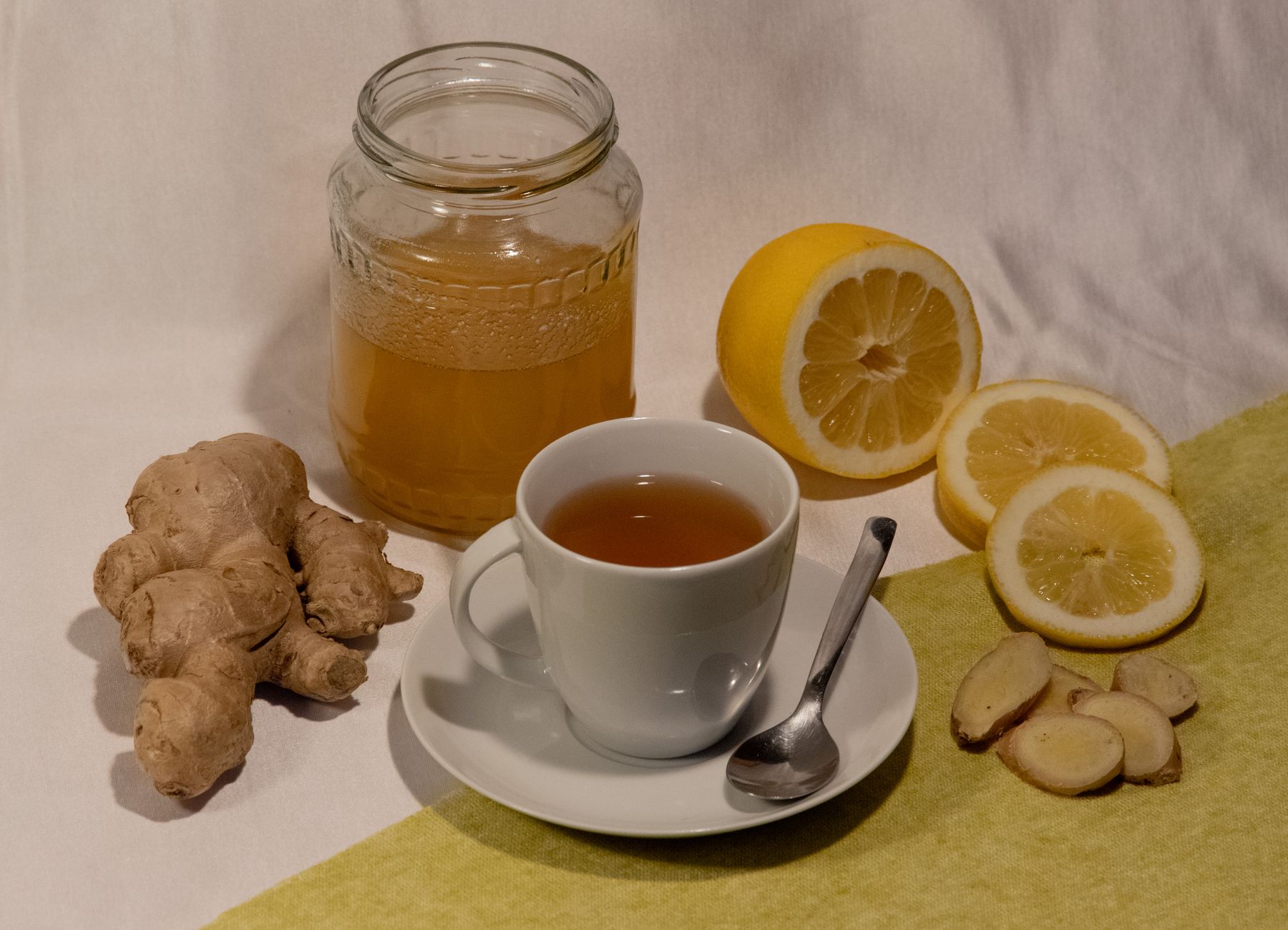
Ginger is well-known for its anti-nausea properties. It can help reduce inflammation and support digestion. Incorporating ginger into your diet can be simple:
- Ginger Tea: Boil fresh ginger slices in water and enjoy as a soothing tea.
- Ginger Ale: Opt for brands made with real ginger and limited sugar.
- Ginger Candy: Chewy ginger candies can also be a convenient way to settle your stomach.
3. Herbal Teas
Herbal teas can be calming and may help relieve stomach discomfort. Consider the following options:
- Peppermint Tea: Peppermint has been shown to relax the muscles of the digestive tract.
- Chamomile Tea: Known for its anti-inflammatory properties, chamomile tea can help soothe an upset stomach.
- Fennel Tea: This can help relieve bloating and gas.
4. Probiotic-Rich Foods
Probiotics promote healthy gut bacteria, which can improve digestion and gut health. Foods rich in probiotics include:
- Yogurt: Opt for plain, low-fat yogurt with active cultures.
- Kefir: This fermented milk drink contains more probiotics than yogurt.
- Fermented Vegetables: Sauerkraut and kimchi can add beneficial bacteria to your diet.
5. Plain Crackers and Pretzels
These snack options are low in fat and easy to digest. They can help absorb stomach acid and provide some relief from nausea. Look for unsalted varieties to avoid exacerbating any discomfort.
6. Cooked Vegetables
Steamed or boiled vegetables, such as carrots, zucchini, and spinach, can be gentle on the stomach and provide essential nutrients without the fiber overload. Be sure to avoid raw vegetables, as they can be harder to digest.
7. Lean Proteins
Incorporating lean protein sources can provide energy without being too heavy:
- Skinless Chicken or Turkey: Cooked with minimal seasoning helps prevent irritation.
- Eggs: Scrambled or poached eggs are highly digestible protein sources.
- Fish: Soft, flaky fish like cod or tilapia can be gentle on the stomach.
8. Oatmeal
Oatmeal, particularly when cooked until soft, is a comforting option that’s gentle on the stomach. It can be flavored with a bit of honey or cinnamon for added taste without being harsh on the digestive system.
Meal Ideas for Settling Your Stomach
Breakfast Options
- Oatmeal with Banana: Cook oats in water and top with sliced bananas for a nutritious start to the day.
- Scrambled Eggs with Toast: Lightly scramble eggs and serve with plain toast for a simple breakfast.
- Yogurt Parfait: Layer plain yogurt with applesauce and a sprinkle of ginger for added flavor.
Lunch Ideas
- Chicken and Rice Soup: Combine cooked chicken, plain rice, and a light broth for a soothing soup.
- Ginger Tea and Crackers: Brew a cup of ginger tea and enjoy with plain crackers or pretzels.
- Steamed Vegetables with Fish: Lightly steam vegetables and serve alongside grilled or baked fish.
Dinner Suggestions
- Baked Sweet Potato: Bake a sweet potato and enjoy with a sprinkle of salt.
- Vegetable Broth Stew: Simmer soft vegetables in vegetable broth for a comforting stew.
- Stir-Fried Chicken with Broccoli: Cook chicken and broccoli in a non-stick pan with minimal seasoning.
Practical Tips for Settling Your Stomach
Mindful Eating
Eating slowly and mindfully can considerably enhance digestion. Take the time to chew food thoroughly and avoid rushing meals to help prevent discomfort.
Stay Hydrated
Staying hydrated is crucial for digestion. Drink plenty of water and herbal teas, but avoid highly caffeinated or carbonated beverages which may irritate your stomach.
Smaller, Frequent Meals
Instead of consuming three large meals, try eating smaller meals throughout the day. This may help ease digestive stress and allow your stomach to process food more efficiently.
Avoid Trigger Foods
Identifying and avoiding foods that irritate your stomach is essential. Common culprits include spicy foods, fatty meals, caffeine, and processed snacks.
Foods to Avoid When Your Stomach is Upset
When experiencing stomach discomfort, certain foods should be avoided to prevent exacerbating the situation:
- Fatty Foods: Foods high in fat, such as fried foods, can increase nausea and discomfort.
- Spicy Foods: Spices and hot seasonings may cause irritation and exacerbate symptoms.
- Caffeinated Beverages: Caffeine can stimulate the stomach lining and lead to the production of excess stomach acid.
- Alcohol: Alcohol can irritate the stomach lining and worsen symptoms, especially when consumed on an empty stomach.
- Dairy Products: Some individuals may experience difficulty digesting lactose during stomach discomfort.
Common Mistakes to Avoid
Understanding common mistakes can help improve your digestion and overall comfort:
- Eating Hard-to-Digest Foods: Heavy, greasy meals can worsen stomach issues.
- Ignoring Hydration: Failing to drink enough water can lead to further complications.
- Overeating: Eating large meals can overwhelm an upset stomach, causing further discomfort.
Storing and Preparing Foods for Digestive Comfort
Proper storage and preparation of foods can contribute to a more comfortable stomach experience.
- Storage: Always refrigerate perishable items promptly and utilize airtight containers to ensure food safety.
- Preparation: Opt for methods such as steaming, boiling, or baking to keep foods gentle on the stomach.
Next Steps for Comfort and Care
After identifying what to eat to settle your stomach and exploring the above options, it’s essential to listen to your body. If symptoms persist, consider consulting a healthcare professional for tailored advice.
Try implementing some of the suggested meal ideas or sipping on ginger tea to see if that brings relief. If you’ve experienced nausea or vomiting, explore what to eat after vomiting for further guidance. Additionally, if you’re looking for something nutritious, check out the chia pudding recipe with coconut milk for a gentle and satisfying treat.