
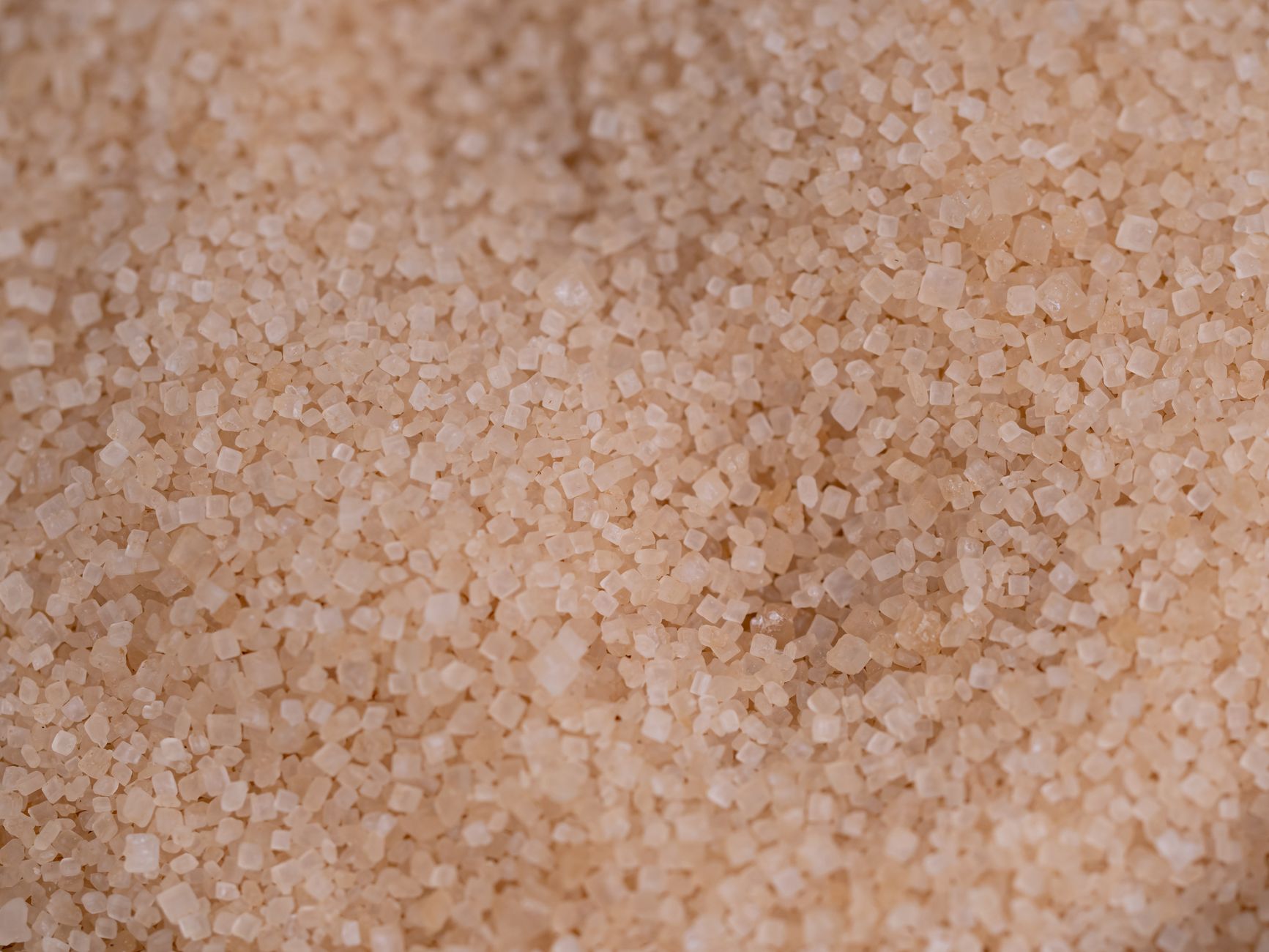
Sucanat, short for “sugar cane natural,” is an unrefined sugar made from whole sugar cane juice, preserving the natural molasses content. This gives it a rich flavor profile compared to refined sugars. In recent years, sucanat has gained popularity as a healthier alternative for sweetening beverages and dishes, particularly among health-conscious consumers seeking unprocessed ingredients.
The unique taste and texture of sucanat make it a versatile ingredient in various culinary applications. Understanding what sucanat is, its flavor characteristics, and how to use it effectively can elevate your cooking and baking. This guide will explore the composition of sucanat, its distinct taste, and practical serving suggestions.
What Is Sucanat?
Sucanat is a natural sweetener made from sugar cane, retaining the sugar cane’s molasses flavor. Unlike refined sugars, which undergo extensive processing and refinement, sucanat is produced by evaporating sugar cane juice to form granules. This method helps to keep the sugar’s essential nutrients, including minerals like calcium, potassium, and magnesium, intact.
Ingredients of Sucanat
The primary ingredient in sucanat is pure sugar cane juice. The production process involves the following steps:
- Harvesting: Sugar cane is harvested and pressed to extract the juice.
- Evaporation: The juice is then heated to evaporate water, concentrating the sweetness.
- Separation: Molasses is retained, giving sucanat its characteristic flavor and color.
- Granulation: The resultant thick syrup is crystallized and dried before being ground into granules.
The result is a product that maintains the natural integrity of sugar cane, offering both flavor and nutritional benefits without the additives found in many refined sugars.
Flavor Profile of Sucanat
Sucanat boasts a distinct flavor that sets it apart from white or brown sugar. Its taste is often described as:
- Rich: With its molasses content, sucanat has a deeper, more complex flavor than refined sugars.
- Sweet: While it remains a sugar, the inherent notes of caramel enhance its sweetness.
- Earthy: The natural processing leads to a subtle earthy quality, making it suitable for rich dishes.
This unique flavor makes sucanat an excellent sweetener for both sweet and savory applications, appealing to those looking for a more rounded taste in their food.
How to Serve Sucanat
There are a multitude of ways to incorporate sucanat into your cooking and baking. Here are several practical applications:
Baking
Sucanat can be used in place of granulated sugar in many baking recipes. Due to its moisture content, consider reducing the liquid ingredients slightly. Here’s how to effectively use sucanat in baking:
- Measurement: When substituting, use a 1:1 ratio. However, because of its stronger flavor, you might choose to start with a little less than the recipe calls for.
- Texture Considerations: Over time, you may notice a difference in color and texture, as sucanat can add a darker hue and a slightly denser crumb in baked goods.
- Complementary Flavors: Its caramel and molasses notes work particularly well with spices such as cinnamon or ginger, making it ideal for cookies, muffins, and cakes.
Cooking
Sucanat is also a wonderful addition to savory dishes. Here’s how to use it:
- Glazes and Sauces: Use sucanat in marinades or glazes for meats, where its rich sweetness can help balance flavors.
- Stir-Fry and Curries: A spoonful of sucanat can enhance the depth of flavor in stir-fried vegetables or curries.
- Soups and Stews: Adding a pinch can help to mellow acidity in tomato-based soups or stews.
Sweetening Beverages
Sucanat can be used to sweeten drinks such as:
- Coffee and tea, where it adds a touch of depth.
- Homemade smoothies, providing natural sweetness without overpowering the other ingredients.
- Cocktails, where its unique flavor can enhance the drink’s profile.
More Ways to Use Sucanat
Aside from baking, cooking, and beverage preparation, consider these additional applications:
- Breakfast Foods: Sprinkle sucanat over oatmeal or yogurt for natural sweetness and additional flavor.
- Desserts: Use sucanat in desserts like rice pudding or fruit compote, where its flavor can shine.
- Sauces and Dips: Incorporate it into dips like hummus or sauces to introduce a sweet element.
Substitutions for Sucanat
If sucanat is not available, or you’re looking for alternatives, here are some suitable substitutions:
- Brown Sugar: This is a close alternative, retaining some moisture and flavor, making it ideal for baking. Use a 1:1 ratio.
- Raw Sugar (Turbinado): While similar, it is less flavorful than sucanat but offers a similar texture. Again, use a 1:1 ratio.
- Coconut Sugar: This is another alternative with a caramel flavor, but it’s less sweet. You might want to use slightly more than the amount of sucanat called for.
Common Mistakes When Using Sucanat
Utilizing sucanat can be straightforward, but there are some common pitfalls to avoid:
- Over-measuring: Sucanat is sweeter than refined sugar, so start with less than the recipe calls for and adjust to taste.
- Ignoring Moisture Content: The additional moisture in sucanat can affect your recipe’s consistency. Reducing other liquids may be necessary.
- Assuming Flavor Equivalence: The richer flavor of sucanat might unexpectedly alter the taste profile of your dish, particularly if you are making a delicate dessert.
Storage and Shelf Life of Sucanat
When properly stored, sucanat can maintain its quality for an extended period. Here are some guidelines:
- Container: Store sucanat in an airtight container to prevent moisture absorption and clumping.
- Location: Keep the container in a cool, dry place away from direct sunlight.
- Shelf Life: While sucanat can last for months, it’s best to use it within a year for optimal flavor.
Conclusion
Sucanat presents a delightful, flavorful alternative to standard refined sugar. Its distinct taste and the benefits of unrefined sugar make it a worthy ingredient in your pantry. Whether you’re using it in baking, cooking, or sweetening your favorite beverages, sucanat can enhance the flavors of your dishes while providing a more natural sweetness.
Explore its versatility in your recipes, and consider trying sucanat in your next baking project, savory dish, or beverage. For more sweetening ideas, visit articles about what molasses is made from or check out a date syrup recipe that offers a unique perspective on natural sweeteners.