
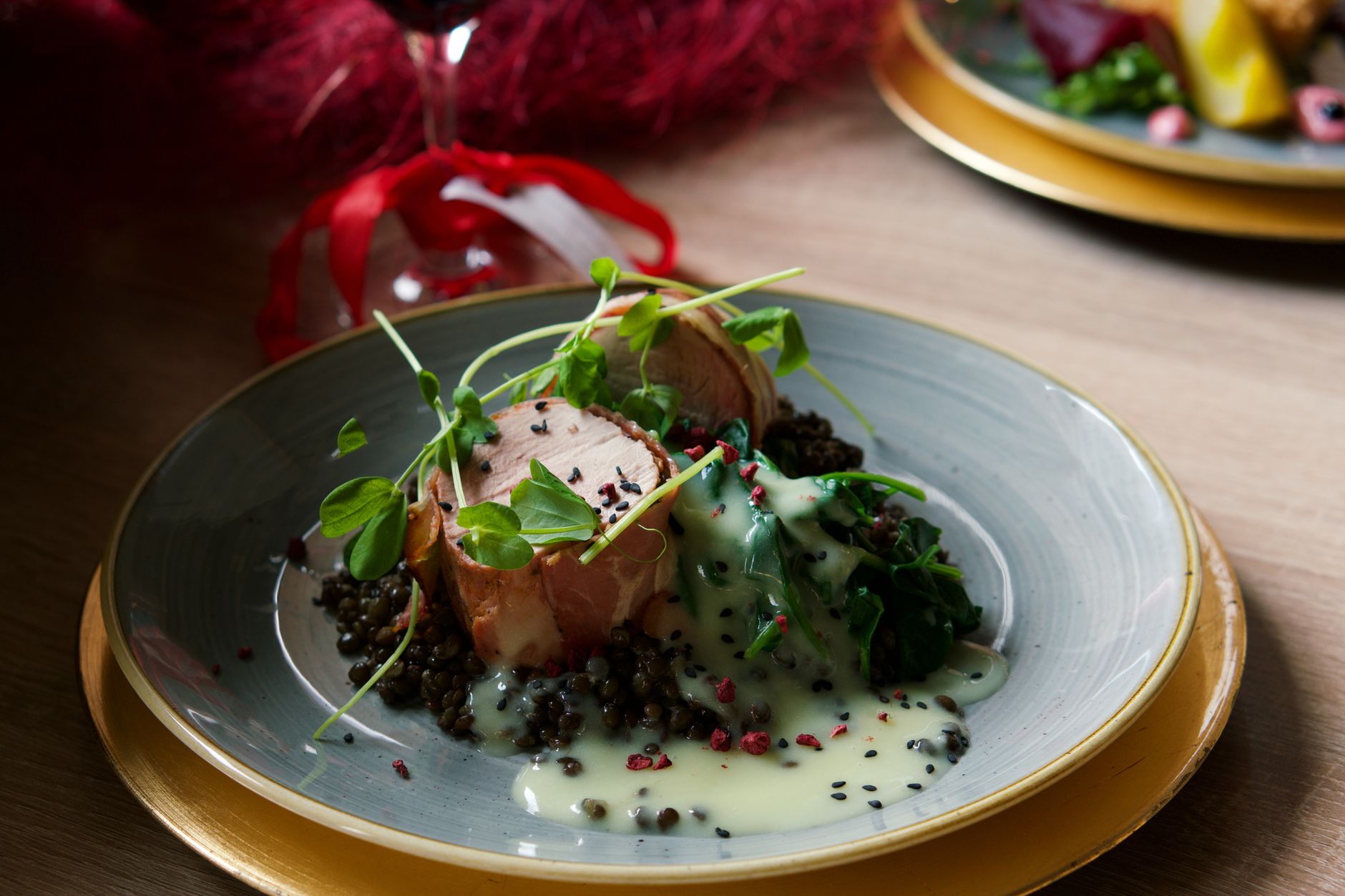
Iron is an essential mineral that plays a vital role in our overall health, particularly in the production of red blood cells. Whether you are looking to boost your energy levels, support immune function, or maintain healthy muscle activity, incorporating iron-rich foods into your diet is crucial. This article explores what to eat to get iron, providing you with insights into sources, serving sizes, and tips for maximizing iron absorption.
We will cover two main types of iron: heme and non-heme. Heme iron, found in animal products, is more readily absorbed by the body, while non-heme iron is found in plant-based sources. Understanding these differences will help you make better dietary choices based on your lifestyle, dietary preferences, and individual needs.
What to Eat to Get Iron?
To effectively increase your iron intake, focus on both heme and non-heme sources. Heme iron sources include meats, fish, and poultry, while non-heme sources encompass legumes, leafy greens, nuts, seeds, and fortified foods. Aim to incorporate a variety of these foods into your daily meals for optimal iron levels.
Heme Iron Sources
Heme iron is found in animal-based products and is absorbed more efficiently by the body compared to non-heme iron. Below are some excellent sources of heme iron:
- Red Meat: Beef, lamb, and pork are rich in heme iron. A 3-ounce serving of beef contains about 2.1 mg of iron.
- Poultry: Chicken and turkey, especially dark meat, are good sources. A 3-ounce serving of cooked chicken can contain about 1.1 mg of iron.
- Fish and Seafood: Tuna, salmon, and shellfish like clams and oysters are high in iron. A 3-ounce serving of cooked clams provides a substantial 23.8 mg of iron.
- Liver: Organ meats, particularly beef or chicken liver, are extremely high in iron. A 3-ounce serving of beef liver boasts around 5.8 mg of iron.
Serving Sizes for Heme Iron Sources
Understanding the appropriate serving sizes helps in planning meals. Here are recommended serving sizes for optimal iron intake:
- Beef: 3 ounces cooked, 2-3 times per week
- Poultry: 3 ounces cooked, 2-3 times per week
- Fish: 3 ounces cooked, 1-2 times per week
- Liver: 3 ounces cooked, once a month due to high vitamin A content
Non-Heme Iron Sources
Non-heme iron comes from plant-based foods and is less efficiently absorbed than heme iron. However, these sources are still vital, especially for vegetarians and vegans. Here are some excellent non-heme iron sources:
- Legumes: Lentils, chickpeas, and beans (like kidney and black beans) are fantastic sources. One cup of cooked lentils provides about 6.6 mg of iron.
- Tofu and Tempeh: Soy products offer a good amount of iron. A 3.5-ounce serving of tofu can have about 5.4 mg of iron.
- Dark Leafy Greens: Spinach, kale, and collard greens are nutritious and iron-rich. One cup of cooked spinach contains approximately 6.4 mg of iron.
- Nuts and Seeds: Pumpkin seeds, sesame seeds, and cashews are great options. A 1-ounce serving of pumpkin seeds yields around 2.5 mg of iron.
- Fortified Foods: Many cereals, grains, and bread are fortified with iron. Check the labels as they can vary significantly.
Serving Sizes for Non-Heme Iron Sources
Incorporate these non-heme sources into your meals for an iron boost:
- Lentils: 1 cup cooked, 3-4 times per week
- Chickpeas: 1 cup cooked, 2-3 times per week
- Spinach: 1 cup cooked, 2-3 times per week
- Pumpkin seeds: 1 ounce as a snack or in salads, several times a week
Tips for Maximizing Iron Absorption
Simply eating iron-rich foods isn’t enough; how you combine these foods can impact absorption. Here are practical tips to maximize your iron intake:
- Pair with Vitamin C: Consuming vitamin C-rich foods like citrus fruits, strawberries, or bell peppers alongside iron-rich meals can enhance non-heme iron absorption.
- Avoid Certain Beverages: Limit coffee and tea consumption during meals, as tannins can hinder iron absorption. Opt for water or juices instead.
- Cook with Cast Iron: Cooking acidic foods in cast iron cookware can increase the iron content of your food.
- Be Mindful of Calcium Intake: Calcium can interfere with iron absorption. Consider timing calcium-rich foods (like dairy) apart from iron-rich meals.
Iron Deficiency: Understanding the Implications
Iron deficiency can lead to various health issues, including anemia. Recognizing symptoms early can help in addressing inadequate iron intake. Common signs of iron deficiency include:
- Fatigue and weakness
- Pale skin
- Dizziness or lightheadedness
- Cold hands and feet
- Brittle nails and hair loss
If you suspect an iron deficiency, it’s advisable to consult a healthcare provider for proper diagnosis and treatment.
Iron-Rich Meal Ideas
Incorporating iron-rich foods into your daily meals is straightforward. Here are some meal ideas to help you get started:
Breakfast Ideas
- Spinach and mushroom omelet with a side of fortified cereal topped with strawberries.
- Overnight oats made with almond milk, topped with pumpkin seeds and orange segments.
- Tofu scramble with mixed vegetables and a glass of fresh orange juice.
Lunch Ideas
- Quinoa salad with chickpeas, bell peppers, and a lemon vinaigrette.
- Grilled chicken or turkey sandwich on whole-grain bread with spinach and tomato.
- Black bean and sweet potato tacos with avocado and salsa.
Dinner Ideas
- Beef stir-fry with broccoli and bell peppers served over brown rice.
- Baked salmon with kale and quinoa on the side.
- Lentil soup with carrots and celery, paired with whole-grain bread.
Snack Ideas
- Trail mix made with mixed nuts and dried fruits.
- Sliced apple with almond butter.
- Pumpkin seeds or sunflower seeds as a quick snack.
Common Mistakes to Avoid
When planning your iron-rich meals, certain mistakes can lead to inadequate iron intake. Here’s what to watch out for:
- Focusing Solely on Meat: While meat is a great source of heme iron, neglecting plant-based sources can limit overall intake.
- Ignoring Vitamin C: Not pairing non-heme sources with vitamin C can hinder absorption.
- Not Varying Iron Sources: Sticking to a limited selection can lead to nutrient deficiencies.
Storage and Cooking Strategies
Proper storage and cooking methods can help retain the iron content of foods:
- Store Whole Grains Properly: Keep whole grains like quinoa, brown rice, and oats in airtight containers, away from light, to preserve nutrients.
- Cook Dark Leafy Greens Quickly: Steam or sauté greens to retain their nutrients. Overcooking can lead to nutrient loss.
- Reuse Cooked Lentils: Cook a large batch of lentils and use them throughout the week to save time.
Remember to always wash fresh produce thoroughly and use caution with raw meats to prevent cross-contamination.
Conclusion: Elevate Your Iron Intake
Incorporating a variety of both heme and non-heme sources into your meals can greatly enhance your iron intake. Combine these foods wisely and consider factors that can boost absorption. If you suspect iron deficiency, consult with a healthcare provider for tailored advice.
For more insights into iron-rich foods, explore what has iron or learn about how much protein in spinach. Eating well is a significant step towards maintaining your health and well-being.