
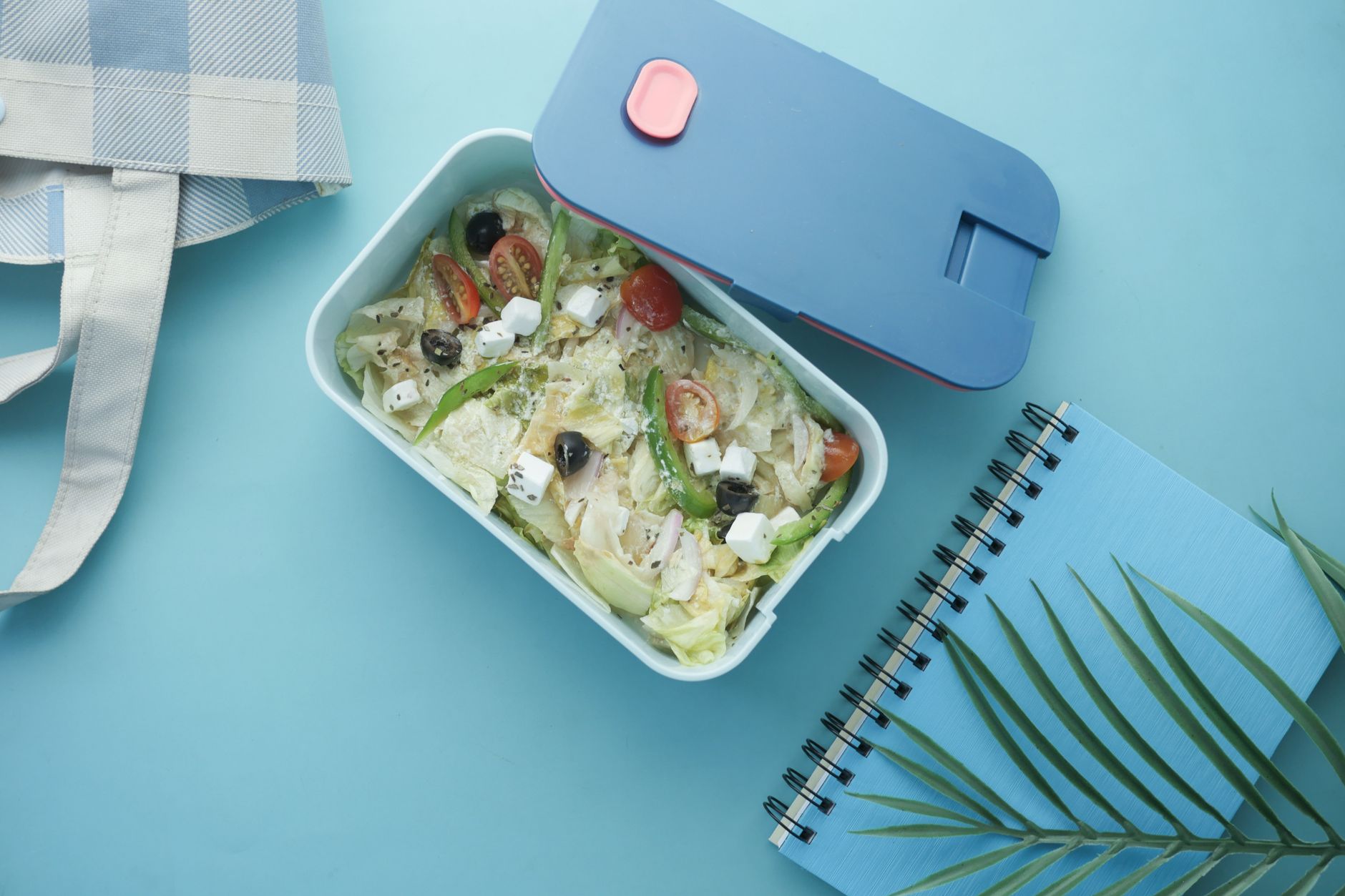
Intermittent fasting has become a popular approach to eating for many seeking to manage weight and health better. The key to a successful fasting experience lies not only in when you eat but also in what you eat during your eating windows. The selection of food can significantly influence energy levels, hunger control, and overall satisfaction.
In this article, we will explore what to eat during intermittent fasting, focusing on nutrient-dense foods that can help maximize the benefits of your fasting routine. We’ll cover options for meals and snacks, and provide tips for meal planning to support your fasting journey.
What to Eat During Intermittent Fasting?
During intermittent fasting, it’s crucial to select foods that provide the right nutrients your body needs to sustain energy and concentration levels. Foods high in fiber, protein, healthy fats, and essential vitamins will help keep you full longer and enhance your overall experience.
Key Nutritional Components for Your Eating Window
Understanding the essential nutrition elements will help guide your food choices during intermittent fasting. Here are the key components to consider:
1. Protein
Protein is vital for muscle repair, satiety, and maintaining a healthy metabolism. Including protein-rich foods in your meals can help you curb cravings and sustain energy. Aim for lean protein sources such as:
- Chicken breast
- Turkey
- Fish (salmon, tuna, sardines)
- Legumes (beans, lentils)
- Greek yogurt
- Eggs
2. Healthy Fats
Incorporating healthy fats in your meals helps keep you satisfied longer. They also provide essential fatty acids necessary for brain health and hormone regulation. Consider these sources of healthy fats:
- Avocados
- Nuts (almonds, walnuts, pistachios)
- Seeds (chia seeds, flaxseeds, pumpkin seeds)
- Olive oil
- Coconut oil
- Fatty fish (rich in omega-3s)
3. High-Fiber Foods
Fiber plays a vital role in digestion and can help you feel full. Incorporate high-fiber foods into your meals, focusing on fruits, vegetables, whole grains, and legumes. Good options include:
- Leafy greens (spinach, kale, arugula)
- Broccoli
- Quinoa
- Brown rice
- Berries (raspberries, blackberries, blueberries)
- Oats
4. Hydration
Staying hydrated is crucial during intermittent fasting. Drinking plenty of water helps curb hunger and supports metabolic functions. Options for hydration include:
- Water (plain or infused with fruits)
- Herbal teas
- Black coffee (without sugar or cream)
- Bone broth
Sample Meal Ideas for Intermittent Fasting
Now that we understand the components of a well-rounded diet during intermittent fasting, let’s look at some meal ideas you can include in your eating window.
Breakfast Options
- Greek Yogurt Parfait: Layer Greek yogurt with mixed berries, a drizzle of honey, and a sprinkle of granola.
- Veggie Omelet: Whisk eggs and add spinach, tomatoes, and cheese. Cook until firm and serve with avocado.
- Chia Seed Pudding: Mix chia seeds with almond milk and let it sit overnight. Top with sliced bananas and a drizzle of maple syrup.
Lunch Choices
- Quinoa Salad: Combine cooked quinoa, chickpeas, cucumber, cherry tomatoes, red onion, and feta cheese. Dress with olive oil and lemon juice.
- Grilled Chicken and Vegetable Bowl: Serve grilled chicken breast over a bed of mixed greens, topped with roasted vegetables and a tahini dressing.
- Whole Grain Wrap: Wrap turkey, spinach, hummus, and bell peppers in a whole-grain tortilla for a fulfilling lunch.
Dinner Ideas
- Baked Salmon: Bake salmon fillets with herbs and lemon. Serve with steamed broccoli and quinoa.
- Lentil Stir-Fry: Stir-fry lentils with bell peppers, snap peas, and carrots. Serve over brown rice.
- Stuffed Peppers: Fill bell peppers with a mixture of ground turkey, black beans, corn, salsa, and quinoa, then bake until the peppers are tender.
Snacks
- Apple slices with almond butter
- Carrot sticks with hummus
- Nuts and seeds mix
- Rice cakes topped with avocado
- Dark chocolate (in moderation)
Meal Planning Tips for Intermittent Fasting
To make the most out of intermittent fasting, strategic meal planning is essential. Here are some practical tips:
1. Plan Your Meals
Spend some time each week planning your meals. Decide which recipes you’ll try and prepare a shopping list based on that plan. This way, you’ll have healthy options ready, reducing the temptation to opt for less nutritious foods.
2. Prepare Meals in Advance
Batch cooking can save you time and ensure you have healthy meals available during your eating window. Prepare larger quantities of recipes so you can refrigerate or freeze portions for future consumption.
3. Keep Healthy Snacks Handy
Snacks like fruits, nuts, or yogurt can help you manage hunger between meals. Keeping these options accessible makes it easier to stick to your plan without reaching for unhealthy alternatives.
4. Stay Adaptable
While it’s good to plan, life can be unpredictable. Be open to mixing and matching meals based on what you have on hand or what you’re in the mood for. Flexibility will keep you motivated and joyful in your eating routine.
Common Mistakes to Avoid
During intermittent fasting, several common pitfalls can hinder your progress. Here are a few to watch for:
1. Overeating
It’s easy to overindulge during your eating window, thinking you can eat whatever you want after fasting. This approach may lead to unhealthy food choices. Focus on balance and moderation instead.
2. Neglecting Nutrients
A diet solely based on carbohydrates or sugars will leave you feeling drained. Ensure you include a variety of food groups to meet your nutrient needs.
3. Skipping Water
Hydration is often overlooked. It’s important to drink enough water, even during the eating window to support overall health and appetite control.
4. Ignoring Hunger Signals
While you may experience some hunger during fasting, be mindful of your body’s signals during your eating period. Eating when you are truly hungry can help you maintain a healthy relationship with food.
Food Storage and Reheating Tips
Proper storage and reheating of meals can make your intermittent fasting journey easier and more enjoyable. Follow these tips:
1. Store Meals Appropriately
Use airtight containers to store meals. Label them with the date prepared and consume them within a safe time frame. Most cooked meals can be stored in the refrigerator for up to four days or frozen for later use.
2. Reheat Carefully
When reheating, ensure food reaches a safe temperature of at least 165°F (74°C). Use the microwave, oven, or stovetop, depending on the dish, to avoid overcooking or drying out your food.
3. Cool Food Before Storing
Allow cooked food to cool before placing it in the refrigerator or freezer. This method prevents condensation and keeps food fresh.
What to Drink During Intermittent Fasting
Staying hydrated is key. While intermittent fasting, consider these suitable beverages:
- Water (carbonated or still)
- Caffeinated drinks (coffee or tea without additives)
- Herbal teas
- Infused water (with fruits, herbs, or vegetables)
Avoid sugary drinks and juices that can break your fast and lead to cravings. Additionally, be cautious with high-calorie beverages, which can also derail your efforts.
Conclusion
Eating well during intermittent fasting can make a substantial difference in your overall experience. By focusing on nutrient-dense foods and preparing meals thoughtfully, you can enhance your fasting journey. Aim for a balanced diet rich in protein, healthy fats, and fiber, and remember to stay hydrated.
For further exploration, check out these resources: learn about the benefits of chia seeds, and try a delicious chia pudding recipe. Embracing these healthy practices will help you succeed in intermittent fasting while enjoying your meals.