
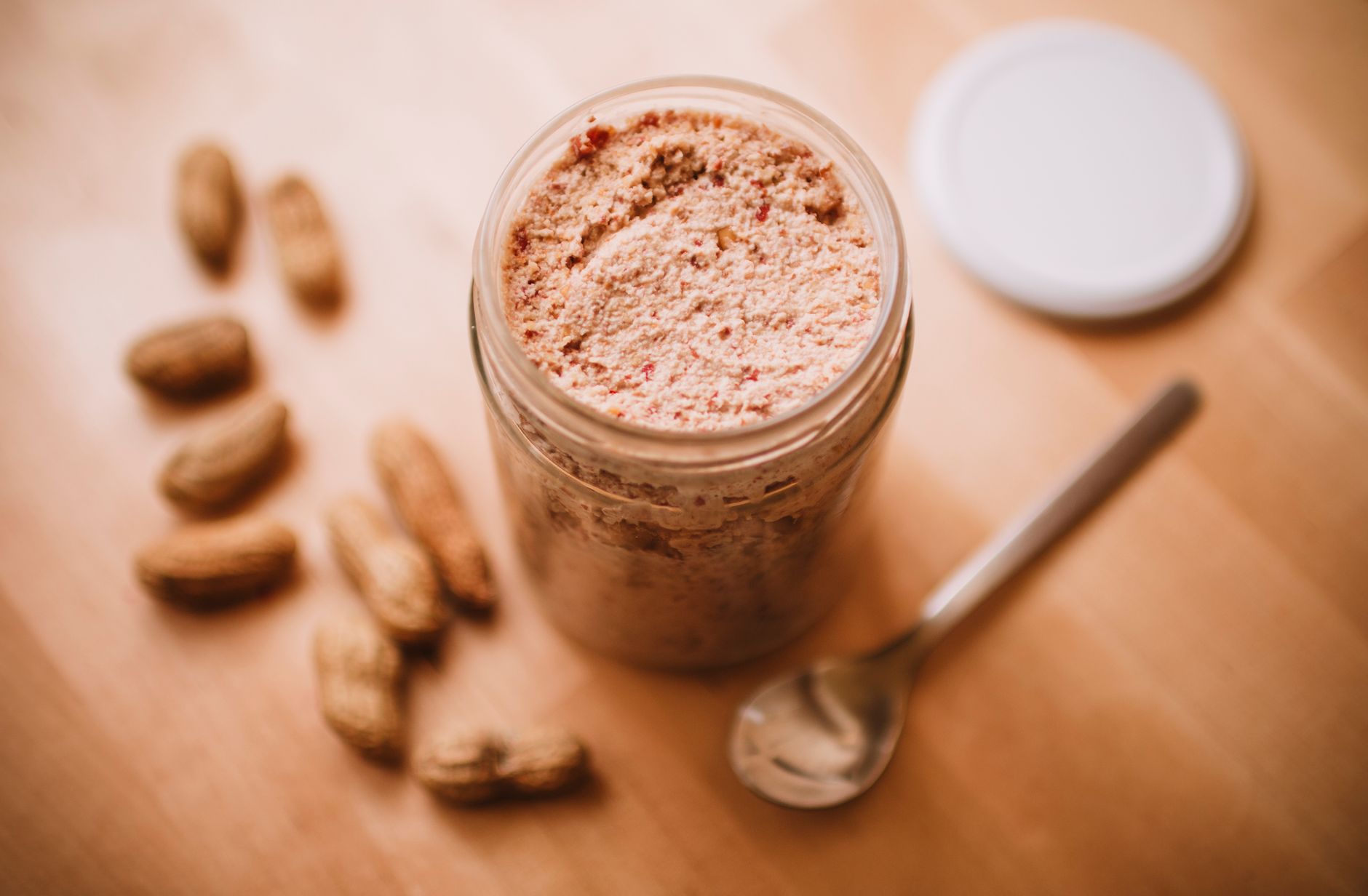
Peanut butter is a beloved spread enjoyed by many, whether in sandwiches, smoothies, or straight from the jar. But a common question arises: do you have to refrigerate peanut butter? The answer can vary depending on the type of peanut butter and personal preference.
This article explores the storage options for peanut butter, including whether refrigeration is necessary, how long it lasts, the effects of temperature, and effective storage methods. Understanding these can help you enjoy this delicious ingredient safely and effectively.
Do You Have to Refrigerate Peanut Butter?
No, refrigeration is not necessary for most commercially processed peanut butters as they contain stabilizers and preservatives that help maintain freshness at room temperature. However, natural peanut butter, which consists of just peanuts and possibly salt, may benefit from refrigeration to extend its shelf life.
Types of Peanut Butter
The type of peanut butter you choose will influence whether you should refrigerate it or not. There are primarily two categories: processed peanut butter and natural peanut butter. Understanding the differences will help you make informed storage decisions.
Processed Peanut Butter
Processed peanut butter usually contains added sugar, oils, and stabilizers, enabling it to have a longer shelf life. Brands like Jif and Skippy fall into this category. These additives help prevent the oil from separating and keep the peanut butter smooth and spreadable even when stored at room temperature. Here are some key points:
- Long shelf life: Processed peanut butter can last for several months or even up to a year when properly stored.
- Room temperature storage: It can be stored in a pantry or cupboard, away from direct sunlight and heat sources.
- No need for refrigeration: Refrigeration can make it difficult to spread due to increased firmness.
Natural Peanut Butter
Natural peanut butter is made from roasted peanuts and may contain added salt, but it does not have preservatives or stabilizers. This means the oil can separate, causing a layer of oil to form on top. Here’s how to handle natural peanut butter:
- Shorter shelf life: Without preservatives, it typically lasts only a few months, particularly after opening.
- Refrigeration recommended: To extend its freshness and prevent spoilage, store it in the refrigerator once opened.
- Oil separation: If you see oil on top, you can mix it back in. Refrigerating it may prevent further separation.
Storage Tips for Peanut Butter
To maximize the freshness and flavor of your peanut butter, consider these storage tips based on its type:
For Processed Peanut Butter:
- Keep it closed: Always seal the jar tightly after each use to keep out moisture and contaminants.
- Store away from heat: Keep it in a cool, dry place, avoiding storage near stoves or ovens.
- Avoid extreme temperatures: Fluctuating temperatures can lead to changes in texture and flavor.
For Natural Peanut Butter:
- Refrigerate after opening: Store the jar in the refrigerator to help preserve its taste and texture.
- Allow it to soften: Before using refrigerated natural peanut butter, let it sit at room temperature for about 15-20 minutes for easier spreading.
- Use clean utensils: Always use a clean knife or spoon to avoid introducing bacteria into the jar.
Signs of Spoilage
Regardless of type, it’s essential to recognize the signs of spoilage in peanut butter:
- Unusual odor: If the peanut butter smells off or rancid, it’s best to discard it.
- Changes in texture: Unpleasant graininess or excessive oil separation (in processed varieties) are red flags.
- Discoloration: Any noticeable color change, particularly with natural peanut butter, is a sign it may be past its prime.
- Mold: Any signs of mold growth indicate serious spoilage and should lead to disposal.
How Long Does Peanut Butter Last?
The shelf life of peanut butter depends on its type and how it is stored. Below are guidelines for both processed and natural peanut butter:
Processed Peanut Butter
- Unopened: 6-12 months past the best-by date.
- Opened: Up to 3-6 months at room temperature; about 6-12 months if refrigerated.
Natural Peanut Butter
- Unopened: 6 months to 1 year depending on the best-by date.
- Opened: 1 month at room temperature; up to 6-9 months in the refrigerator.
Using Peanut Butter in Recipes
Peanut butter isn’t just for spreading on bread; it can be an excellent ingredient in various recipes. Here are some popular ways to incorporate peanut butter into meals or snacks:
Peanut Butter Cookies
Peanut butter is a primary ingredient in many cookie recipes, providing flavor and a creamy texture. With just a few ingredients, you can whip up a batch quickly. Consider mixing it with flour, sugar, and an egg for a simple recipe.
Peanut Sauce
This can be a delicious addition to stir-fried dishes or as a dip for spring rolls. Mixing peanut butter with soy sauce, garlic, and a touch of lime juice can create a tangy, flavorful sauce.
Smoothies
Peanut butter can enhance the creaminess of a smoothie while adding protein. Blend it with bananas, yogurt, or protein powder for a nutritious drink.
Energy Bites
Combine peanut butter with oats, honey, and chocolate chips, form into small balls, and have an easy-to-make snack. These bites can be refrigerated or frozen for convenient energy on the go.
Common Mistakes to Avoid with Peanut Butter
Using peanut butter might seem simple, but there are common pitfalls to watch out for:
Not Mixing Natural Peanut Butter
Many people forget to mix natural peanut butter before using it. Always stir it well to incorporate the oil back into the peanut butter for a consistent flavor and texture.
Storing Near Heat Sources
Keeping peanut butter near stoves or ovens can spoil it faster. Always store it in a cool, dry location.
Using Dirty Utensils
Using a dirty knife or spoon can introduce bacteria into the jar, leading to spoilage. Always use clean tools when serving.
Can You Freeze Peanut Butter?
Yes, you can freeze peanut butter if you want to prolong its shelf life, especially for natural varieties. Freezing can change the texture slightly, making it a bit grainy when thawed. Here’s how to properly freeze peanut butter:
- Portion it out: Consider dividing peanut butter into smaller portions (such as ice cube trays) to make thawing easier.
- Use airtight containers: Ensure the containers are well sealed to prevent freezer burn.
- Thawing: When ready to use, transfer it to the refrigerator to thaw and then stir before using.
FAQs About Peanut Butter Storage
If you still have lingering questions about peanut butter storage, these frequently asked questions may help:
Can I refrigerate processed peanut butter?
While you can refrigerate processed peanut butter, it’s not necessary and may change the texture, making it harder to spread.
How can I tell if my peanut butter is bad?
Look for odd smells, changes in texture, discoloration, or any signs of mold. If you notice any of these, it’s best to discard the jar.
Is there a risk of salmonella in peanut butter?
While rare, there have been instances of salmonella contamination in peanut butter. Always check for recalls and ensure proper storage practices to minimize risks.
Tips for Enjoying Peanut Butter
To enhance your experience with peanut butter, consider these simple tips:
- Try different varieties: Explore crunchy, creamy, flavored, or even nut butter blends for a change of pace.
- Pair it with fruits: Apples, bananas, and celery are delightful accompaniments to peanut butter.
- Incorporate it into baked goods: Use peanut butter in muffins, pancakes, or brownies for nutty flavor.
Understanding how to store peanut butter properly will enhance your enjoyment of this versatile ingredient. Whether you opt for the processed version or go natural, knowing how long it lasts and the best ways to store it ensures you always have some on hand for your favorite recipes and snacks.
Explore more intriguing food topics such as whether ghee needs to be refrigerated or the appropriate storage for Cholula hot sauce to expand your kitchen knowledge.