
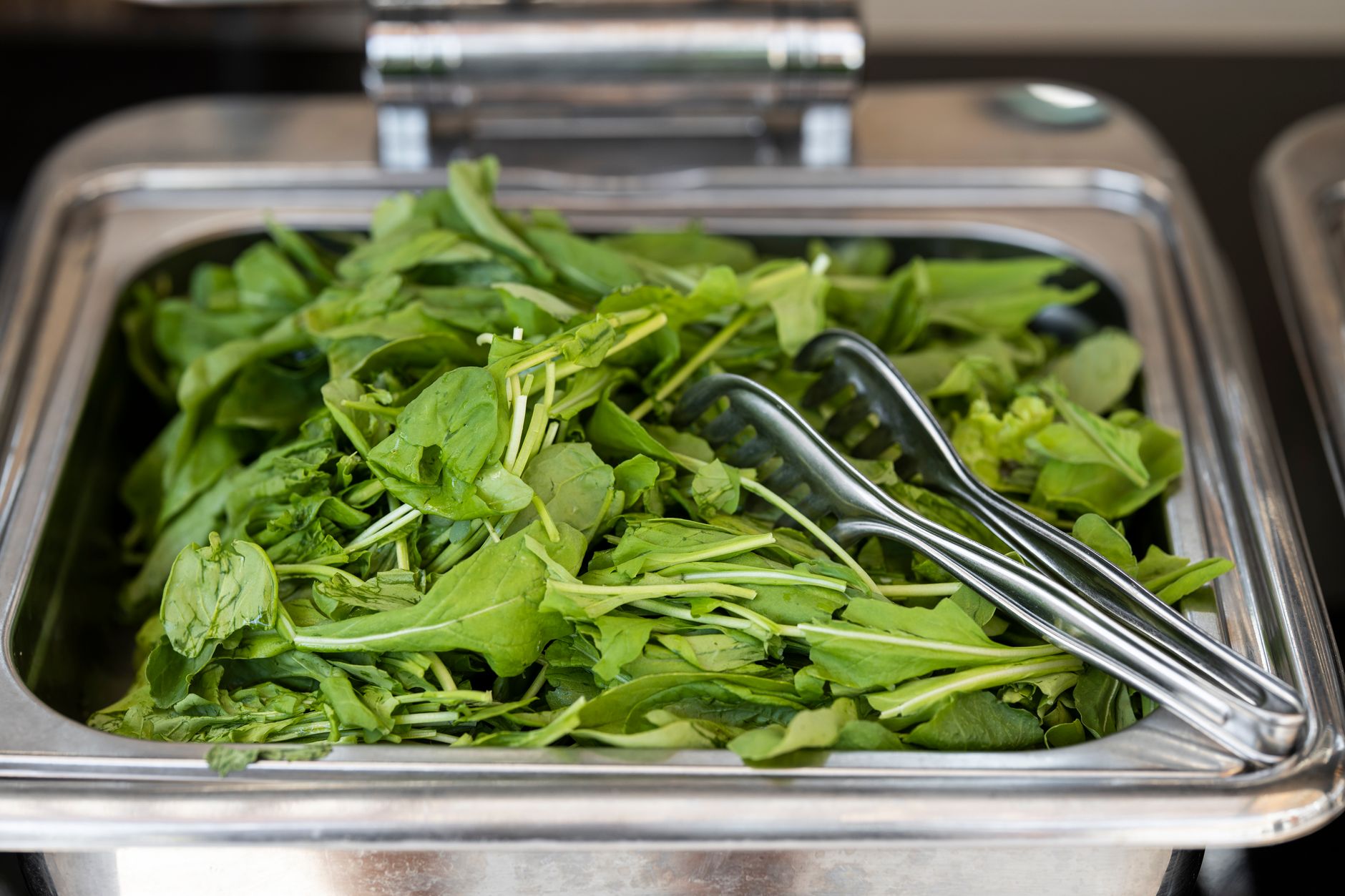
Arugula, known for its distinctive peppery flavor, is a versatile green that can elevate many dishes. Whether you’re looking to add it to salads, incorporate it into pasta dishes, or even use it as a pizza topping, there’s plenty you can do with this leafy vegetable. Understanding how to store, cook, and effectively use arugula can enhance your culinary repertoire.
This article delves into various ways to enjoy arugula, including recipes, cooking techniques, and storage tips. With this knowledge, you’ll surely find new ways to incorporate this delicious green into your meals.
What to Do with Arugula?
Arugula can be used in a wide range of dishes, including salads, pesto, sandwiches, and more. Its peppery bite complements both rich and fresh flavors, making it a fantastic addition to various cuisines.
Flavor Profile and Culinary Uses
Arugula, or Eruca vesicaria, is part of the cruciferous family, which also includes kale and broccoli. Its flavor is often described as peppery, tangy, and slightly nutty, making it distinct from milder greens like spinach or romaine. This unique taste enables arugula to enhance salads, soups, pizzas, and pasta dishes.
Here are several culinary uses for arugula:
- Salads: Combine arugula with other greens, fruits, nuts, and cheese for a refreshing salad.
- Pesto: Use arugula instead of basil for a spicy twist on traditional pesto.
- Sandwiches and Wraps: Add raw arugula to sandwiches for crunch and flavor.
- Pasta: Toss arugula into hot pasta dishes at the end of cooking for a wilted effect, enhancing the dish’s flavor.
- Pizza: Top pizzas with fresh arugula right before serving.
Storage Tips for Arugula
Fresh arugula is harvested before it becomes too mature, which helps maintain its tenderness and flavor. Proper storage is essential for keeping arugula fresh.
How to Store Arugula
-
Place unwashed arugula in a plastic bag or a container with a lid, ensuring it can breathe. Avoid tightly sealing it.
-
Keep the arugula in the refrigerator’s crisper drawer, ideally at 32°F to 34°F (0°C to 1°C), for optimal freshness.
-
Use freshly washed arugula within 3 to 7 days for best flavor and texture. Keep it dry to prevent wilting.
Freezing Arugula
If you have excess arugula, consider freezing it. However, note that freezing will alter its texture, making it best for cooking rather than salads. Here’s how to do it:
-
Wash the arugula thoroughly and remove any tough stems.
-
Blanch the leaves in boiling water for about 1 minute, then transfer them immediately to an ice bath.
-
Drain and pat dry the leaves, then pack them into airtight freezer bags, removing as much air as possible before sealing.
Delicious Arugula Recipes
1. Arugula Salad with Lemon Vinaigrette
This salad is bright and full of flavors that enhance the natural spiciness of arugula. Perfect as a side dish or a light main course.
Yield: 4 servings
Preparation Time: 10 minutes
Total Time: 10 minutes
Ingredients:
- 6 cups fresh arugula, rinsed and dried
- 1 cup cherry tomatoes, halved
- 1/2 cup sliced cucumber
- 1/4 cup red onion, thinly sliced
- 1/4 cup feta cheese, crumbled (optional)
For the Lemon Vinaigrette:
- 1/4 cup olive oil
- 2 tablespoons fresh lemon juice
- 1 teaspoon Dijon mustard
- 1 teaspoon honey (optional)
- Salt and pepper to taste
Instructions:
- In a small bowl, whisk together the olive oil, lemon juice, Dijon mustard, honey, salt, and pepper to make the vinaigrette.
- In a large bowl, combine the arugula, cherry tomatoes, cucumber, and red onion.
- Drizzle the vinaigrette over the salad and toss gently to combine.
- Top with crumbled feta cheese if desired. Serve immediately.
2. Arugula Pesto
This unique pesto variation offers a fresh, peppery kick that can be used in many dishes, from pasta to sandwiches and even as a dip.
Yield: 1 cup
Preparation Time: 10 minutes
Total Time: 10 minutes
Ingredients:
- 2 cups fresh arugula, rinsed and dried
- 1/2 cup grated Parmesan cheese
- 1/2 cup nuts (pine nuts, walnuts, or almonds work well)
- 1/2 cup olive oil
- 2 cloves garlic, minced
- Salt and pepper to taste
Instructions:
- In a food processor, blend the arugula, Parmesan cheese, nuts, garlic, salt, and pepper until finely chopped.
- With the processor running, gradually pour in the olive oil until the mixture is smooth.
- Adjust seasoning if necessary. Use immediately or store in an airtight container in the refrigerator for up to one week.
3. Arugula and Goat Cheese Stuffed Chicken
This dish combines the richness of chicken breast with the peppery notes of arugula and tangy goat cheese—a delightful main course for any dinner.
Yield: 4 servings
Preparation Time: 15 minutes
Cooking Time: 25 minutes
Total Time: 40 minutes
Ingredients:
- 4 boneless chicken breasts
- 2 cups fresh arugula
- 1/2 cup goat cheese, crumbled
- 1 tablespoon olive oil
- Salt and pepper to taste
- 1 teaspoon dried Italian herbs (optional)
Instructions:
- Preheat the oven to 375°F (190°C).
- In a mixing bowl, combine arugula, goat cheese, salt, pepper, and dried herbs.
- Using a sharp knife, create a pocket in each chicken breast by slicing it horizontally.
- Stuff each chicken breast with the arugula mixture, securing with toothpicks if necessary.
- In a skillet, heat olive oil over medium-high heat. Sear the chicken breasts for 3–4 minutes on each side until browned.
- Transfer the chicken to a baking dish and bake for 20 minutes or until cooked through (internal temperature should reach 165°F or 75°C).
- Remove from oven, let rest for a few minutes, then slice and serve.
4. Pasta with Arugula and Cherry Tomatoes
This simple pasta dish showcases arugula beautifully, adding flavor and nutrition to a classic recipe.
Yield: 4 servings
Preparation Time: 10 minutes
Cooking Time: 15 minutes
Total Time: 25 minutes
Ingredients:
- 8 ounces pasta (spaghetti, penne, or your choice)
- 2 cups cherry tomatoes, halved
- 2 cups fresh arugula, rinsed and dried
- 1/4 cup olive oil
- 2 cloves garlic, minced
- Salt and pepper to taste
- Grated Parmesan cheese for serving (optional)
Instructions:
- Cook pasta according to package instructions until al dente. Drain and set aside.
- In a large skillet, heat olive oil over medium heat. Add garlic and cook until fragrant, about 1 minute.
- Add halved cherry tomatoes and cook for 5–7 minutes until softened. Season with salt and pepper.
- Toss cooked pasta into the skillet and add arugula, stirring until wilted.
- Serve with grated Parmesan if desired.
5. Arugula and Pear Flatbread
This flatbread is a delightful starter or light meal showcasing the sweet and savory combination of pears and arugula.
Yield: 4 servings
Preparation Time: 10 minutes
Cooking Time: 15 minutes
Total Time: 25 minutes
Ingredients:
- 1 prepared flatbread or naan
- 1 cup fresh arugula
- 1 ripe pear, thinly sliced
- 1/2 cup mozzarella cheese, shredded
- 1/4 cup balsamic glaze
Instructions:
- Preheat oven to 400°F (200°C).
- Place the flatbread on a baking sheet. Top with mozzarella cheese, evenly distributing the pear slices and arugula.
- Bake in the oven for 10–15 minutes, or until the cheese is melted and bubbly.
- Drizzle balsamic glaze over flatbread before slicing. Serve warm.
Cooking Techniques to Enhance Arugula Dishes
Cooking arugula can change its texture and flavor dramatically. Understanding various techniques can help you find the best use for this green.
Wilting Arugula
Wilting arugula can enhance its flavor and make it more tender. This is often done in hot dishes like pasta, soups, or sautéed vegetables.
- Add the arugula to the pan during the last minute of cooking.
- Stir gently until wilted; this typically takes about 1–2 minutes.
- It will retain its vibrant color and nutrients while adding richness to the dish.
Raw Uses
Raw arugula can add a peppery bite when used in salads, sandwiches, or as a topping. Its texture also lends a crispness to dishes.
- Pair raw arugula with sweeter ingredients, like fruits and honey, to balance its spice.
- Combine with cheese, nuts, or grains for a heartier salad.
Grilling or Roasting
Grilling or roasting arugula can give it a unique flavor. Here’s how:
- Brush arugula lightly with olive oil and season with salt.
- Grill or roast just until the leaves are slightly wilted (about 2–4 minutes).
- Use this method as a side dish or as a topping for grains or protein.
Common Mistakes and Troubleshooting
While cooking with arugula, some common mistakes can affect your dishes. Here are tips to avoid them:
- Overcooking: Arugula wilts quickly; overcooking can lead to a mushy texture. Add it at the end of cooking.
- Improper storage: Store arugula properly to prevent wilting or spoilage. Keep it dry and in a breathable container.
- Balancing flavors: Pair arugula with other ingredients that complement its peppery flavor, like sweet fruits or creamy cheeses.
Practical Substitutions for Arugula
If you’re in need of a substitute for arugula, consider these alternatives, which can mimic its peppery flavor or provide similar textures:
- Spinach: Milder flavor, best for salads and cooking; use the same amount.
- Kale: Has more texture and a stronger flavor, good for hearty dishes; use slightly less.
- Mustard greens: Similar spiciness, best in cooked dishes; use the same amount.
- Watercress: Adds a peppery flavor similar to arugula; use the same amount.
Conclusion
Arugula is a delightful green that adds flavor, nutrition, and a touch of sophistication to various dishes. From fresh salads and vibrant pestos to comforting pastas, this peppery green is highly versatile and easy to incorporate into many recipes. Try the dishes above or use the cooking techniques to explore its full potential.
For your next culinary adventure, consider making pistachio pesto or a refreshing ramen salad, showcasing arugula’s unique flavors and versatility. Discover how this simple green can transform your meals into extraordinary experiences.