
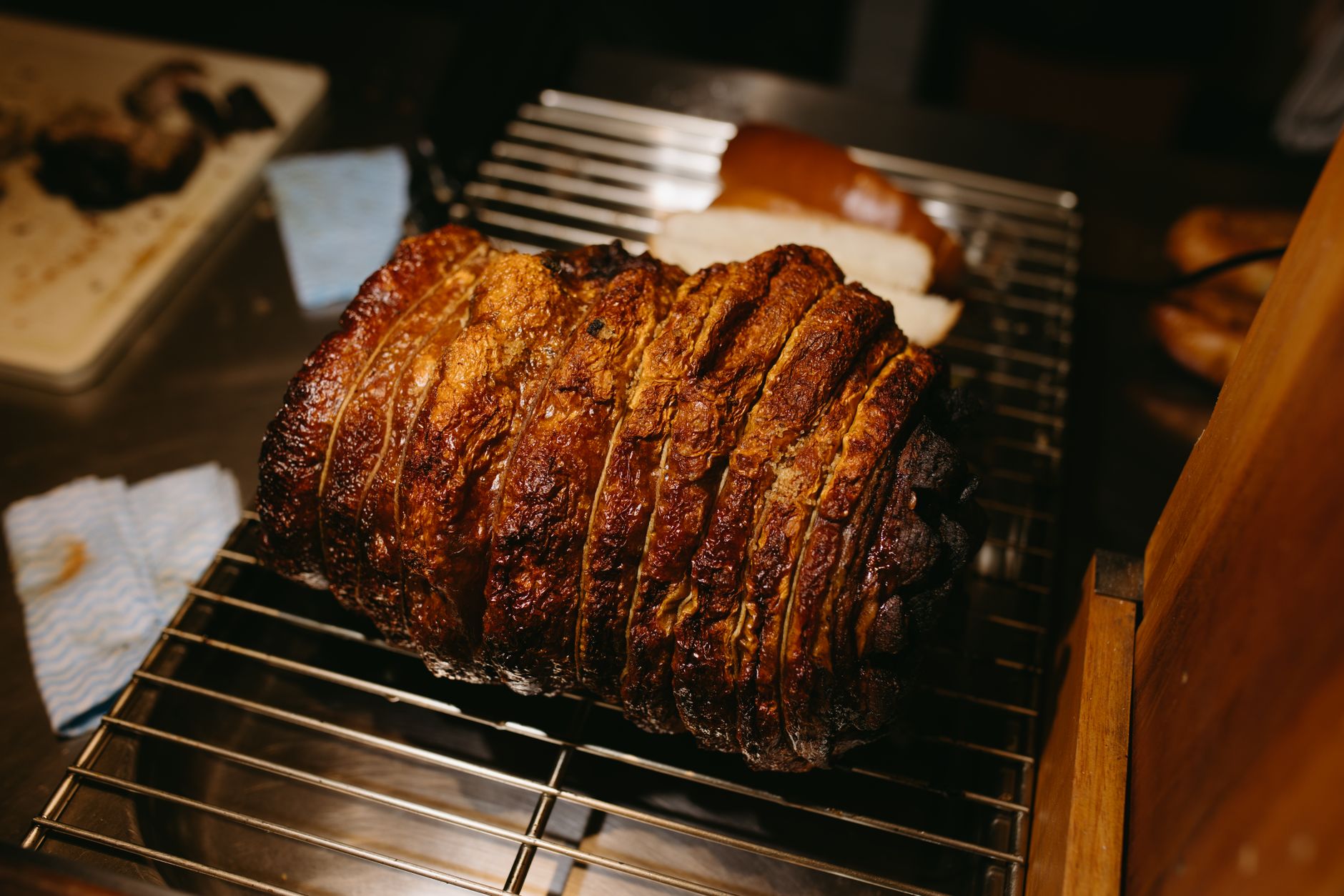
Pork is a versatile meat enjoyed in various dishes around the world. However, cooking pork to the right temperature is crucial for food safety, texture, and flavor. Knowing the correct temperature ensures that pork is tender and juicy, while also preventing the risk of foodborne illnesses.
This article will guide you through the recommended cooking temperatures for various cuts of pork, tips for measuring doneness, and practical cooking methods. Whether you are roasting a pork loin or grilling a rack of ribs, you’ll find everything you need to know right here.
What Temperature to Cook Pork to?
The recommended safe cooking temperature for pork is 145°F (63°C), followed by a three-minute rest. At this temperature, pork can be juicy and slightly pink, which is perfectly safe to eat. Different cuts may require various cooking methods, and understanding these nuances can elevate your culinary experience.
Understanding Pork Cuts and Their Ideal Temperatures
Pork comes in several cuts, each requiring distinct temperatures and cooking methods to maximize flavor and tenderness. Here’s a breakdown of the most common pork cuts and their ideal temperatures:
Pork Shoulder (Boston Butt)
- Ideal Temperature: 190°F (88°C) to 205°F (96°C)
- Cooking Method: Low and slow, often braised or smoked.
Pork shoulder is best cooked at a low temperature for an extended period, allowing the tough connective tissue to break down. This method yields tender, flavorful meat that shreds easily.
Pork Loin
- Ideal Temperature: 145°F (63°C)
- Cooking Method: Roasting, grilling, or baking.
Pork loin is lean and benefits from not being overcooked. Make sure to rest it for at least 3 minutes after removing it from the heat for optimal juiciness.
Pork Chops
- Ideal Temperature: 145°F (63°C)
- Cooking Method: Grilling, frying, or broiling.
Pork chops can easily dry out if overcooked. Keeping an eye on the temperature will help ensure they remain juicy and flavorful.
Pork Tenderloin
- Ideal Temperature: 145°F (63°C)
- Cooking Method: Searing followed by roasting or grilling.
Pork tenderloin is another lean cut that does well with high heat cooking techniques. Its tenderness makes it a favorite for quick meals.
Pork Ribs
- Ideal Temperature: 190°F (88°C) to 203°F (95°C)
- Cooking Method: Low and slow, typically barbecued or smoked.
To achieve tender pork ribs, cooking them at low temperatures for several hours is key. The meat should be tender enough to pull away from the bone easily.
Ground Pork
- Ideal Temperature: 160°F (71°C)
- Cooking Method: Sautéing, grilling, or frying.
Always ensure ground pork reaches a minimum internal temperature of 160°F to eliminate potential bacteria.
Why Is Cooking Temperature Important?
Cooking meat to the recommended internal temperature not only guarantees safety but also enhances flavor and texture. Under-cooked pork can harbor harmful bacteria, including Trichinella spiralis, which causes trichinosis, a foodborne illness. On the other hand, overcooking results in dry, tough meat that can ruin the dining experience.
How to Measure Pork Temperature Accurately
Using a food thermometer is the most accurate way to ensure your pork reaches the appropriate temperature. Here’s how to use it correctly:
Types of Food Thermometers
- Instant-Read Thermometers: Provide quick temperature readings and are perfect for checking thick cuts of meat.
- Probe Thermometers: Can be left in the meat while cooking, providing a continuous readout.
- Infrared Thermometers: Measure surface temperature but do not provide accurate readings for internal temperature.
Using a Food Thermometer
- Insert the thermometer into the thickest part of the meat, avoiding bone and fat.
- Wait for the temperature reading to stabilize.
- For thick cuts, consider checking multiple points to ensure even cooking.
Common Cooking Methods for Pork
Different cooking methods can complement pork’s flavor profile and texture. Here are some popular techniques:
Roasting
Roasting is perfect for larger cuts like pork loin and shoulder. Preheat the oven, season the meat, and cook until the desired temperature is reached. It’s best to use a roasting pan for even heat distribution.
Grilling
Grilling adds a delightful smoky flavor to pork chops and ribs. It’s essential to preheat the grill and oil the grates to prevent sticking. Monitor the internal temperature closely to prevent overcooking.
Slow Cooking
Slow cooking methods create tender, fall-apart pork, especially for cuts like shoulder and ribs. Use a slow cooker or braise on the stovetop. Cooking over low heat for several hours can transform tough cuts into melt-in-your-mouth delights.
Searing and Baking
The combination of searing and baking is excellent for pork tenderloin, where a high initial heat forms a crust, followed by gentle cooking to retain moisture. Be sure to rest the meat after cooking.
Helpful Tips for Cooking Pork
- Resting Time: Always allow pork to rest for at least three minutes after cooking. This step allows juices to redistribute and enhances flavor.
- Marinades and Seasonings: Enhance flavor using marinades or dry rubs. Aim for balanced flavors that won’t overpower the natural taste of the pork.
- Brining: Brining pork can add moisture and prevent dryness. Consider a simple brine with salt and sugar before cooking.
- Don’t Guess: Relying on color alone can be misleading. Always use a thermometer to confirm doneness.
Pork Cooking Mistakes to Avoid
Even seasoned cooks can make mistakes. Here are some common pitfalls to avoid when cooking pork:
Overcooking
Overcooking can lead to dry, tough meat. Aim for the recommended temperatures and use a thermometer to ensure accuracy.
Underestimating Carryover Cooking
Meat continues to cook after being removed from heat. Anticipate this carryover when determining when to take pork off the grill or out of the oven.
Neglecting Resting Time
Cutting into meat too soon may cause juices to escape. Allow it to rest to improve flavor and tenderness.
Ignoring Cleanup
Properly clean tools and surfaces after handling raw pork to prevent cross-contamination. Use hot, soapy water and sanitize as needed.
Storing Cooked Pork
Storing any leftovers properly ensures they remain safe to eat later. Here’s how to do it:
Refrigeration
After cooling, store cooked pork in an airtight container in the refrigerator. It can last for up to three to four days.
Freezing
Cooked pork freezes well. Wrap it tightly in plastic wrap, followed by aluminum foil or a plastic freezer bag. Properly stored, it can last up to three months in the freezer.
Reheating
Reheat cooked pork gently to avoid drying it out. Use a microwave, stovetop, or oven, adding a splash of liquid to help maintain moisture.
Conclusion
Cooking pork to the right temperature is essential for both safety and flavor. Understanding the ideal temperatures and appropriate cooking methods can make all the difference in your dishes. Whether you’re preparing a simple pork chop or a celebratory roast, a kitchen thermometer will be your best friend.
Now that you’re equipped with the knowledge of cooking pork properly, take the next step and explore delicious pork recipes like how long to bake boneless pork chops or try the flavorful Pork Chop Supreme recipe for your next meal.