
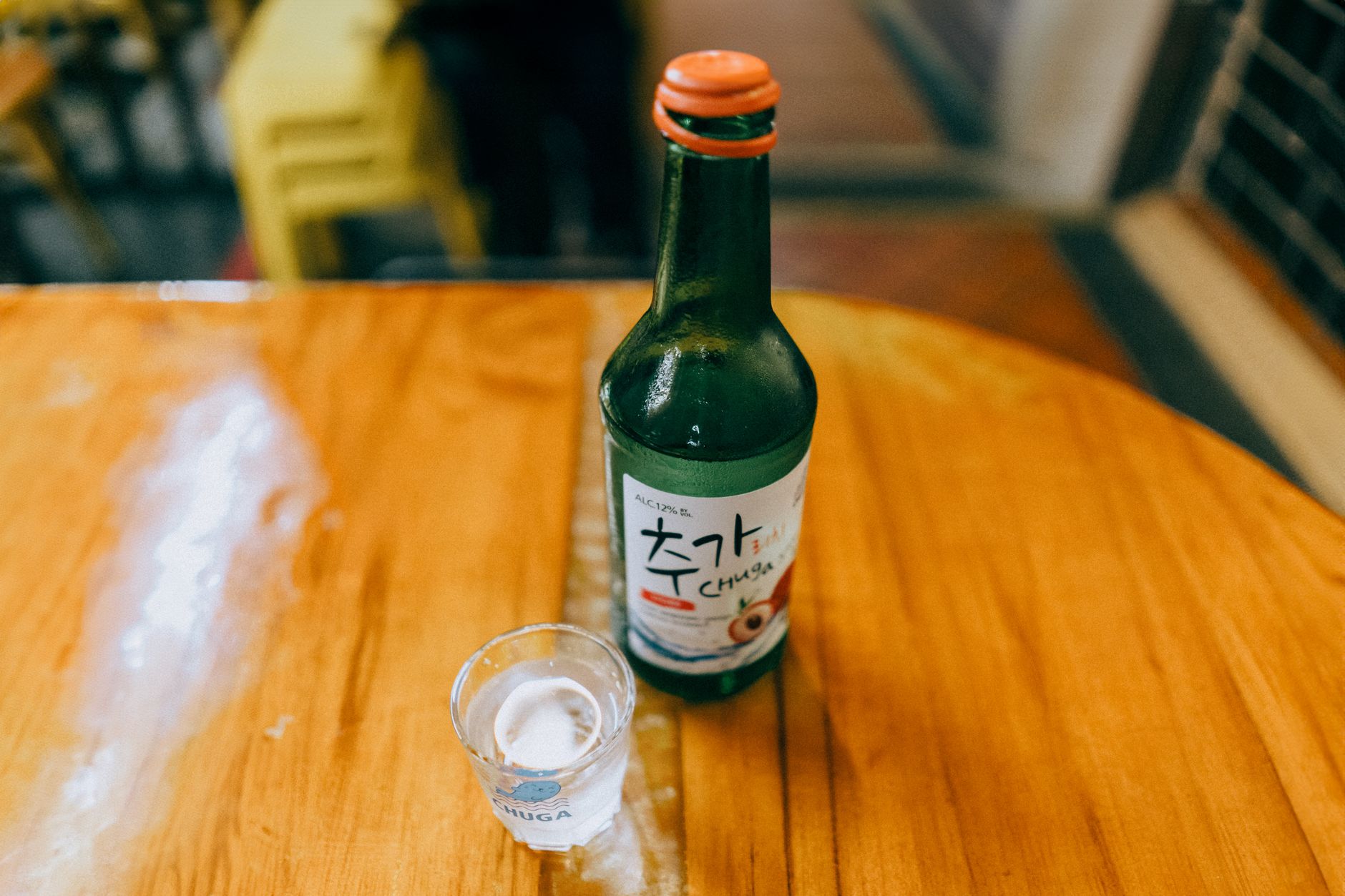
Soju is a traditional Korean distilled spirit that has gained popularity worldwide for its smooth taste and versatility. Distilled primarily from grains or sweet potatoes, soju has a light flavor profile, making it a favorite choice for blending in cocktails or enjoying straight. Understanding what soju is made of not only enhances your appreciation for this unique spirit but also opens up culinary possibilities that incorporate it into various dishes.
This article will explore the ingredients that go into making soju, its distinct flavor characteristics, and innovative ways to use soju in your kitchen.
What Is Soju Made Of?
Soju is primarily made from two main ingredients: starch sources and water. The most common starch sources include grains such as rice, barley, and wheat, as well as starchy vegetables like sweet potatoes and tapioca. This combination of ingredients contributes to soju’s unique flavor and relatively low alcohol content, typically around 16-25% ABV.
Starch Sources
The starches used in soju production are crucial for fermentation, which is the process that converts sugars from these sources into alcohol. In traditional soju making, the following starch sources are most commonly used:
- Rice: The most traditional ingredient, contributing a clean and subtle flavor. Soju made from rice is often sweeter and more aromatic.
- Barley: Provides a more earthy flavor, giving soju a unique complexity.
- Wheat: Adds a smooth, creamy texture and subtle sweetness.
- Sweet Potatoes: Known for producing a distinctive flavor profile that is slightly sweeter and richer.
- Tapioca: Used in some modern soju types, contributes a neutral flavor and creamy mouthfeel.
Water
Water is another critical ingredient in the production of soju. The quality of the water used can significantly impact the final product. Generally, high-purity water is preferred as it allows the natural flavors of the starch sources to shine through. In many cases, the water is sourced from pristine springs to ensure the best taste.
Other Ingredients
In addition to starches and water, some soju varieties may include additional ingredients to enhance flavor or create specific profiles. Here are a few:
- Flavorings: Some brands infuse their soju with fruits, herbs, and spices to create flavored varieties. Common infusions include peach, grapefruit, and melon.
- Sugars: Some producers add sugars or sweeteners to create a smoother finish and mask the alcohol’s bite.
- Yeast: Essential for fermentation, yeast converts sugars into alcohol and carbon dioxide during the brewing process. The type of yeast can influence the flavor and aroma of the final product.
How Soju is Made
The process of making soju combines traditional and modern techniques that focus on maximizing flavor while ensuring a high-quality beverage. Here’s an overview of the production process:
- Preparation of Ingredients: The starch source is first cleaned and prepared. For grains, this typically involves steaming or cooking to gelatinize the starch, whereas sweet potatoes are washed and boiled.
- Fermentation: After preparation, the ingredients are mixed with water and yeast to kickstart fermentation. This typically lasts about a week, during which the sugars are converted to alcohol.
- Distillation: The fermented mixture, known as “mash,” undergoes distillation to separate the alcohol from the other components. This is usually done using a pot still or column still, and the process can be repeated to increase purity and alcohol content.
- Dilution: The distilled soju is often too strong initially, so it is diluted with water to reach the desired alcohol content.
- Filtering and Bottling: The final product may be filtered to remove impurities and then bottled for sale, either straight or flavored.
Flavor Profile of Soju
The flavor of soju can vary significantly based on the ingredients used, the distillation process, and any flavoring agents added. Here’s a breakdown of the common flavors you can expect:
Traditional Soju
Traditional soju, particularly that made from rice, tends to have a clean, smooth, and slightly sweet flavor. It is often described as having rice notes, akin to sake but without the robust body. Soju made from barley or wheat provides more earthy and nutty flavors.
Flavored Soju
Flavored soju has become increasingly popular and can feature a range of fruit infusions. Common flavors include:
- Peach: Offers a sweet, fruity style that’s refreshing and light.
- Blueberry: Provides a tart and vibrant flavor, often leaning towards sweetness.
- Mango: Gives a tropical fruit flavor that’s typically sweeter than traditional soju.
- Cucumber: Known for its refreshing quality, often enjoyed cold.
Texture
Soju generally has a light to medium body with a smooth mouthfeel, which contributes to its easy-drinking nature. Its low viscosity allows it to blend well with mixers in cocktails.
Kitchen Uses for Soju
Soju’s unique flavor and versatility make it an interesting ingredient to use in the kitchen. Here are some creative ways to incorporate soju into your cooking:
Marinades
Soju can act as an excellent base for marinades, imparting flavor and helping to tenderize meats. Use it to marinate chicken, beef, or seafood alongside ingredients like soy sauce, garlic, and ginger.
Cooking Liquor
Incorporate soju into stir-fries or show it off in soups. A splash can elevate the dish’s flavor and add depth. It’s particularly great when combined with sesame oil and vegetables.
Deglazing
After sautéing proteins or vegetables, use soju to deglaze the pan. This technique can help lift the browned bits from the pan, enhancing the sauce’s flavor profile.
Infusions and Desserts
Use soju to infuse fruits or create syrups for cocktails or desserts. For example, infuse strawberries in soju to create a refreshing topping for pancakes or ice cream. Additionally, using soju in desserts like jellies or sorbets can add a pleasant flavor while keeping a lower alcohol content.
Craft Cocktails
Soju serves as an excellent base spirit in cocktails. Inspired by various drink styles, you can combine soju with fruit juices, mixers, or even other spirits. Here are a few ideas:
- Soju Sour: Mix soju with fresh lemon juice and simple syrup for a refreshing and tangy drink.
- Soju Mojito: Replace rum with soju in a classic mojito recipe for a delightful twist.
- Soju and Soda: Combine soju with club soda or tonic for a simple, light beverage.
Storage and Shelf Life
Soju is best stored in a cool, dark place, such as a pantry or liquor cabinet. Unlike other spirits, it does not require refrigeration; however, serving it cold is preferred for enhanced taste. An opened bottle of soju can last for years, but it’s advisable to consume it within a year for optimal flavor.
Common Mistakes to Avoid
When cooking with soju or enjoying it straight, there are a few common pitfalls to be mindful of:
- Overcooking: When using soju in dishes that require cooking, be careful not to cook it off completely, as this can strip away its flavor.
- Improper Pairings: Be cautious with the mixers used in cocktails; sugary sodas can overpower soju’s delicate flavors.
- Ignoring Temperature: Soju is best served chilled, particularly flavored varieties, to make them more enjoyable.
Soju Varieties
In recent years, the market has seen an increase in soju varieties available. Here are a few categories to consider:
Traditional Soju
These maintain the classic production techniques and focus on authentic flavors derived from traditional starch sources like rice or barley.
Flavored Soju
These modern varieties boast fruity or herbal flavors, catering to a broader audience. Popular options often emphasize sweetness and refreshing profiles.
Craft Soju
This category consists of smaller-batch producers aiming for unique flavor expressions and higher quality. They may explore unconventional ingredients or methods.
Conclusion
Understanding what soju is made of expands your appreciation for this versatile spirit and opens up exciting culinary doors. Its blend of ingredients leads to a wide range of flavors, aromas, and uses in cooking and cocktails. Whether you are enjoying soju straight or experimenting with it in your kitchen, the possibilities are limited only by your creativity.
For more inspiration, consider exploring recipes or guides such as our other flavor-enhancing cooking tips or creative cocktail recipes.